South African SARB Expected to Hold Rates Today
The South African Reserve Bank (SARB) Monetary Policy Committee (MPC) meets tomorrow, Thursday 26 March 2026, to decide on the repo rate. The current repo rate stands at 6.75% (prime lending rate 10.25%). Consensus among economists and markets is that the SARB will hold rates unchanged at this level, despite February 2026 headline CPI inflation
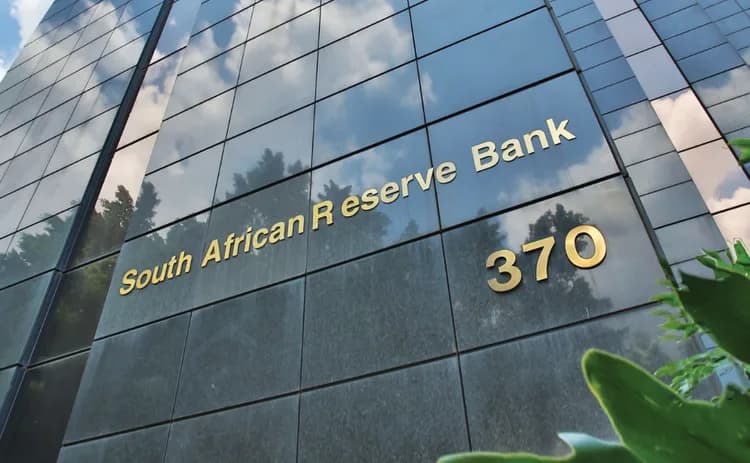
SARB wants to establish a domestic card scheme for South Africa
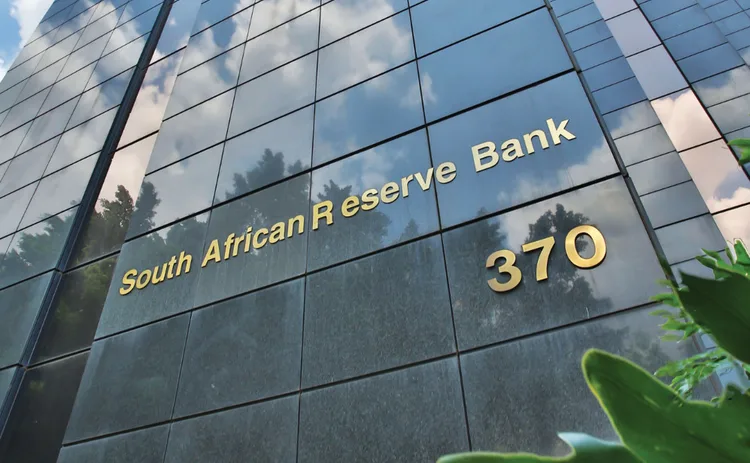
The South African Reserve Bank (SARB) Monetary Policy Committee (MPC) meets tomorrow, Thursday 26 March 2026, to decide on the repo rate. The current repo rate stands at 6.75% (prime lending rate 10.25%). Consensus among economists and markets is that the SARB will hold rates unchanged at this level, despite February 2026 headline CPI inflation falling to exactly 3.0% — the new 3% target midpoint (with a ±1% tolerance band) for the first time this year.
This cautious stance reflects upside risks from the Iran conflict and oil prices spiking above $100/barrel, which could push inflation higher in coming months.
Repo Rate Trend (Last 2 Years) vs Inflation
The SARB began an easing cycle in late 2024 after inflation peaked in 2022–2023. Here is the key decision timeline alongside headline CPI (year-on-year):
Key trend summary:
- The repo rate has fallen 150 basis points from its 2024 peak (8.25% → 6.75%).
- Inflation has declined steadily from over 5% in early 2024 to the 3% target in Feb 2026, aided by a stronger rand, lower food/fuel prices, and global disinflation.
- The SARB shifted to a 3% point target (with ±1% band) in late 2025, replacing the old 3–6% range. Governor Lesetja Kganyago has repeatedly stressed the bank is “not indifferent” to inflation anywhere in the 2–4% band — it wants to anchor at 3%.
Recent SARB & Economist Comments
- SARB Governor Lesetja Kganyago (Jan 2026 MPC statement and recent remarks): Inflation is “on course” for the 3% target in 2026, with the 2025 average at a record-low 3.2%. However, he highlighted balanced risks and the need for a “moderately restrictive” stance while assessing the new target. In January the MPC noted the Quarterly Projection Model still sees gradual further easing toward neutral levels in 2027.
- January 2026 MPC: 4 members voted to hold; 2 favoured a 25bp cut. This was the second recent non-unanimous decision, showing internal caution even as inflation moderated.
Market Commentary Ahead of MPC Meeting Today
Most analysts expect a hold, citing the oil-price shock:
- Nedbank Group Economic Unit (20 Mar): “The thick fog of war clouds the interest rate outlook… MPC will leave rates unchanged… it is now more likely rates will stay on hold for the rest of the year.”
- Independent economist John Loos (25 Mar): “Rates will likely remain unchanged… geopolitical risks will persuade the bank to adopt a wait-and-see approach.”
- Investec / others: Earlier expectations of a March cut have been scrapped due to the Middle East conflict.
Opposing / dovish views (minority but present):
- Some analysts (e.g., earlier Capital Economics) argued the pause in January would be short-lived and a cut could still come in March if inflation stays benign. However, the oil spike has largely silenced those calls.
- No major voices are calling for a hike — the debate is purely hold vs. small cut.
Bottom line: The SARB has delivered meaningful easing over the past 18 months as inflation fell sharply, but tomorrow’s decision is likely to be another hold (possibly with another split vote) to monitor the external shock from oil prices and the rand. The February 3.0% print is welcome, but global uncertainty is overriding domestic disinflation for now. The statement today, expected at 15:00 SAST will give more colour on the updated inflation forecast and any revised rate guidance.