South African Reserve Bank to Complete R100 Billion Profit Transfer by Mid-August
The South African Reserve Bank (SARB) will finalize the transfer of R100 billion in profits from the nation's gold and foreign-exchange reserves to the Treasury by mid-August, Governor Lesetja Kganyago announced. "By July 1, R100 billion had been transferred to the SARB, and approximately three-quarters of the R100 billion due to the National Treasury this
South African Reserve Bank to Complete R100 Billion Profit Transfer by Mid-August
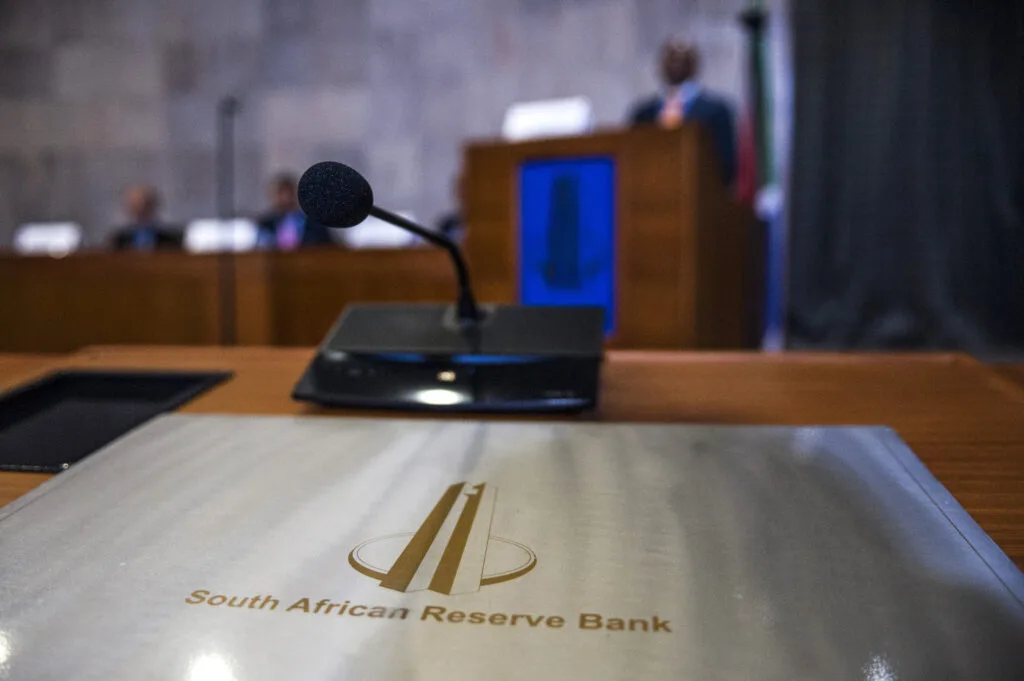
The South African Reserve Bank (SARB) will finalize the transfer of R100 billion in profits from the nation’s gold and foreign-exchange reserves to the Treasury by mid-August, Governor Lesetja Kganyago announced.
“By July 1, R100 billion had been transferred to the SARB, and approximately three-quarters of the R100 billion due to the National Treasury this year has already been paid out,” Kganyago informed shareholders at the central bank’s ordinary general meeting on Tuesday.
“We expect to complete the transfers by mid-August,” he added.
This transfer follows South African Finance Minister Enoch Godongwana’s February budget announcement, which outlined plans to restructure reserves held at the central bank to free up R150 billion over three years, aimed at reducing debt issuance.
As of January, the country’s Gold and Foreign Exchange Contingency Reserve Account (GFECRA) reported paper profits of R507.3 billion, a significant rise from R1.8 billion in 2006. This increase reflects the depreciation of the South African currency against the dollar.
To facilitate the pay-out to the Treasury, the account has been reorganized, leaving R250 billion to protect the country from potential losses if the rand appreciates and allocating R100 billion to the central bank to safeguard its balance sheet from losses.
Other Highlights:
- Disinflation Path Uncertainty: The path to lower inflation remains uncertain due to persistent underlying inflation components.
- Inflation Projections: The Reserve Bank projects inflation to stabilize at the 4.5% midpoint in 2025 and 2026.
- Grey-Listing Effects: The impact of South Africa being grey-listed in 2023 is being felt, as foreign counterparts apply increased scrutiny to domestic institutions. Kganyago emphasized the importance of addressing these issues promptly to avoid long-term negative effects on the economy.
- Interest Rates Warning: Kganyago has consistently warned that interest rates may remain elevated for an extended period due to persistent inflationary pressures in South Africa.
Main Image: Moneyweb