South African Currency Improvement – An Analysis
Current Strength of the South African Rand (ZAR) As of December 2, 2025, the ZAR is exhibiting notable strength against the US dollar, trading at approximately 17.10 USD/ZAR, a slight 0.09% daily increase but reflecting broader monthly gains. Year-to-date, the ZAR has appreciated by over 8% against the USD, recovering from highs near 19.74 earlier
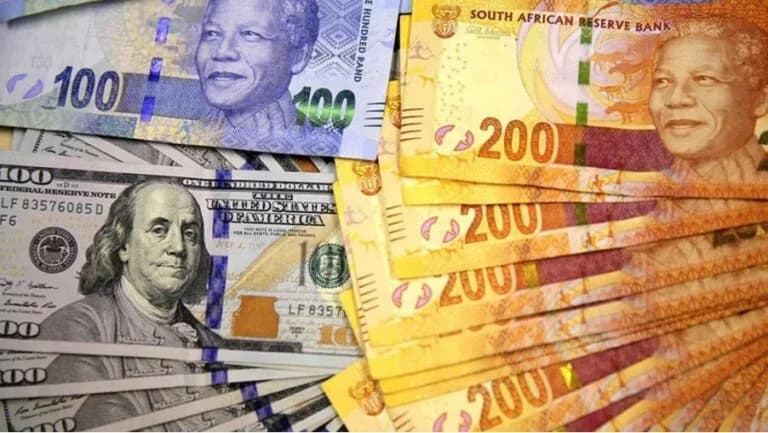
Rand Retreats as Fed Hints at Additional Rate Hikes in 2023
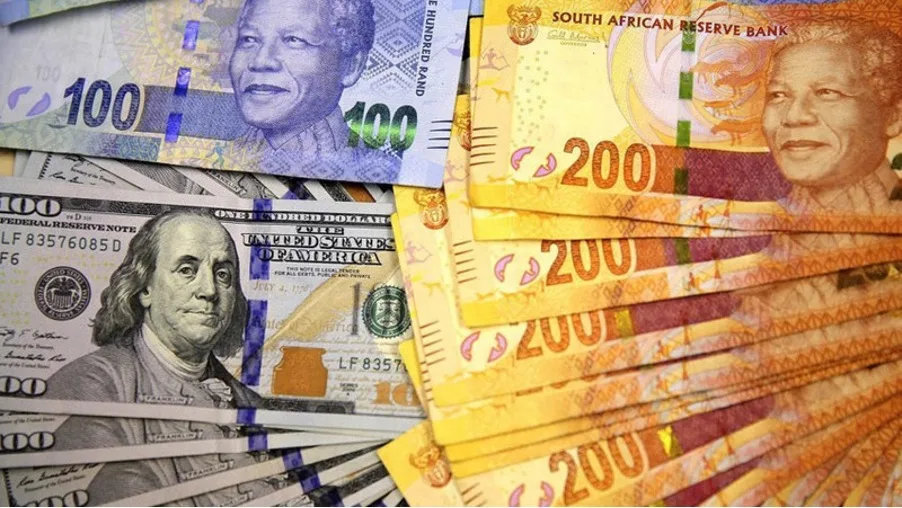
Current Strength of the South African Rand (ZAR)
As of December 2, 2025, the ZAR is exhibiting notable strength against the US dollar, trading at approximately 17.10 USD/ZAR, a slight 0.09% daily increase but reflecting broader monthly gains. Year-to-date, the ZAR has appreciated by over 8% against the USD, recovering from highs near 19.74 earlier in 2025. This has been driven by robust commodity prices (e.g., gold and platinum), improved South African growth forecasts from the South African Reserve Bank (SARB), and global risk-on sentiment. This marks one of the ZAR’s strongest periods in recent years, bolstered by higher export earnings and a revised SARB inflation outlook.
Analyst Forecasts for the Next 3-6 Months
Analysts anticipate the ZAR to maintain its firmness through March-June 2026, with USD/ZAR potentially dipping to an average of 16.96 in December 2025 (ranging 16.42-17.41) before stabilizing around 17.00-18.00. Forecasts from sources like Investec and Daily Forex highlight volatility tied to US Federal Reserve policy, global events, and SARB rate decisions, but expect gradual strengthening due to sustained commodity tailwinds and domestic stability. Longer-term outlooks through 2025 suggest a trading range of 17.13-19.50, with upside risks from a hawkish Fed potentially capping gains.
Impact on South Africa’s Export-Driven Economy
South Africa’s economy, reliant on exports – minerals, metals, and autos account for around 60% of exports, faces headwinds should the ZAR strengthen too much. A firmer currency raises the rand price of exports in foreign markets, eroding competitiveness, or alternatively reduces profits and the tax base in South Africa, and potentially could see export volumes curbed.This may pressure manufacturing sentiment and export earnings, as seen in recent subdued demand.
However, it benefits importers by lowering input costs and eases inflation, supporting consumer spending. Overall, while short-term commodity booms provide a buffer, prolonged strength risks widening the trade deficit and slowing GDP growth to below the projected 1.3% in 2026. Policymakers may intervene via SARB tools to temper appreciation for export sustainability.
How Does The Rand Stack-Up Against the Nigerian Naira?
The South African Rand (ZAR) and Nigerian Naira (NGN) remain key African currencies, with the ZAR showing relative stability due to commodity exports, while the NGN has benefitted from recent Central Bank interventions amid oil price fluctuations. As of December 2, 2025, 1 ZAR trades at approximately 84.70 NGN, reflecting the ZAR’s ongoing edge. Year-to-date in 2025, the ZAR has appreciated by 3.22% against the NGN, a moderated gain as both currencies strengthened against the USD: ZAR by 10.23%, NGN by 7.03%.
Despite current US tariffs of 30% being applied to certain goods, and a downward trajectory for export volumes, the Rand has remained stable having been boosted by recent developments. The country has been removed from the FAFT “Grey List” and has been recently upgraded by S&P’s latest ratings.
GDP growth however is still lagging and this could impact on future credit upgrades and currency stability, with debt to GDP hitting record highs at 77,4% and projected to peak at 79% next year.
Key Metrics (as of Dec 2, 2025)
NGN: +7.03% vs. USD (both appreciating)ZAR/NGN Jan 1 average: 82.06 NGNRecent Trend (Nov 2025)Stable at ~84.5–84.7NGN hit YTD high of ~1,448/USD in late Nov; ZAR near 9-month low of 17.07/USD
Economic Drivers
- ZAR Strength: Supported by South Africa’s mineral exports (e.g., platinum, gold), SARB’s steady policy, and GDP growth projections of around 1.3%. The ZAR is also Africa’s most traded currency for liquidity.
- NGN Resilience: Nigeria’s oil revenues and forex reforms have driven gains, with inflation cooling to ~30% despite reserves challenges. Recent interventions lifted it to 2025 peaks.
Implications
The ZAR’s modest edge over the NGN enhances South African goods’ affordability in Nigeria (e.g., machinery, autos), boosting bilateral trade. However, both currencies’ USD gains ease import costs continent-wide. Investors favor ZAR for lower volatility; NGN for yield potential. Q1 2026 forecasts hold ZAR/NGN at 84–86, vulnerable to oil volatility and US Federal Reserve rate shifts.