South Africa is set to pay back almost R28 billion by the end of January
Countries in Sub-Saharan Africa have been excluded from global debt markets for 22 months, and there is a growing expectation among investors that this situation may change soon. This optimism arises as nations seek financing to meet numerous principal payments due this year and the next. South Africa is scheduled to reimburse $1.5 billion
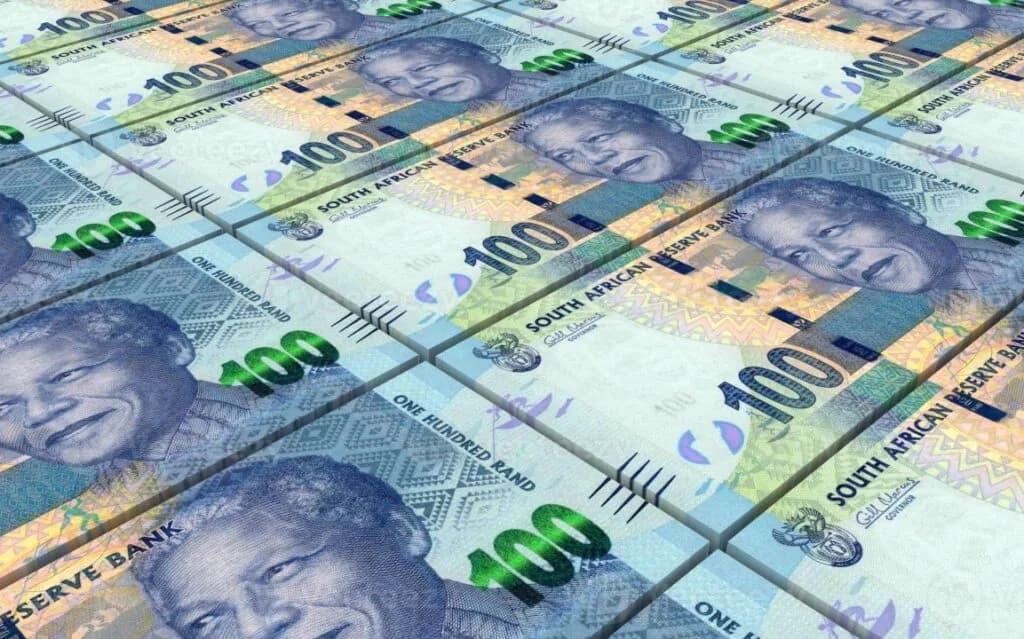
South Africa is set to pay back almost R28 billion by the end of January
Countries in Sub-Saharan Africa have been excluded from global debt markets for 22 months, and there is a growing expectation among investors that this situation may change soon. This optimism arises as nations seek financing to meet numerous principal payments due this year and the next.
South Africa is scheduled to reimburse $1.5 billion (R27.9 billion) in bonds this month, while Kenya faces a $2 billion (R37 billion) maturity in June. Subsequently, Senegal, Ivory Coast, and Gabon are expected to make principal repayments in the second half of the year. Ethiopia, initially slated for December, defaulted last month.
The wait for funding has been prolonged for these nations, and high-yield investors, eager for new opportunities, have also endured a protracted period without substantial activity. The drought in international bond issuance commenced in April 2022 and persisted throughout 2023. The last instance of Sub-Saharan African countries experiencing a full year without a single international bond sale was in 2009, during the global financial crisis.
Shamaila Khan, the head of fixed income for emerging markets and Asia Pacific at UBS Asset Management, noted: “There has been limited supply from higher-yielding EM countries, so the demand may be robust for well-priced new issues with positive fundamentals.” However, she cautioned that still-elevated borrowing costs for most sovereigns in Africa might limit issuance.
Kenya stands out as a potential candidate to break the deadlock. The spread between yields on Kenya’s dollar-denominated debt and US Treasuries has narrowed by more than 400 basis points since reaching a record high last year. Closing at 599 basis points on Wednesday, according to JPMorgan Chase data, down from its high of 1,028 in April.
Simon Quijano-Evans, chief economist at Gemcorp Capital Management in London, expressed optimism, stating: “Kenya could well be the first to issue this year, and one would imagine that market demand would be forthcoming.” He also suggested that the anticipation of a new bond issue could help lower spreads and improve the country’s financial position for 2024.
Quijano-Evans added, “Combining that with a contraction in UST yields could help pull all-in yield for a 10-year USD bond closer to the 9% mark at some stage in the first half.” Currently, Kenya’s debt due in June trades at a yield of 15.8%.
Other candidates to end the borrowing drought include South Africa, Angola, and Nigeria, according to Morgan Stanley. Each may tap the market at yields around 10%. South Africa, in particular, could potentially issue up to $2.5 billion (R46.6 billion) in the second quarter, but strategists, including Neville Mandimika, emphasize that such issuance would be highly dependent on external financing conditions.
However, Moody’s Investors Service issues a cautionary note, stating that the outlook for Sub-Saharan African sovereign issuers is negative this year. This reflects the risks associated with large debt burdens and the challenges many countries will face in refinancing at affordable rates, according to analysts, including John Walsh.