Sonangol Confirms Major Gas Potential at Angola's Katambi Field
Sonangol and Angola's oil regulator have confirmed significant gas and condensate potential at the Katambi field, following successful testing of the Katambi-2 appraisal well on Block 24. The well recorded a stabilised flow rate of 41 million cubic feet of gas per day and 1,160 barrels of condensates per day, while preliminary results indicate that
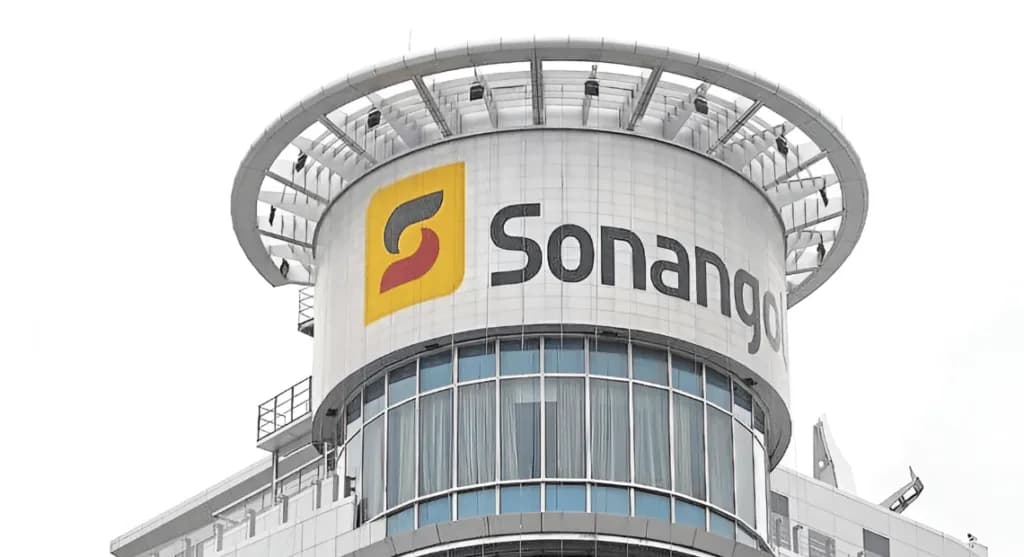
Sonangol Confirms Major Gas Potential at Angola's Katambi Field
Sonangol and Angola’s oil regulator have confirmed significant gas and condensate potential at the Katambi field, following successful testing of the Katambi-2 appraisal well on Block 24. The well recorded a stabilised flow rate of 41 million cubic feet of gas per day and 1,160 barrels of condensates per day, while preliminary results indicate that production could exceed 100 million cubic feet of gas per day. Sonangol and the Agência Nacional de Petróleo, Gás e Biocombustíveis (ANPG) announced the results on 6 August, saying the appraisal well confirmed higher-quality gas reservoirs than those identified by BP more than a decade ago.
The results are significant for Angola’s gas industry because Katambi-2 represents the country’s first full test of a non-associated gas reservoir. Unlike associated gas, which is produced alongside oil, non-associated gas comes from reservoirs where gas is the primary hydrocarbon. The reservoir also contains no water or hydrogen sulfide, according to preliminary results. This could simplify processing and improve the commercial prospects of developing the resource.
Angola’s Gas Potential
Sonangol estimates that the Katambi field contains around 1.7 billion barrels of oil equivalent, mainly in the form of gas and condensates. Based on the company’s estimates, the field could become Angola’s largest gas field. The discovery comes after changes to Angola’s regulatory framework aimed at encouraging investment in non-associated gas. In 2018, the government opened exploration and production of non-associated natural gas to private investment through a presidential decree. It also introduced fiscal incentives for new gas projects, including a 10-year tax exemption, according to the African Energy Chamber. The reforms were intended to make gas development more attractive to investors. Before the changes, oil companies had limited incentives to develop non-associated gas because the state retained exclusive rights over the resource.
Infrastructure Options for Katambi
The size of the resource comes with a significant infrastructure challenge. Block 24 is located about 500 kilometres south of existing offshore infrastructure, making development more expensive and technically demanding. That distance is expected to fall to around 250 kilometres once TotalEnergies’ Kaminho project becomes operational, potentially improving the infrastructure options available to Katambi.
Sonangol is considering two development routes for the field. One option would involve installing a floating liquefied natural gas (LNG) facility at the field, allowing the gas to be processed and exported as LNG. The other would involve constructing a pipeline of about 75 kilometres to the Lobito industrial complex, according to Upstream Online.
The development could also create opportunities for Angolan SMEs and technology companies as the field moves towards production. Its distance from existing infrastructure means the project will require specialised engineering, offshore logistics, monitoring, maintenance and gas-processing services. Angola’s local-content rules could give qualified domestic suppliers a route into that supply chain, while the choice between an LNG facility and pipeline connection could create additional demand for local contractors and technology providers.