Snapchat Adjusts Solar System Feature Amid Teen Anxiety Concerns
In response to growing concerns about the impact of its "solar system" feature on teen anxiety, Snapchat has taken steps to adjust how the feature operates, less than a week after The Wall Street Journal highlighted its potentially detrimental effects. The solar system feature, previously used to rank paid subscribers in relation to their Snapchat

Snapchat-Adjusts-Solar-System-Feature-Amid-Teen-Anxiety-Concerns
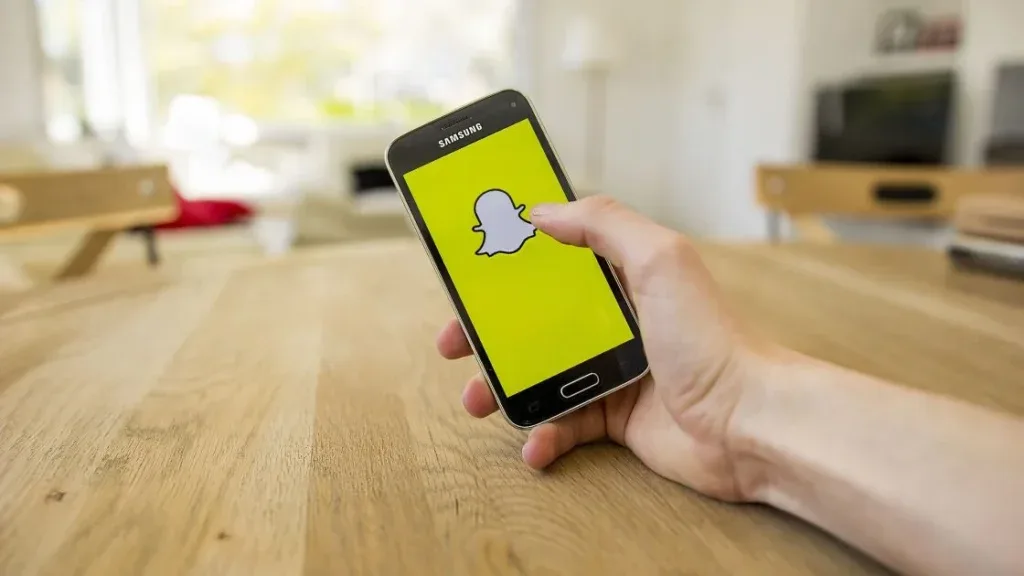
In response to growing concerns about the impact of its “solar system” feature on teen anxiety, Snapchat has taken steps to adjust how the feature operates, less than a week after The Wall Street Journal highlighted its potentially detrimental effects.
The solar system feature, previously used to rank paid subscribers in relation to their Snapchat friends, displayed users’ positions within their friends’ solar systems. For instance, being designated as “Mercury” denoted a close friendship, while “Uranus” indicated a less intimate connection. However, the feature’s implementation sparked worries that it could exacerbate feelings of insecurity and hurt among users.
Acknowledging these concerns, Snapchat announced that it would deactivate the solar system feature by default, thereby allowing users to opt in if they wish to utilize it. The decision reflects Snapchat’s attempt to strike a balance between catering to users who find value in the feature and respecting those who prefer not to engage with it.
“We’ve heard and understand that the Solar System can make that feeling worse, and we want to avoid that,” the company stated in a post on its newsroom.
Snapchat’s decision to deactivate the feature by default rather than remove it entirely is a departure from its handling of the controversial speed filter, which it eliminated following legal challenges over safety concerns.
While Snapchat asserts that the solar system feature is relatively unpopular, with less than 0.25% of users utilizing it, critics argue that its availability exclusively to paid subscribers skews this statistic. Moreover, concerns persist over the potential psychological impacts on users, including reports of difficult conversations and even breakups stemming from the feature’s revelations.
Snapchat’s defence of the feature as a means of providing “additional awareness and context” regarding friendships has been met with scepticism, with critics contending that it primarily serves to reinforce social hierarchies among young users.
The solar system feature is just one aspect of Snapchat’s broader friend-ranking systems, which include the “Best Friends” feature highlighting the most frequently contacted individuals. Additionally, the much-debated “Streaks” feature, intended to incentivize continued app usage through streaks of consecutive daily interactions, has drawn criticism for its addictive nature and potential psychological harm.
While Snapchat vows to address the downsides of online communication, its history of introducing features subject to legal scrutiny and regulatory scrutiny raises questions about its commitment to user well-being. As the platform continues to evolve, it faces ongoing challenges in balancing user engagement with responsible design practices to mitigate potential harms.