China is preparing new traffic rules for a world of self-driving cars
Self-driving cars are getting better at driving themselves. The harder question is what happens when they get something wrong. China is now looking at that problem directly. The country is reviewing changes to its Road Traffic Safety Law that would create specific rules for autonomous vehicles. One of the biggest changes could be who is
China is preparing new traffic rules for a world of self-driving cars
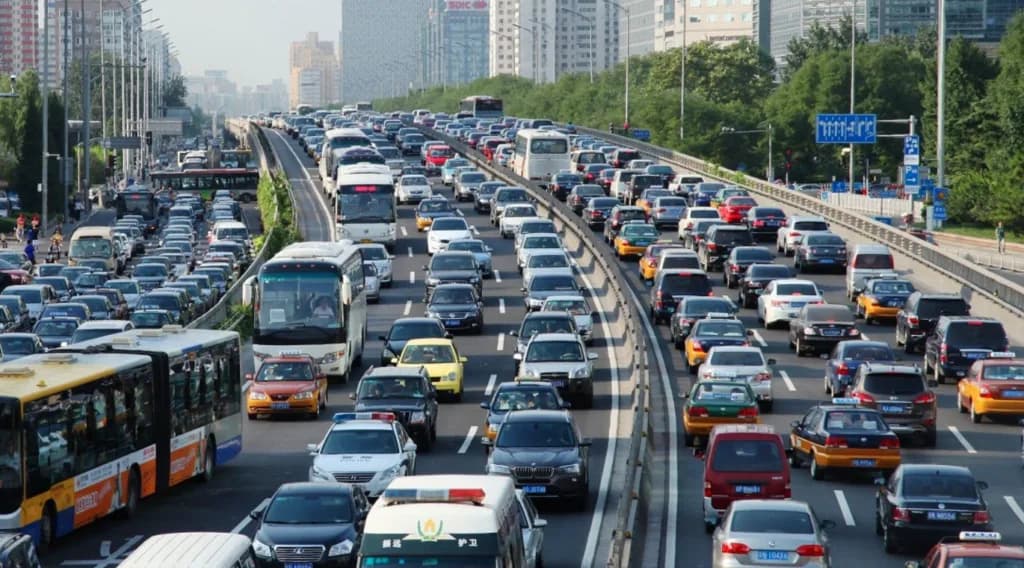
Self-driving cars are getting better at driving themselves. The harder question is what happens when they get something wrong. China is now looking at that problem directly. The country is reviewing changes to its Road Traffic Safety Law that would create specific rules for autonomous vehicles. One of the biggest changes could be who is held responsible when a self-driving car commits a traffic offence. Under the proposed changes, manufacturers or importers could be held responsible when a vehicle is operating autonomously. That is a big shift from the way traffic rules normally work. If a person is driving, the responsibility usually sits with the driver. But what happens when the driver is no longer making every decision?
The problem starts when the car is in control
Imagine a self-driving car goes through a red light while its autonomous system is running. The person inside the vehicle may not have touched the steering wheel or made the decision to go through the light. So who gets the blame? That is the kind of situation China is trying to deal with. The proposed changes would introduce a dedicated section for autonomous vehicles covering areas such as how they can be used on public roads, traffic violations and insurance. The law is still being considered, so these rules are not final. But the direction is clear.
Not every automated car will be treated as a self-driving car
This is also important because there is a big difference between a car helping the driver and a car taking over the driving. Features such as adaptive cruise control, lane keeping and automated parking still leave the driver responsible. More advanced systems can take over much more of the driving. China’s proposed rules would make a distinction between these different levels of automation. That matters because carmakers are putting more automated driving features into new vehicles, and the line between driver assistance and autonomous driving is becoming more important.
China is already putting more rules around the technology
The traffic-law proposal comes after China introduced its first mandatory national safety standard for L3 and L4 autonomous-driving systems. The standard is scheduled to take effect in July 2027 and covers areas such as testing, development and safety requirements. For L3 vehicles, manufacturers will also have to make sure the driver is ready to take control when the system requires it. Drivers will also have to be told what the system can and cannot do. So China is not simply allowing the technology to develop and dealing with problems afterwards. It is putting rules around how these vehicles are built, tested and used.
This could put more pressure on carmakers
The proposed law could make autonomous driving a bigger legal issue for manufacturers. If a vehicle commits a traffic offence while it is driving itself, the company behind the vehicle could end up carrying some of the responsibility. That means automakers will have to pay even closer attention to what their systems do on the road. It also raises practical questions. If there is an accident or traffic violation, companies may need to show whether the vehicle was driving autonomously, whether the driver was supposed to be in control and what the system did immediately before the incident. Those details could become just as important as the vehicle itself.
China’s proposal is still a draft and could change before it becomes law. But it is dealing with a problem that every country introducing more autonomous vehicles will eventually have to face. A car that drives itself changes the old relationship between the driver and the vehicle.And once the car is making the decision, someone still has to be responsible when that decision is wrong. China is now trying to work out where that responsibility should sit.