Zambia's new power projects could ease pressure on small businesses
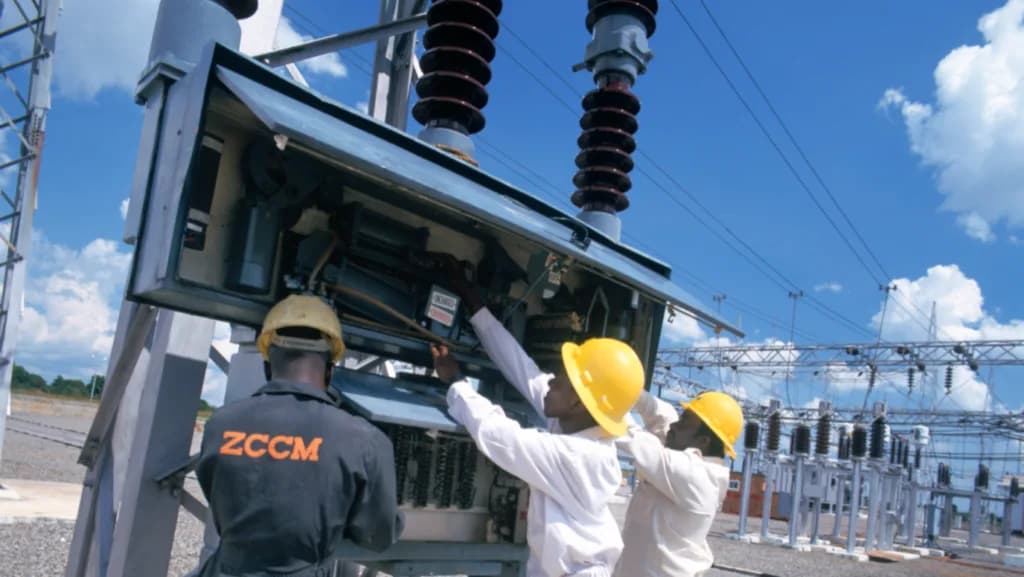
Zambia has approved energy projects worth about ZMW18.4 billion ($971.5 million) in proposed investment. The Energy Regulation Board approved 23 licences, 20 construction permits and additions to existing licences across electricity, renewable energy and petroleum. The approvals include 11 utility scale solar projects, as well as fuel stations, renewable energy businesses and petroleum transport operations.
Zambia's new power projects could ease pressure on small businesses
Zambia has approved energy projects worth about ZMW18.4 billion ($971.5 million) in proposed investment. The Energy Regulation Board approved 23 licences, 20 construction permits and additions to existing licences across electricity, renewable energy and petroleum. The approvals include 11 utility scale solar projects, as well as fuel stations, renewable energy businesses and petroleum transport operations. For Zambia’s small businesses, the question is not really how big the investment figure looks. It is whether it can make running a business a little easier.
For a small workshop, an electricity outage can mean machines stop working. For a manufacturer, employees can sit around while production stops. For a shop, fridges and freezers still need to run. For a salon, some services simply cannot continue without electricity. The business does not stop paying wages or rent when the power goes off. It can also lose customers. That is the part of the electricity problem that gets overlooked when the discussion stays focused on generation figures.
Generators add another cost
Businesses that cannot afford to stop working often turn to generators. During the worst periods of Zambia’s recent power shortage, some businesses were running diesel generators for more than 10 hours a day. That is a lot of diesel for a small business to absorb. There is the cost of the generator, fuel, maintenance and repairs. And the generator may not even be powerful enough to run all the equipment. A small business can end up choosing which parts of the operation stay open during an outage. Research published in 2026 on welding businesses in Lusaka found that frequent electricity interruptions were affecting their operations. For a business that depends on machinery, losing several hours of working time can quickly become a lost order or a delayed customer.
Zambia is adding more solar
The latest approvals include 11 utility-scale solar projects. That fits with Zambia’s attempt to reduce some of its dependence on hydropower. The country’s power shortages became much worse when drought reduced water levels and affected hydropower generation. Solar gives Zambia another source of electricity. But an approved solar project does not mean a business gets more electricity tomorrow. The developers still have to raise the money, build the projects and connect them to the grid. The electricity also needs to reach businesses at a price they can afford.
SMEs will notice the difference in their daily costs
If the power becomes more reliable, the effect on a small business is fairly straightforward. A workshop can keep its machines running. A manufacturer can finish more orders. A shop can keep its refrigeration working. A business that spends heavily on diesel can reduce some of that expense. That money could then go towards stock, wages, equipment or simply keeping the business afloat during a difficult month. For a small company, those savings can matter more than the size of the investment announcement.
It can also affect whether an SME hires
There is another problem with unreliable electricity. A business can have enough workers but still struggle to produce more because the machines keep stopping. A workshop with five employees does not necessarily need a sixth employee if those five already spend hours waiting for electricity. A manufacturer may have more orders available but no confidence that it can produce them on time. Reliable electricity changes that calculation. If a business can work more hours and take on more orders, hiring another person starts to make more sense. That could mean another worker in a workshop, another person on a production line or another shift at a small factory.
The ZMW18.4 billion represents proposed investment linked to the licences and permits approved by the ERB. It does not mean Zambia has already spent the money or that all these projects are producing electricity. The projects still have to be financed, built and connected. That is important because SMEs are still dealing with the electricity supply available today. For now, the value of the announcement is in what could come next. If the projects reach operation, Zambia could have more electricity available and less reliance on the same power sources that have caused problems during periods of drought.