Sasol wins appeal regarding emissions calculation methods at its Secunda plant
Sasol has emerged victorious in its appeal regarding emissions calculation methods at its Secunda plant in South Africa, preventing a disruption to its chemical and fuel production. However, environmentalists argue that the ruling could lead to increased pollution. Following this favourable outcome, Sasol's shares experienced a notable surge in value. The Secunda facility, a key
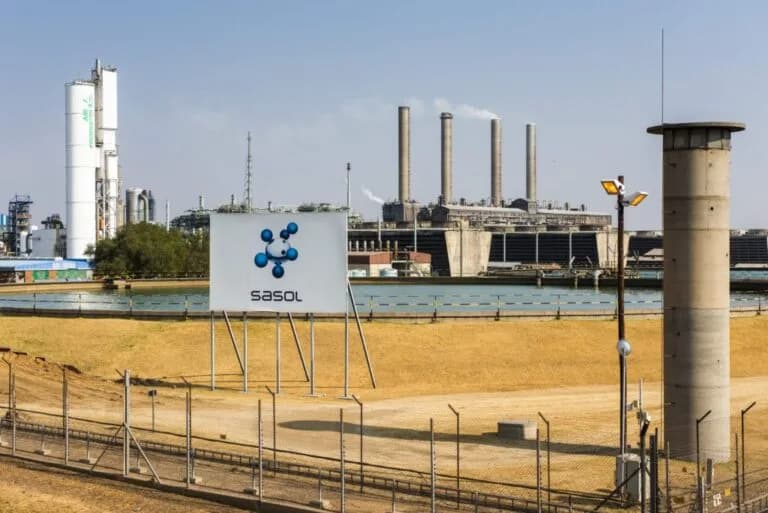
Sasol-wins-appeal-regarding-emissions-calculation-methods-at-its-Secunda-plant
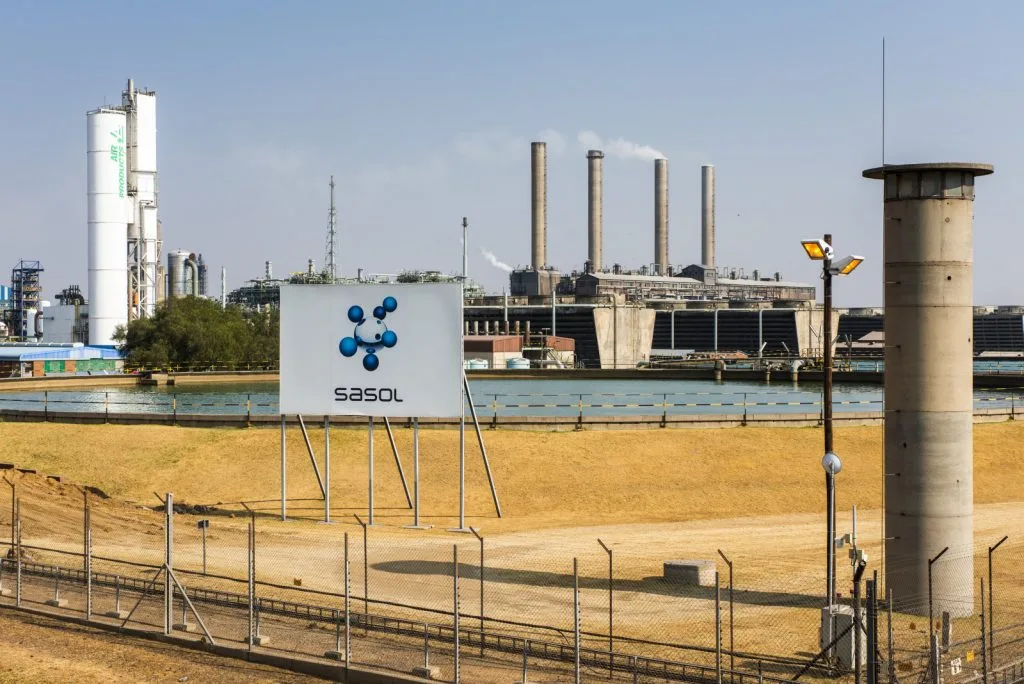
Sasol has emerged victorious in its appeal regarding emissions calculation methods at its Secunda plant in South Africa, preventing a disruption to its chemical and fuel production. However, environmentalists argue that the ruling could lead to increased pollution.
Following this favourable outcome, Sasol’s shares experienced a notable surge in value.
The Secunda facility, a key component of Sasol’s coal-based chemical and fuel production and the world’s largest single-point emitter of greenhouse gases, faced potential operational challenges after authorities initially prohibited the company from altering its emissions regulation approach.
Yet, South African Environment Minister Barbara Creecy upheld Sasol’s appeal, allowing the company to transition to an alternative-emission load basis for regulating emissions, instead of the existing concentration-based limits, as stated in a Monday announcement.
Sasol’s shares climbed as much as 6.6%, marking their most significant increase since January 2023, and were trading 5.6% higher by 12:50 p.m. in Johannesburg.
However, Robyn Hugo, director of climate change engagement for Just Share, a Cape Town-based investor activist organization, voiced concerns over the decision. She warned that it could result in emissions exceeding permissible levels, which are already less stringent compared to global standards, leading to adverse air quality and health effects.
As South Africa’s second-largest emitter of greenhouse gases, Sasol faces mounting pressure to mitigate pollution stemming mainly from its coal-based manufacturing processes. The company has committed to reducing emissions by 30% by 2030 and has outlined plans for renewable energy and clean power solutions, although critics argue that these plans lack specificity.
In its appeal, Sasol employed an analogy likening sulphur dioxide emissions to teaspoons of sugar in coffee cups. The company argued that reducing the number of teaspoons per cup (concentration-based) or using fewer cups with the same overall amount of pollutant (load-based) could achieve the desired outcome, while also minimizing other pollutants such as particulate matter and nitrogen oxides.
According to Sasol, Minister Creecy has allowed load-based limits to be implemented from April 1, 2025, until March 31, 2030. The company intends to engage with the minister to finalize the regulatory requirements for the decision to be fully implemented.