SA’s last-mile delivery game needs to be on point
Africa’s last-mile delivery market is expected to be worth $2.3 billion (R43 Billion) by 2030. If one considers that the continent will be home to some two billion people by 2050, it becomes clear that this sector will grow exponentially and offer many new business opportunities. Meanwhile, South Africa’s total ecommerce market is on track
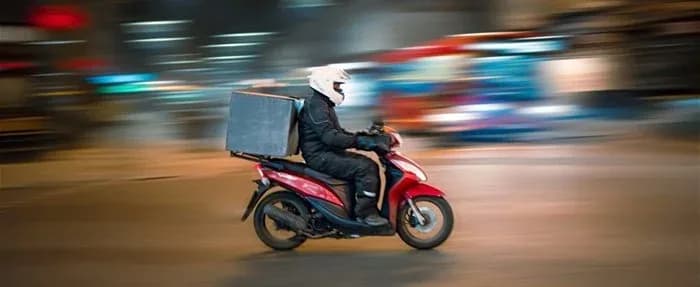
Africa's last-mile-delivery landscape
Africa’s last-mile delivery market is expected to be worth $2.3 billion (R43 Billion) by 2030.
If one considers that the continent will be home to some two billion people by 2050, it becomes clear that this sector will grow exponentially and offer many new business opportunities.
Meanwhile, South Africa’s total ecommerce market is on track to reach 16.3 billion (R307 billion) in the next six years, according to a deep-dive market assessment by RationalStat.
However, suppose the country’s ecommerce businesses are to take advantage of the projected boom in online sales. In that case, their last-mile delivery service offering must correspond with growth in that market sector. With so much competition, there is no other option.
Anita Erasmus, Head of Business at South African ecommerce powerhouse Bob Group, emphasizes the pivotal role of the final leg of delivery in shaping the customer’s journey. “The speed and seamlessness of the last-mile delivery directly dictate the pace and quality of your customer’s experiences,” she asserts.
Last-mile delivery typically involves transporting goods from a distribution centre to the customer’s doorstep. It commences with order processing, picking, and packing, followed by transportation via various vehicles depending on the scale and location of delivery.
In South Africa, the last-mile delivery landscape is marked by unique challenges, notably security concerns and electricity limitations, distinguishing it from counterparts in the US and Europe. Local companies are compelled to invest in security measures like GPS tracking and route planning to mitigate potential security threats.
Moreover, electricity limitations hinder the adoption of the global electric vehicle trend in the last-mile industry, thus limiting its potential environmental benefits.
Despite these challenges, several prominent players in South Africa are excelling in the last-mile delivery arena by offering ‘smart’ solutions that integrate advanced technologies and data solutions. These include GPS tracking, route optimization algorithms, and real-time tracking to streamline operations.
By leveraging data analytics for insights into delivery patterns and customer preferences, these companies make informed decisions for route planning and resource allocation. They prioritize enhanced customer experiences through real-time updates and flexible delivery options.
Erasmus highlights the success of companies like Pargo, which have introduced innovative solutions such as the counter-pickup services model. Additionally, Bob Group has developed Bob Box, a smart locker and counter solution providing secure and confidential shipments for couriers, online merchants, and customers.
To address challenges like load-shedding, Bob Group ensures its Bob Box locker network uses battery power for continuous service. Erasmus notes that traditional logistics firms are increasingly investing in innovative technology to stay competitive and enhance service offerings for their customers.
Erasmus advises that when assessing a last-mile delivery option, ecommerce businesses should consider fundamentals like excellent service delivery, competitive pricing, customer options, and seamless integration.
“Offering customers options for delivering parcels, ranging from door-to-door services to locker solutions, is essential for ecommerce businesses. However, to execute this effectively, businesses must seamlessly integrate with service providers to ensure a streamlined process, benefiting both fulfilment operations and the end-customer experience.”