SA’s ‘energy crossroad’ costing the country about R204 million a day
South Africa is at an energy crossroads, caught between a crisis that is costing the economy around R204 million a day and a simultaneous need to decarbonise the country’s future and achieve this transition in a just, socially acceptable manner. This dilemma, alongside the impact of climate change on the continent, opportunities and risks for
SA’s ‘energy crossroad’ costing the country about R204 million a day
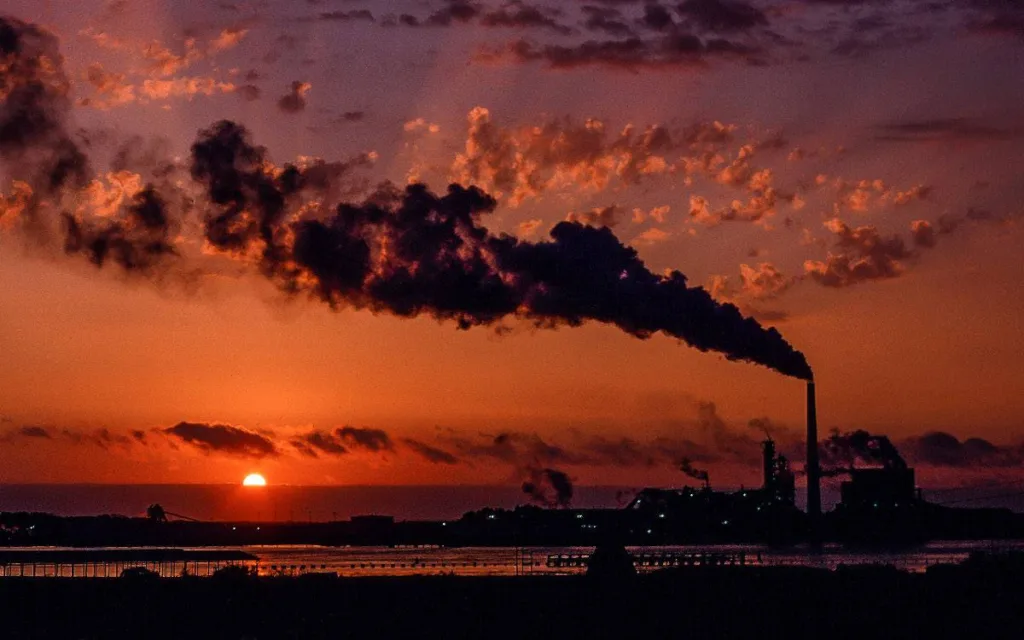
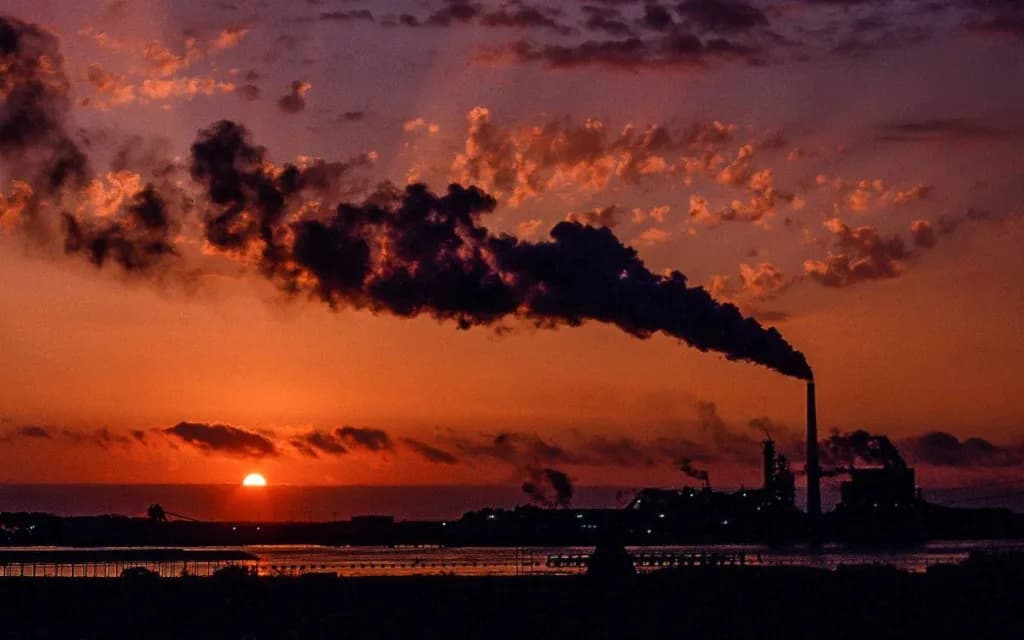
South Africa is at an energy crossroads, caught between a crisis that is costing the economy around R204 million a day and a simultaneous need to decarbonise the country’s future and achieve this transition in a just, socially acceptable manner.
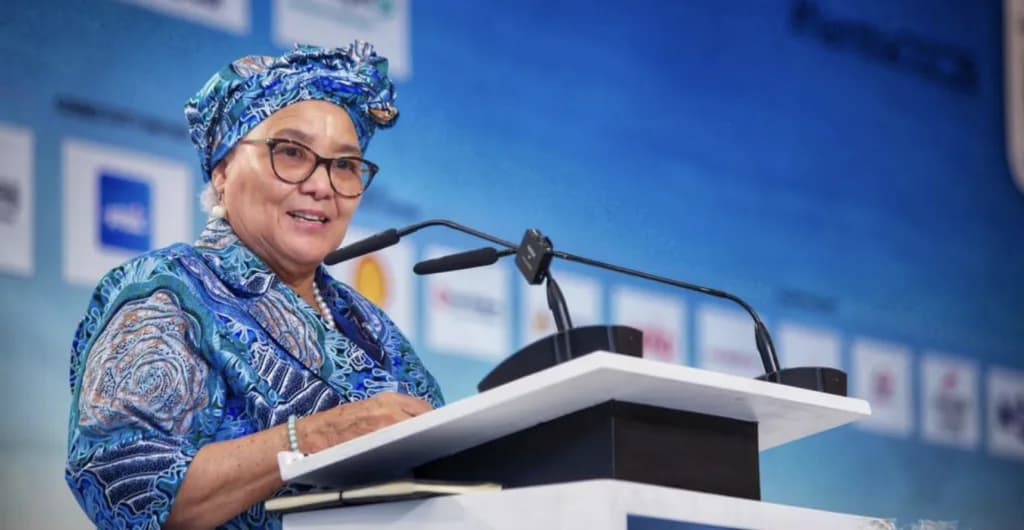
This dilemma, alongside the impact of climate change on the continent, opportunities and risks for Africa, the need to transition high carbon industries, and the meeting of minds between developed and emerging markets were among the topics discussed and debated at Standard Bank’s third Climate Summit in Johannesburg on the 18 October.
In closing the Summit, Standard Bank Group CEO, Sim Tshabalala, said that the bank fully understands the gravity and urgency of what the country, continent and world is facing.
“We urgently need to mobilise enormous amounts of money for humanitarian response, social and economic transition, and large-scale spending to make cities cooler and more resilient, and to finance generation as well as distribution capacity,” he said.
He added that a great deal of new private investment is required, and that Standard Bank has a large appetite for sustainable finance. He also referenced blended finance. “We need to make better use of blended finance. Banks and other private capital providers can lend and invest more when development finance institutions provide credit guarantees. It is exciting that this idea is getting traction,” said Tshabalala.
Kenny Fihla, CEO at Standard Bank Corporate Investment Banking, emphasised the urgency of embarking on a just energy transition, stating that ‘tomorrow is too late’. He added that Standard Bank believed that bringing diverse and divergent voices together to discuss climate change issues facing Africa and South Africa was essential to strengthening the continent’s voice in the global journey to a net-zero future.
Voices ranging from academics, business leaders, and analysts to entrepreneurs, painted a picture of Africa finding itself in an interesting and important era. Whether framing the discussions from the perspective of activism or business pragmatism, a recurring theme was that governments and the private sector must work together with urgency, not just because Africa will be disproportionately affected, but because there is also a great opportunity to be unlocked in positioning the continent correctly in the global just energy transition.
Fihla mentioned that at Africa’s inaugural climate summit held in Nairobi last month, leaders from 20 African countries issued a declaration that called for an urgent restructuring of how wealthier nations engage with the continent. The declaration highlighted the need for the world’s industrialised countries, to unlock access to their capital through investments, as opposed to only providing aid donations when disasters strike.
While Africa must join the global drive towards limiting greenhouse gas (GHG) emissions, this action must be considered within the context of Africa’s just transition towards low-carbon economies, and in a manner that recognises and addresses the deep energy deficit across the continent’s economies. “The transition away from non-renewable energy will, out of necessity, be a gradual and measured process, given widespread energy poverty across sub-Saharan Africa – less than fifty percent (50%) of the population have access to electricity,” said Fihla.
This just energy transition will need to consider the energy mix, context and energy security in different countries and regions. The introduction of renewable energy and gas as transition fuels, will require innovation and changeover finance.
He said that as part of the bank’s plan to achieve net zero, it aims to introduce a renewable energy fund later in 2023 with the asset management and insurance businesses of Stanlib and Liberty. “The aim is to provide seed funding and crowd in further investment to support energy transition across the 20 markets we serve.”
“To date, we have committed a total of R49bn to renewable projects from BD 1 – 5 & RMIPP, excluding the commitments that we made to decentralise energy. We look forward to working with Eskom to resolve transmission constraints to allow for further awards of wind projects. In total, we have supported the roll out of 3.9 GW of electricity generation.”
“We remain committed to achieving net-zero carbon emissions from our newly built facilities by 2030, from existing ones by 2040, and from our portfolio of financed emissions by 2050, concluded Fihla.”