Rivian's Strategic Shift: Unveiling the Affordable R2 Electric SUV Amidst Business Challenges
When RJ Scaringe embarked on building Rivian Automotive Inc., his vision excluded a paint shop and stamped metal, aiming for cost-effective production in an industry dominated by corporate giants. However, Rivian's journey took an unexpected turn, resulting in the launch of high-end trucks — the R1S SUV and R1T pickup. Despite financial challenges and recent
Rivian's Strategic Shift: Unveiling the Affordable R2 Electric SUV Amidst Business Challenges
When RJ Scaringe embarked on building Rivian Automotive Inc., his vision excluded a paint shop and stamped metal, aiming for cost-effective production in an industry dominated by corporate giants. However, Rivian’s journey took an unexpected turn, resulting in the launch of high-end trucks — the R1S SUV and R1T pickup.
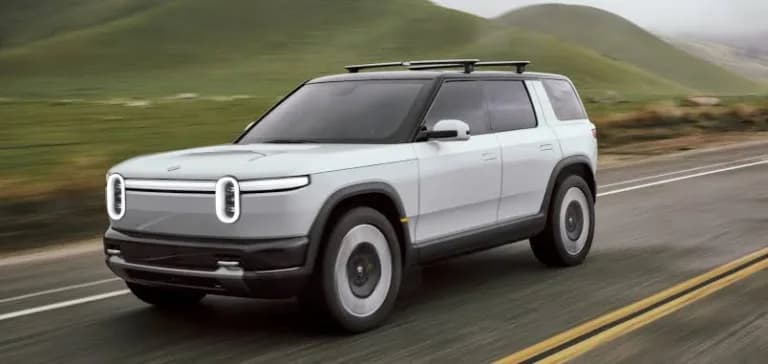
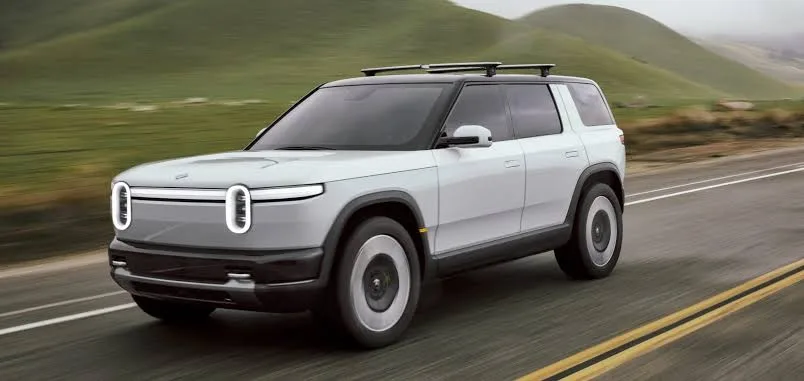
Despite financial challenges and recent setbacks, Rivian has now introduced a more budget-friendly model, the R2 electric SUV. Priced at $45,000 and expected to ship in 2026, the R2 represents a return to Rivian’s initial scrappy ethos. To trim costs, it excludes features like individual wheel electric motors and built-in Bluetooth speakers.
In a surprise move, Scaringe revealed another addition to Rivian’s lineup – the R3, described as a crossover EV and positioned as the entry-level model. While specific details about pricing and production timing for the R3 remain undisclosed, it signals Rivian’s commitment to catering to a wider market.
Rivian’s recent struggles include a reduced vehicle production target for the year, layoffs in its workforce, and challenges stemming from high-interest rates, supply-chain disruptions, and cost-conscious consumers. The company’s stock, once soaring, has faced volatility, emphasizing the hurdles of scaling production without revenue from traditional gas models.
In an effort to cut costs, Rivian announced a $2.25 billion savings plan by canceling a new factory in Georgia. The R2 and R3 represent a strategic shift for Rivian, employing a good-better-best approach to address varying customer preferences and affordability.
While Rivian’s R1S targeted a higher-end market, the R2 focuses on the midsize SUV segment, providing a more accessible option beyond Tesla for cost-conscious consumers. The challenge for Rivian lies in ensuring a clear distinction between its product offerings to prevent customer crossover or cannibalization.
As Rivian navigates these challenges, the company aims to leverage the R2 as a negotiating tool with suppliers and potentially increase its sales volume. Despite uncertainties, the recent unveiling of the R2 has generated investor interest, leading to a notable 16% jump in Rivian’s shares – a positive sign for the electric vehicle manufacturer.