Rhenus South Africa receives Authorised Economic Operator Level 2 status
Rhenus South Africa has marked a significant milestone with its attainment of Authorised Economic Operator (AEO) Level 2 status. This accomplishment solidifies its position as a frontrunner in the industry, poised to guide and support its clientele through the AEO program. Through this achievement, Rhenus reaffirms its dedication to upholding stringent security and safety standards
Rhenus-South-Africa-receives-Authorised-Economic-Operator-Level-2-status
Rhenus South Africa has marked a significant milestone with its attainment of Authorised Economic Operator (AEO) Level 2 status. This accomplishment solidifies its position as a frontrunner in the industry, poised to guide and support its clientele through the AEO program. Through this achievement, Rhenus reaffirms its dedication to upholding stringent security and safety standards in customs operations, thereby advancing supply chain efficiency to unprecedented levels.
With a steadfast focus on proactive service provision and the enhancement of global trade reliability and compliance, Rhenus exemplifies its ongoing pursuit of excellence. The attainment of AEO Level 2 status underscores Rhenus’ unwavering commitment to excellence and further solidifies its reputation as a dependable ally in navigating intricate trade regulations.
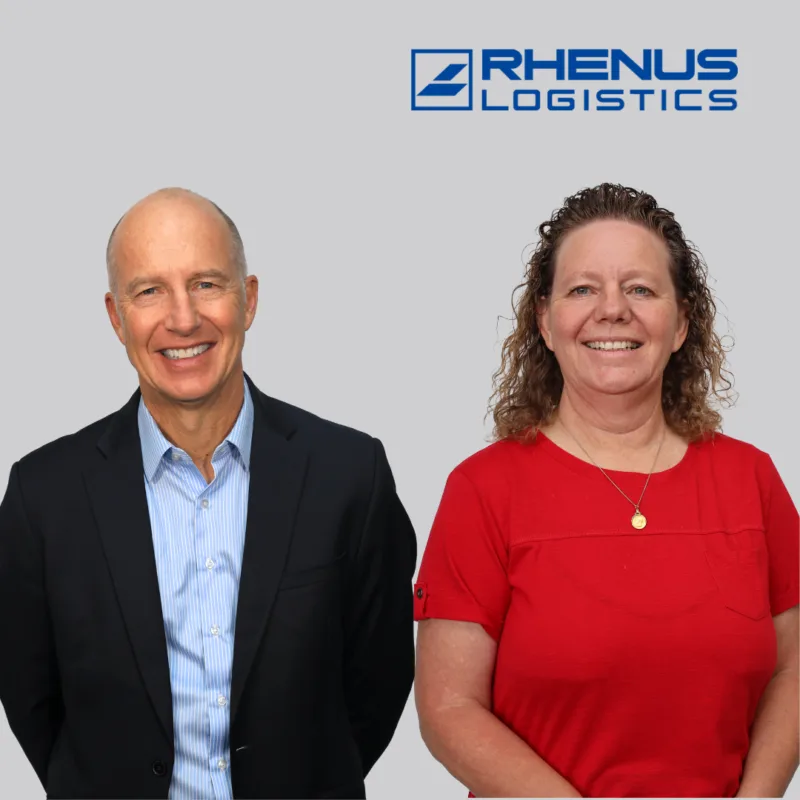
“AEO status is a valuable indicator to our current and prospective clients that we are dedicated to best practice and integrity in all our processes and procedures,” says Dirk Goedhart, Managing Director at Rhenus South Africa. “We are committed to leveraging this accreditation to enhance our services and provide even greater value to our clients by assisting them in their efforts to become AEO accredited.”
The AEO accreditation with the South African Revenue Service (Sars) process involves carefully assessing a company’s internal operations, compliance with customs rules, and security measures in the supply chain. It is part of the World Customs Organization’s (WC) efforts to improve global trade security and simplify customs procedures.
Becoming AEO accredited offers numerous benefits. Eliminating manual processes reduces human error, while simplified application procedures and electronic submissions help minimise delays. Expedited inspections, fewer customs stops, and faster refunding of claims enable companies to achieve significant cost savings. Additionally, being AEO accredited provides a competitive edge, as businesses are recognised as reliable and trustworthy traders.
“Attaining AEO Level 2 status was a landmark in our journey towards improving security, reliability and efficiency in our supply chain,” says Ansie Hefer, National Customs Manager at Rhenus South Africa. “Now that we’ve experienced firsthand the substantial benefits of the AEO initiative, our primary goal is to assist our clients in smoothly onboarding onto the programme, ensuring they too can experience the same advantages firsthand.”
“AEO status is a valuable indicator to our current and prospective clients that we are dedicated to best practice and integrity in all our processes and procedures,” says Dirk Goedhart, Managing Director at Rhenus South Africa. “We are committed to leveraging this accreditation to enhance our services and provide even greater value to our clients by assisting them in their efforts to become AEO accredited.”