Removing Structural Constrains in Inter-African Trade
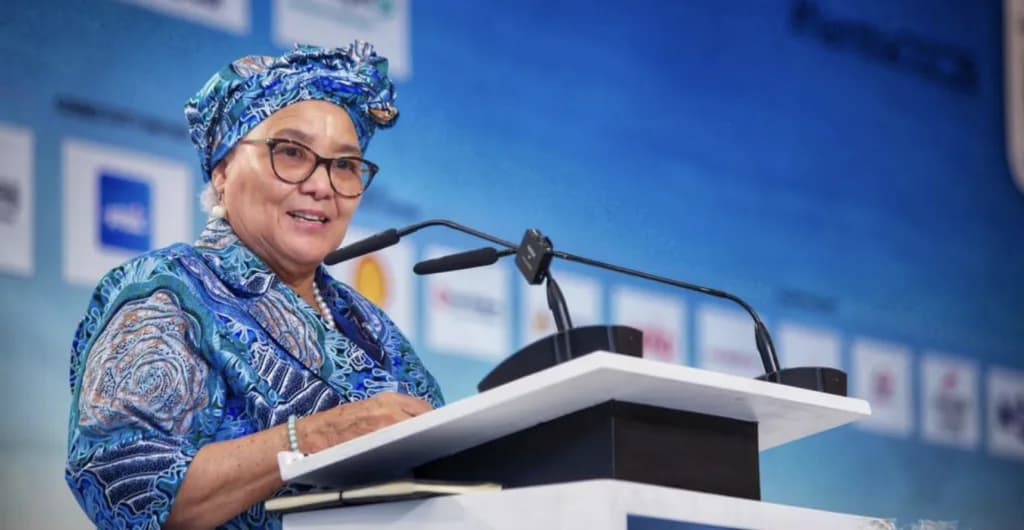
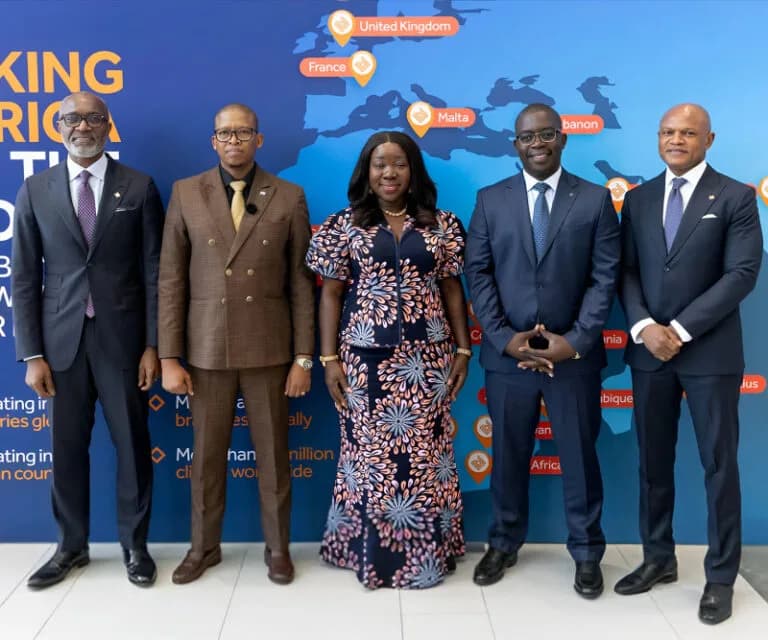
At the Access Bank Africa Trade Conference (ATC 2026) held in Cape Town, South Africa, Roosevelt Ogbonna, Managing Director and Chief Executive Officer of Access Bank Plc, delivered a clear and urgent message: Africa must move beyond aspiration and confront the structural barriers that continue to stifle intra-continental commerce. Despite a market of 1.4 billion
Removing Structural Constrains in Inter-African Trade
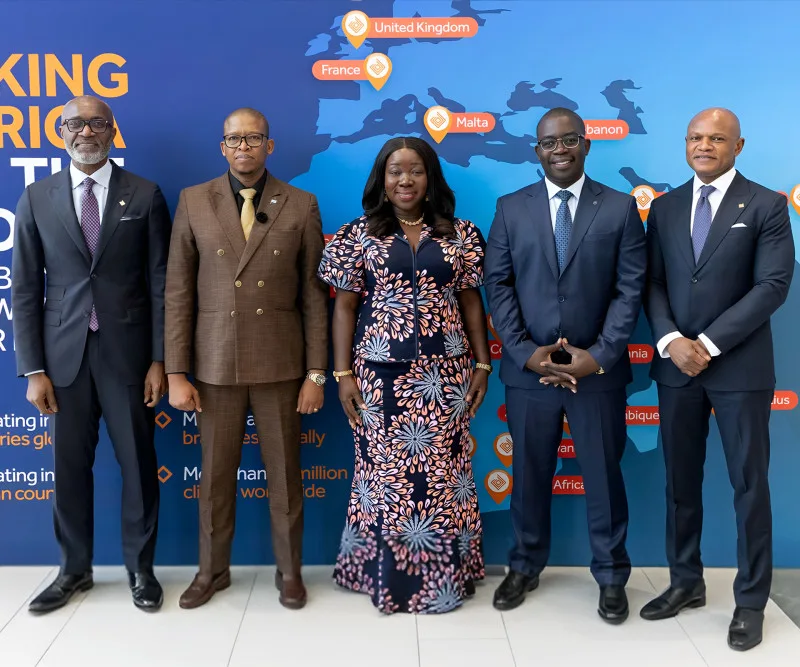
At the Access Bank Africa Trade Conference (ATC 2026) held in Cape Town, South Africa, Roosevelt Ogbonna, Managing Director and Chief Executive Officer of Access Bank Plc, delivered a clear and urgent message: Africa must move beyond aspiration and confront the structural barriers that continue to stifle intra-continental commerce. Despite a market of 1.4 billion people and a combined GDP exceeding $3.4 trillion, intra-African trade still accounts for only 15–18% of the continent’s total trade, a number far below the 60%+ seen in regions such as Asia or Europe. In 2024, intra-African trade volumes reached approximately $220.3 billion (a 12.4% increase year-on-year), yet this growth remains fragile and uneven, overshadowed by fragmented corridors, non-tariff barriers, and chronic infrastructure deficits.
The African Continental Free Trade Area (AfCFTA), now in its fifth year of implementation, offers the single largest opportunity to change this trajectory. Projections from the UN Economic Commission for Africa and Afreximbank suggest that full rollout could boost intra-African trade by 35–53% by 2045, raise continental GDP by up to 1.2%, and lift millions out of poverty through industrialisation and value addition. Yet, as Ogbonna reminded delegates, the corridors remain “more aspirational than functional,” and too many small and medium-sized enterprises (SMEs) — the backbone of African economies — are locked out of cross-border opportunities.
Focus On Specific Remedies to Promote Growth
The 2026 conference, building directly on the inaugural 2025 edition, was not about starting fresh conversations but rather focussed on how to accelerate execution. Stakeholders agreed on three foundational priorities that must now be turned into measurable action across the continent.
First: breaking down silos between policymakers, financial institutions, and businesses. For decades, trade policy has been designed in isolation from the financiers who fund transactions and the entrepreneurs who execute them. The result is a persistent trade finance gap estimated at tens of billions of dollars annually. Access Bank and other institutions have begun bridging this through innovative products, but continent-wide collaboration is required. Governments must involve banks and businesses in policy design from the outset — not as afterthoughts — to ensure rules are bankable and practical.
Second: building a trade ecosystem driven by reliable data and analytics. Decisions today are still too often based on outdated statistics or anecdotal evidence. Africa needs a unified, real-time data platform covering tariffs, standards, logistics costs, and market demand. The AfCFTA Secretariat has made strides with the Guided Trade Initiative (now covering 37 countries), but without harmonised digital reporting and analytics tools accessible to SMEs, opportunities will continue to be missed. Technology platforms for payments (such as the Pan-African Payment and Settlement System) and logistics tracking are already reducing friction in pilot corridors; scaling these continent-wide is non-negotiable.
Third: developing inclusive systems that support both large corporations and smaller businesses. Large multinationals can navigate complexity through scale and relationships, but SMEs — which represent over 80% of African businesses — lack access to affordable capital, cross-border guarantees, and simplified customs procedures. The conference highlighted the need for tiered solutions: credit guarantees for larger firms paired with micro-trade finance facilities, digital onboarding platforms, and capacity-building programmes for smaller players.
Progress Positive but Slow
Progress since the 2025 conference is visible but patchy. Emerging regional value chains in agriculture (cassava, cocoa, horticulture), manufacturing (pharmaceuticals, automotive components), and services (fintech, creative industries) are allowing African brands to cross borders and even reach global markets. Technology has been a quiet enabler: mobile money interoperability, blockchain-based trade documents, and AI-driven logistics platforms have cut transaction times and costs in select corridors. Yet gains remain concentrated in a handful of markets with South Africa, Nigeria, Kenya, Egypt, and Morocco, the main centres of trade while landlocked and smaller economies lag.
Infrastructure Hurdles Remain
Infrastructure financing emerged as a critical bottleneck. Kennedy Mbekeani, Director General for Southern Africa at the African Development Bank (AfDB), stressed that governments’ overstretched balance sheets make private capital mobilisation essential. Africa requires hundreds of billions in investment for roads, rail, ports, energy, and digital connectivity to make AfCFTA functional. Without it, even perfectly harmonised tariffs will achieve little. The AfDB and partners are pushing blended finance models, green bonds, and public-private partnerships, but execution must accelerate. Botswana’s Minister of Trade and Entrepreneurship, Tiroeaone Ntsima, offered a compelling reframe: his country is shifting its self-perception from “landlocked” to “land-linked,” actively building corridors that connect regional markets. Similar mindset shifts and investments are needed everywhere.
Policy Inconsistencies Prevail
On the policy front, ministers painted a consistent picture. Zambia’s Minister of Commerce, Trade and Industry, Chipoka Mulenga, emphasised that policy must be “consistent, resilient and coherent.” Countries should leverage comparative advantages rather than compete destructively. Ghana’s Minister for Trade, Agribusiness and Industry, Elizabeth Ajare, was blunt: “Africa does not lack policies; we already have many. Our challenge is implementation in a harmonised manner.” She called for mutual recognition of standards and certifications — if one country’s quality assurance is trusted, others should accept it without redundant testing. Insisting on independent verification for every product simply kills momentum. Ajare also urged compromise: no single nation can demand perfection from others if the collective goal is faster trade.
Structural Shifts Sought By Members
These insights point to four concrete structural adjustments required across the continent if inter-African trade is to scale meaningfully.
- Harmonise and digitise trade rules. Full implementation of AfCFTA protocols on rules of origin, tariff schedules, and non-tariff barriers must move from paper to practice. Digital single windows for customs, mutual recognition agreements for sanitary and phytosanitary standards, and a continental database for certificates of origin would slash delays and costs. The current patchwork of regional economic communities (RECs) often creates overlapping and contradictory requirements; rationalising these is urgent.
- Massively scale infrastructure and energy investment. Prioritise high-impact projects: upgrading key corridors (Lobito, Northern, Maputo), modernising ports (Durban, Mombasa, Lagos), and expanding renewable energy to power industrial hubs. Private capital must be attracted through clear regulatory frameworks, de-risking instruments, and bankable project pipelines. Without reliable power and efficient logistics, value addition remains a dream.
- Expand inclusive financing and SME support. Banks, development finance institutions, and fintechs must collaborate on tailored products: supply-chain finance, export credit guarantees, and currency convertibility solutions (Africa still wastes billions annually on third-currency conversions). Capacity-building programmes should teach SMEs how to use AfCFTA preferences, comply with standards, and access digital platforms.
- Foster data-driven decision-making and monitoring. Establish a continental trade observatory with open-access analytics. Governments and businesses need real-time visibility into trade flows, barriers, and opportunities to adjust policies dynamically. This will also build trust — a missing ingredient in many cross-border relationships.
Clear Path Forward But Lacking Momentum
The path forward is clear but demands urgency. As Ogbonna concluded, the conference must not become “another talking shop” but the birthplace of a continent-wide movement. Africa’s economic transformation hinges on the willingness of governments, financiers, and businesses to collaborate effectively and deliver tangible results.
With global trade realignments, supply-chain disruptions, and shifting geopolitics creating both risks and opportunities, the timing could not be better. By systematically removing the structural constraints — fragmented corridors, financing gaps, policy inconsistencies, and infrastructure deficits — Africa can finally translate its vast market potential into shared prosperity. The tools exist. The frameworks are in place. What remains is execution at scale.
The ATC 2026 delegates left Cape Town with a shared conviction: the next five years will determine whether AfCFTA becomes a historic success or another unfulfilled promise. The choice, and the responsibility, lies with every policymaker, financier, and business leader across the continent.