Provincial Pockets: Gauteng and KZN's Billion-Rand Betrayal?
While numerous Gauteng's suburbs taps run dry and KwaZulu-Natal's roads crumble into oblivion, the freshly released Statistics South Africa Provincial Financial Statistics 2025 report, exposes a provincial spending scandal that prioritises bloated bureaucracies over basic needs. In the economic powerhouses of South Africa, Gauteng with its R160.3 billion total expenditure and KZN at R150.9 billion,
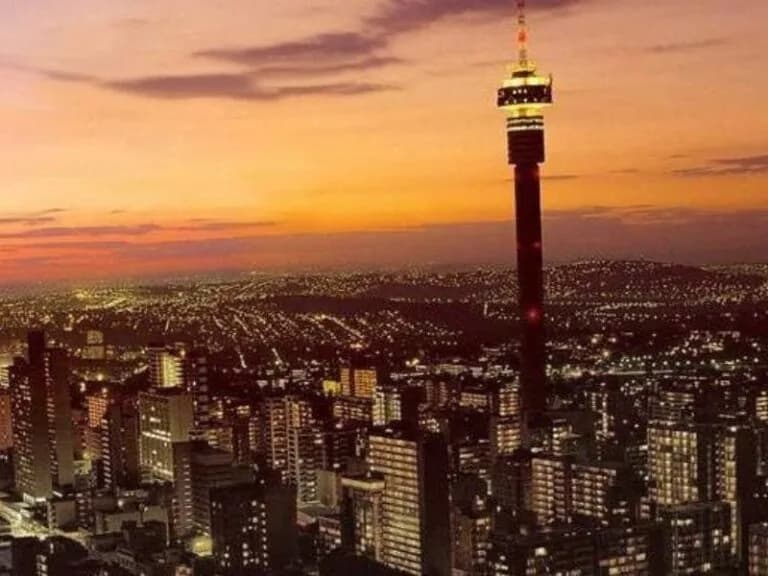
Johanneburg - A city of Neglect
While numerous Gauteng’s suburbs taps run dry and KwaZulu-Natal’s roads crumble into oblivion, the freshly released Statistics South Africa Provincial Financial Statistics 2025 report, exposes a provincial spending scandal that prioritises bloated bureaucracies over basic needs.
In the economic powerhouses of South Africa, Gauteng with its R160.3 billion total expenditure and KZN at R150.9 billion, the numbers scream misalignment of priorities with salaries soaring while infrastructure stagnates, leaving communities in the lurch.
The national picture sets a grim stage, with provincial expenses hitting R741.7 billion in 2023/2024, up 5.0% from R706.7 billion. Yet, compensation of employees swallows R450.5 billion (60.8% of total), rising 5.1% amid provincial fiscal strain.
Purchases of non-financial assets; infrastructure like roads and water systems edged up 6.9% to R37.5 billion, but this pales against salary dominance. Nationally, transport equipment (often vehicles for officials) surged 19.9% to R3.2 billion, while housing and community amenities dipped 1.8% to R22.3 billion, with zero capital allocated for water supply upgrades or maintenance.
Gauteng Breakdown
Zooming into Gauteng, the province’s R160.3 billion spend (up 6.5%) masks deep flaws. Salaries ballooned 6.9% to R92.5 billion from R86.6 billion, outstripping inflation and dwarfing infrastructure’s modest 4.2% rise to R5.8 billion. This R92.5 billion payroll—57.7% of Gauteng’s budget—fuels criticism that officials are insulated while residents suffer. A recent report revealed a R1.8 billion underspend in 2024/2025, attributed to inefficiencies, yet salaries remain unscathed.
Table 1: Gauteng Spending Breakdown (R million)
Functionally, Gauteng’s priorities skew further. Economic affairs (including transport) jumped 21.5% to R12.0 billion, potentially padding official fleets amid road disrepair. Public order and safety nearly doubled (99.2%) to R2.4 billion, hinting at enhanced protection for elites while crime in communities has soared.
Meanwhile, housing and community amenities fell 6.1% to R6.0 billion, exacerbating water crises where suburbs endure weeks without supply due to failing infrastructure. The Gauteng Provincial Legislature has flagged serious concerns over municipalities like Merafong, plagued by electricity outages and water shortages. A 13-point plan to fix infrastructure and combat construction mafias was rolled out recently, but critics question its timing amid ongoing failures.
KZN Breakdown
In KwaZulu-Natal, the story echoes with even starker contrasts. Salaries climbed 4.1% to R95.2 billion—the nation’s highest—from R91.4 billion, consuming 63.1% of the R150.9 billion total (up 3.6%). Infrastructure? A paltry 1.5% increase to R7.3 billion, barely moving the needle on pothole-riddled roads and flood-prone communities. The education department alone devours over 80% of its budget on salaries, leaving scant for classrooms or maintenance.
Table 2: KwaZulu-Natal Spending Breakdown (R million)
KZN’s economic affairs inched up 0.3% to R16.1 billion, insufficient for infrastructure ravaged by floods. Housing and community amenities dropped 1.5% to R4.5 billion, while environmental protection rose 9.2% to R1.5 billion—but not enough to stem pollution or water woes. Municipalities like uMkhanyakude face administration due to service failures, with budget cuts threatening operations. Protests over water and roads highlight the chasm, as one analysis notes critical funding challenges in the legislature.
Table 3: Infrastructure vs. Salaries Comparison (2023/2024, % of Total Expenditure)
This table illustrates the imbalance: in both provinces, salaries claim over 57% of budgets, while infrastructure hovers below 5%. Nationally, grants dominate revenue (96.2%), but local taxes—R18.6 billion—fund this lopsided system without commensurate value.
Realignment Unlikely but Local Elections Loom
Experts decry the pattern. The Auditor-General warns of inefficiencies pressuring finances, urging a shift from “no-consequence culture.” In Gauteng, an efficiency drive aims to trim baselines, but underspends suggest poor execution. In Johannesburg, a sudden surge of maintenance has commenced around OR Tambo and city major routes, driven by the upcoming G20 meeting scheduled for later this year, and not by provinces prioritising residents wellbeing.
KZN’s strategic plan touts infrastructure as key, yet salary-heavy budgets contradict this. President Ramaphosa ironically slams failures as rights infringements, calling for service over self-interest and yet has overseen the decline of services under his leadership.
However, whatever the rhetoric from politicians, it is always the residents who bear the brunt. In Gauteng, water outages violate dignity; in KZN, failing roads hinder economies. Protests cost billions, fueled by coalition instability and mismanagement. The National Treasury’s May 2025 overview has allocated trillions for infrastructure, but provincial execution has lagged leaving communities in desperation.
This isn’t fiscal prudence—it’s a betrayal. Gauteng and KZN, twin engines of SA’s economy, must realign: cap salaries, boost infrastructure, and deliver for taxpayers. The disconnected administration however will soon face the reality of their disconnect with communities with regional elections just around the corner.