Powering Progress: Mission 300 Milestone Unlocks Massive Business Opportunities Across Africa
The African Development Bank Group (AfDB), in partnership with the World Bank Group and a coalition of stakeholders, has delivered a significant breakthrough in Africa’s energy sector. As announced in their June 16, 2026 press release, Mission 300, the ambitious joint initiative launched in 2024 to connect 300 million Africans to electricity by 2030, has
Powering Progress: Mission 300 Milestone Unlocks Massive Business Opportunities Across Africa
The African Development Bank Group (AfDB), in partnership with the World Bank Group and a coalition of stakeholders, has delivered a significant breakthrough in Africa’s energy sector. As announced in their June 16, 2026 press release, Mission 300, the ambitious joint initiative launched in 2024 to connect 300 million Africans to electricity by 2030, has already provided access to over 50 million people across 40 countries. This milestone represents a doubling of the previous pace of electrification and highlights a new era of coordinated, results-driven action that has implications far beyond providing basic lighting.
For businesses and entrepreneurs across the continent, this progress is not merely a development story. Rather it is a powerful catalyst for economic transformation. Reliable electricity fundamentally reshapes operating environments, enabling scalability, innovation, and market expansion in sectors ranging from manufacturing and retail to digital services and last-mile logistics.
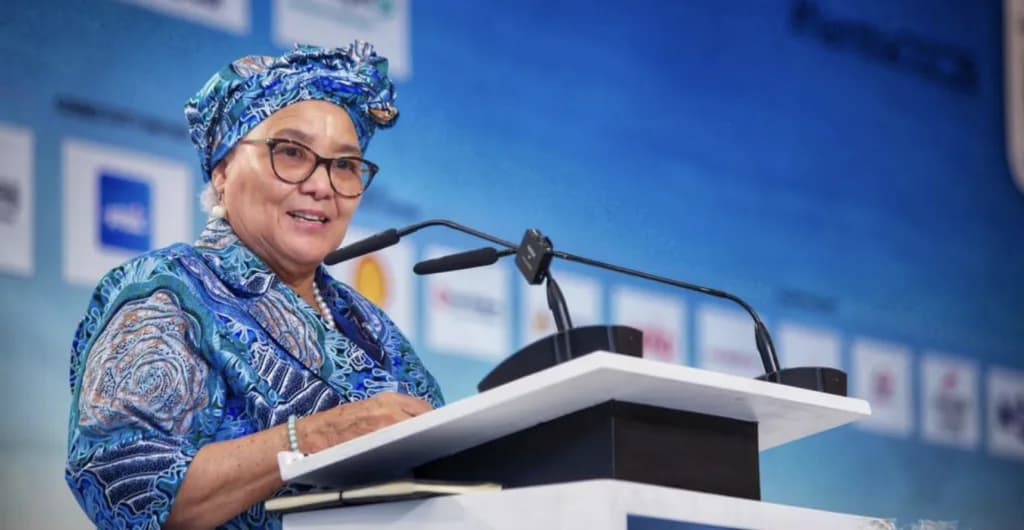
As AfDB President Sidi Ould Tah emphasised, “This must become the launchpad for faster electrification to enhance food security… increase capacity to store medicines… and spur more inclusive economic and social empowerment.”
Results Already Tangible in Tanzania
The initiative’s impact is already visible on the ground. In Tanzania, an additional 7.5 million people have gained access, a remarkable five-fold increase in the average annual pace of electrification. Ethiopia has connected 4.6 million, supported by reforms and infrastructure improvements, making grid connections more affordable. In Nigeria, private sector-led efforts have brought power to over 4.5 million people, demonstrating how properly focussed public-private collaboration creates commercially viable markets.
Economic Multiplier Effects for Businesses
Improved electricity access directly lowers operational costs and unlocks higher productivity. Previously, unreliable power forced many small to medium sized businesses (SME’s) to rely on expensive diesel generators, inflating costs and limiting hours of operation. With greater grid and off-grid reliability, businesses can now run extended shifts, maintain cold chains for perishables, and invest in energy-intensive equipment without prohibitive fuel expenses.
This creates ripple effects across supply chains. Manufacturers of electronic goods, from smartphones and solar-powered appliances to computers and household devices, now stand to benefit enormously. As more households and businesses gain reliable power, demand for these products surges. Local assembly and distribution companies can scale production, while importers and retailers tap into growing consumer markets. The reduction in energy poverty also stimulates broader consumption, as electrified households allocate savings from avoided kerosene purchases or generator fuel and maintenance costs toward other goods and services.
Digital Transformation and Market Access
Electricity is the backbone of the digital economy. With better power, SMEs gain consistent internet connectivity, enabling wider adoption of digital marketing, e-commerce platforms, and online sales channels. This is particularly transformative for businesses in secondary cities and rural areas, which can now reach national and even regional markets under the AfCFTA trade agreement, without physical infrastructure barriers.
Entrepreneurs are enabled by leveraging affordable digital tools for inventory management, customer engagement via WhatsApp Business or social platforms, and data-driven decision-making. Online marketplaces expand when sellers and buyers have reliable power for devices and logistics coordination. For content creators, ed-tech providers, and fintech innovators, stable electricity means uninterrupted service delivery, which is a critical advantage in competitive markets.
Logistics and Mobility Revolution
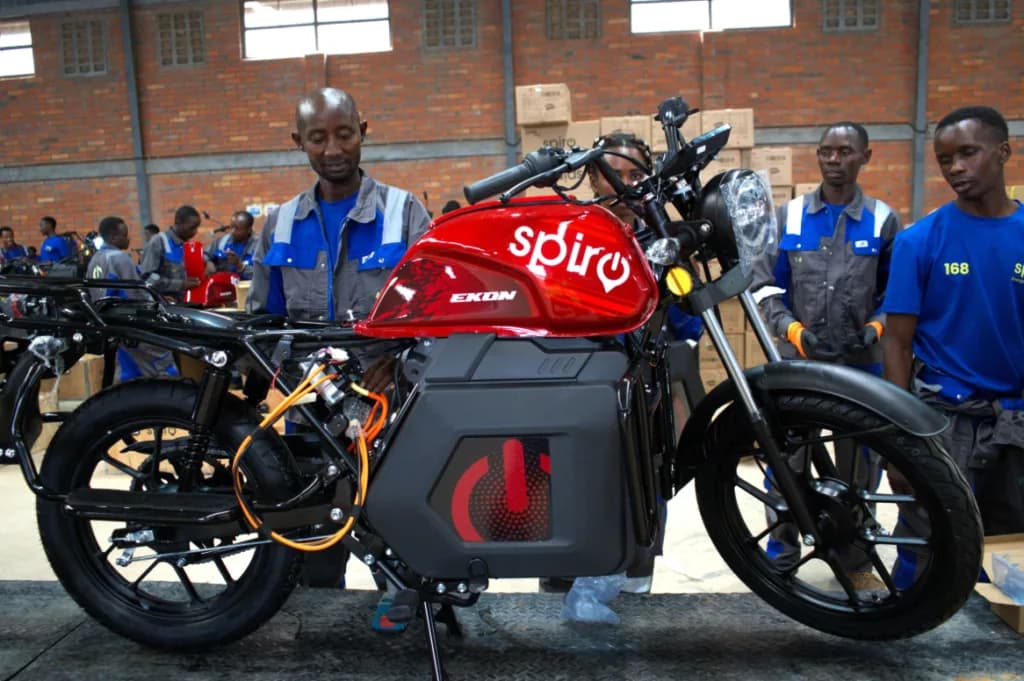
One of the most dynamic opportunities lies in transport and delivery services. E-bikes and electric motorcycles are gaining rapid popularity across Africa for last-mile delivery, especially in congested urban areas and rural routes. Reliable charging infrastructure, powered by expanding grids and mini-grids, removes a major adoption barrier. Delivery startups and established logistics firms can deploy larger fleets of electric vehicles, cutting fuel costs dramatically while meeting growing demand from e-commerce and agri-business.
This shift supports sustainability goals and creates jobs in maintenance, charging station networks, and battery swapping services. In countries like Kenya, Nigeria, and South Africa, e-mobility players are already expanding; Mission 300’s progress accelerates this trend continent-wide.
Broader Ecosystem Opportunities
The energy improvements extend to productive uses that stimulates business growth. Agri-processing facilities can operate cold storage and machinery efficiently, reducing post-harvest losses and enabling value addition. Health-tech and pharmaceutical distributors benefit from reliable refrigeration for medicines. Education and skills development businesses expand to build an array of educational platforms, from coding bootcamps to vocational training centres which can run computer labs and online programmes without disruption.
Public-private partnerships under Mission 300 are de-risking investments. With nearly $15 billion committed by the AfDB and World Bank Group, plus $4.5 billion in co-financing and over $7 billion from other partners, the initiative is creating bankable projects. Thirty countries have launched National Energy Compacts, with more expected, providing policy clarity and investment frameworks that savvy businesses can leverage.
Ajay Banga, President of the World Bank Group, captured the enabling power succinctly: “Electricity is not just about power. It is about what it enables: jobs, business, health care, education, and opportunity.”
Strategic Imperatives for African Businesses
The 50 million milestone is impressive, but the real prize lies ahead. With Mission 300 targeting 300 million connections by 2030 and delivering at double the previous pace, the business landscape is shifting rapidly. Companies that align their strategies with this energy transformation will be best positioned to capture growth in Africa’s evolving economy.
As partners continue to align under this “new way of doing business,” the continent edges closer to a future where reliable power is no longer a constraint but a foundation for widespread prosperity. African entrepreneurs who seize these opportunities today will be in a position to drive the job creation, innovation, and inclusive growth the continent urgently needs.