Angola restarts local vehicle assembly in Luanda with Opaia Motors
Opaia Motors has opened Angola’s first fully active vehicle assembly plant in Luanda Angola, bringing local vehicle production back after years of inactivity. The project is being driven by the privately owned Opaia Group, a Luanda-headquartered conglomerate best known for infrastructure development. Opaia says the new facility strengthens Angola’s automotive manufacturing base and supports the
Angola restarts local vehicle assembly in Luanda with Opaia Motors
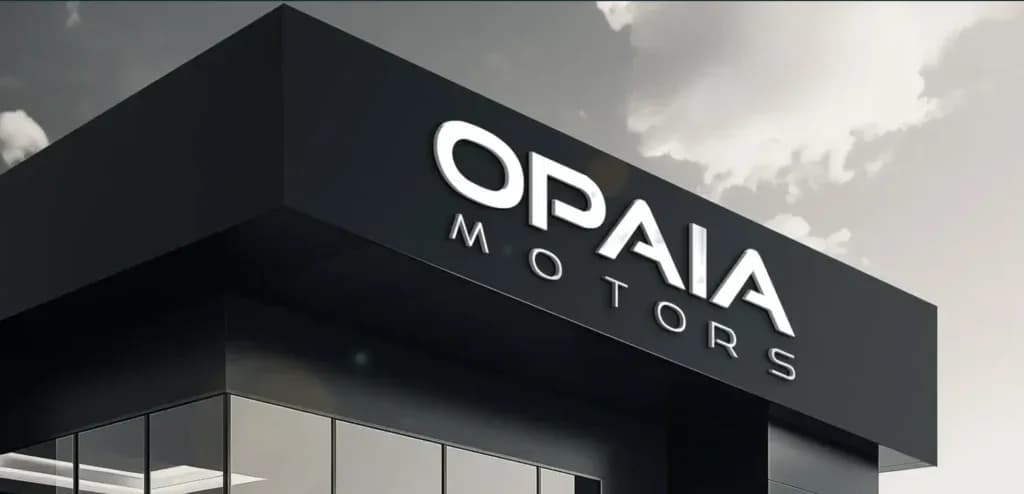
Opaia Motors has opened Angola’s first fully active vehicle assembly plant in Luanda Angola, bringing local vehicle production back after years of inactivity. The project is being driven by the privately owned Opaia Group, a Luanda-headquartered conglomerate best known for infrastructure development. Opaia says the new facility strengthens Angola’s automotive manufacturing base and supports the country’s wider industrial ambitions.
Capacity targets and supply strategy
The company says the plant can produce up to 22,000 passenger vehicles and 1,000 buses per year, giving it a strong footprint in Angola’s transport market. Opaia will source passenger vehicles from China through partnerships with manufacturers such as Chery and Dongfeng Motor, then assemble and sell them locally under the Opaia Motors brand. For buses, Opaia will work with Sweden’s Volvo, importing units from Sweden to support fleet and public transport demand.
Vehicle assembly has existed in Angola before. A China-funded plant was established more than a decade ago, but the operation later stalled as economic conditions weakened. Opaia brought the project back to life after acquiring the earlier plant’s assets, creating a new base for local assembly. Beyond serving domestic buyers, the company has pointed to export potential and plans to introduce electric vehicle production, although it has not shared a timeline.
What this means for Angola
Angola still imports most of its vehicles, so the Luanda plant offers a practical route to strengthen local manufacturing, create jobs, and reduce dependence on imports. It also supports broader efforts to diversify an economy that remains heavily tied to oil revenues. If production scales as planned and supply partnerships remain stable, Opaia Motors could become a meaningful player in Angola’s transport and industrial landscape.