Nigeria's Central Bank Tightens Grip on Fintech companies
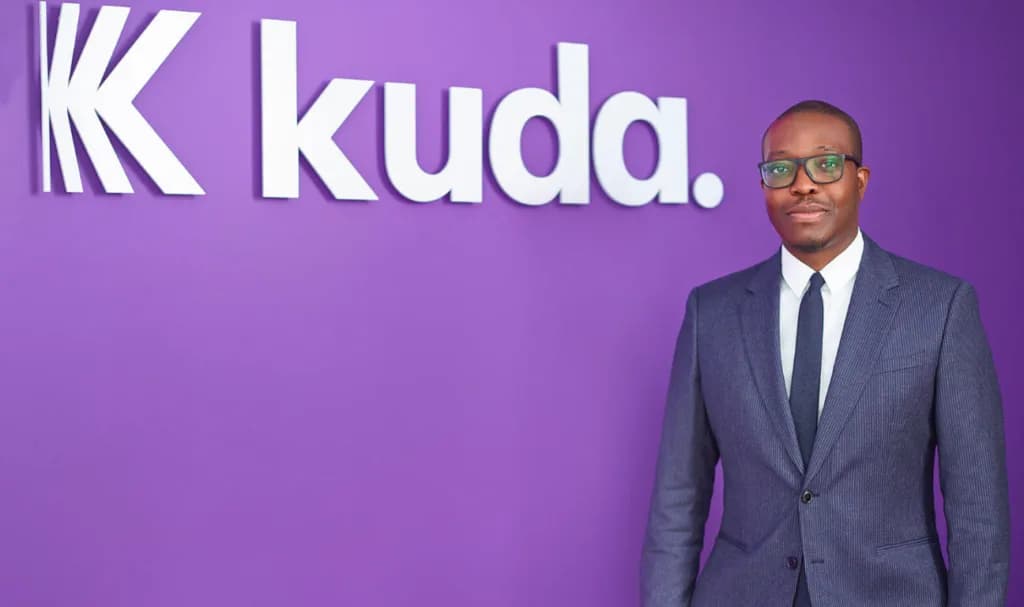
The Central Bank of Nigeria (CBN) has reportedly issued directives to leading fintech firms, including Moniepoint, OPay, Kuda Bank, and Palmpay, instructing them to suspend new account openings. This move follows the recent freezing of 1,146 bank accounts allegedly involved in unauthorized forex transactions, marking a concerted effort to curb illicit financial activities. As of

Nigeria's Central Bank Tightens Grip on Fintech companies

The Central Bank of Nigeria (CBN) has reportedly issued directives to leading fintech firms, including Moniepoint, OPay, Kuda Bank, and Palmpay, instructing them to suspend new account openings. This move follows the recent freezing of 1,146 bank accounts allegedly involved in unauthorized forex transactions, marking a concerted effort to curb illicit financial activities.
As of the latest reports, attempts to create new accounts with these fintech platforms have been met with notifications stating, “Sign up is currently unavailable. Please check back later.” However, existing account holders can continue to conduct transactions as usual, both incoming and outgoing.
The Nigerian government’s crackdown on financial fraud has gained momentum in recent months. On April 26, 2024, a Federal High Court granted an interim order, at the request of the Economic and Financial Crimes Commission (EFCC), to freeze over 1,000 bank accounts suspected of facilitating illegal foreign exchange dealings. The investigation spans allegations of money laundering and terrorism financing, underscoring the severity of the issue.
This directive echoes similar actions taken previously by financial institutions to safeguard against fraud. Last October, Fidelity Bank restricted transactions with fintech companies such as Moniepoint, Kuda, OPay, and PalmPay, mentioning concerns over escalating fraudulent activities. Moreover, in December 2023, OPay and PalmPay implemented stringent identity verification measures, mandating the use of National Identity Numbers (NIN) and Bank Verification Numbers (BVN) to deter fraudulent account openings.
The CBN has been proactive in combating financial irregularities, issuing directives to freeze bank accounts lacking BVN or NIN links by April 2024 to enhance financial system integrity. Furthermore, the granting of a Payment Terminal Service Aggregator (PTSA) license to Unified Payments Services Limited on April 26, 2024, underscores the regulator’s commitment to curbing financial crime and ensuring market stability.
According to the CBN’s Financial Stability Report for June 2022, published in December 2022, the number of Bank Verification Numbers (BVNs) flagged for fraudulent activities saw a significant uptick, with 6,047 BVNs added to the watch list, reflecting a 13.9% increase from the previous year. Additionally, 11,871 BVNs were identified as belonging to deceased individuals in 2022, underscoring the multifaceted challenges in combating financial misconduct.