Nigeria Outlines Fiscal Strategy: President Tinubu Aims to Reduce Budget Deficit, Navigate Economic Reforms, and Sustain Fiscal Discipline
President Bola Tinubu has revealed Nigeria's fiscal plan for the coming year, targeting a reduction in the budget deficit to approximately 3.9% of the GDP, down from this year's 6.1%. The president's ambitious reforms include the removal of the fuel subsidy and the elimination of foreign exchange controls, both contributing factors to the country's recent
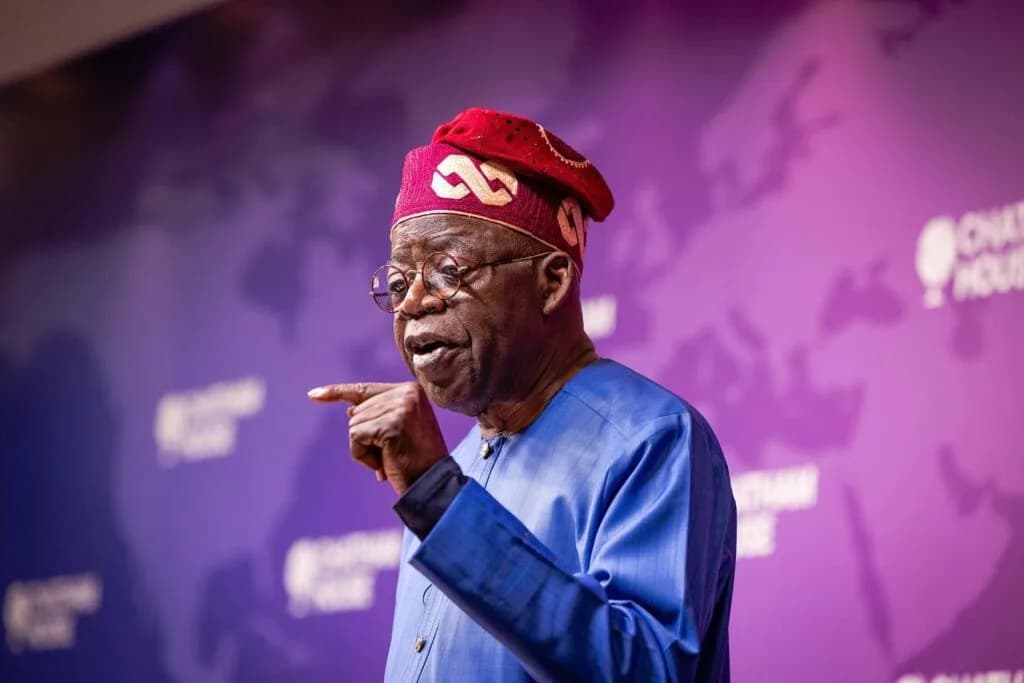
Nigeria Outlines Fiscal Strategy: President Tinubu Aims to Reduce Budget Deficit, Navigate Economic Reforms, and Sustain Fiscal Discipline"
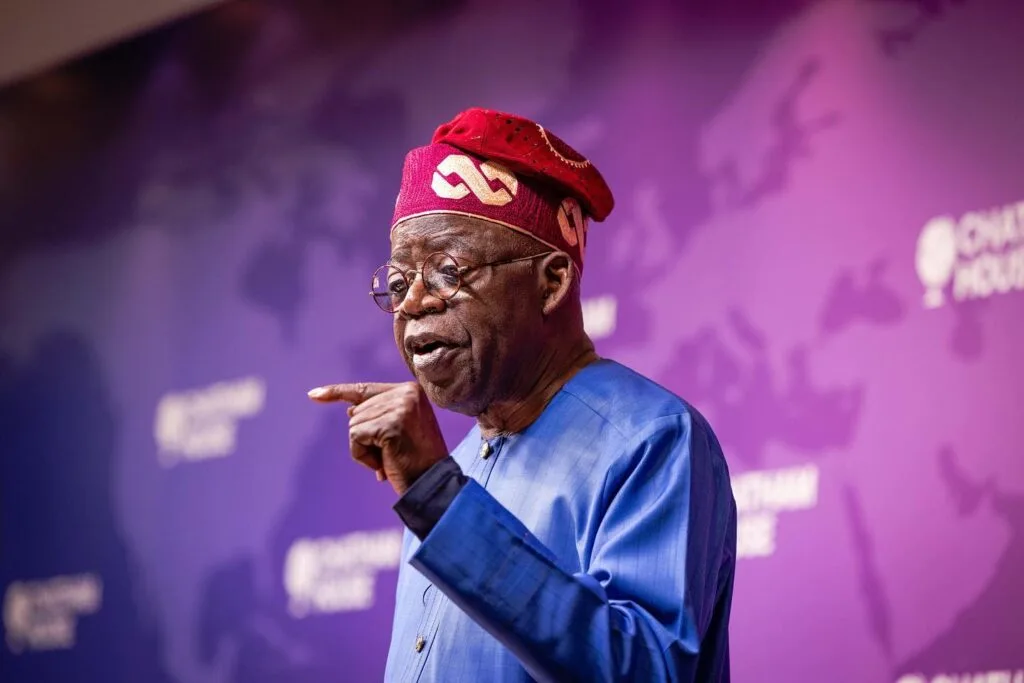
President Bola Tinubu has revealed Nigeria’s fiscal plan for the coming year, targeting a reduction in the budget deficit to approximately 3.9% of the GDP, down from this year’s 6.1%. The president’s ambitious reforms include the removal of the fuel subsidy and the elimination of foreign exchange controls, both contributing factors to the country’s recent surge in inflation. As Tinubu endeavours to strike a balance between mitigating the impact of inflation and subsidy removal while maintaining prudent spending, he anticipates lower borrowing costs and increased revenues, projecting higher oil production and tax collection.
Presenting a budget of 27.5 trillion naira ($34.85 billion) for the next year, Tinubu emphasized the government’s commitment to meeting debt obligations, with projected debt service accounting for 45% of expected total revenue. The spending priorities outlined in the budget encompass security, infrastructure development, and measures to alleviate the cost-of-living crisis.
Tinubu remains optimistic about the economic outlook, forecasting a growth rate of at least 3.76% in the coming year, with a targeted moderation of inflation to 21.4%. However, analysts caution that the government’s revenue projections may be overly optimistic, and they highlight potential risks tied to global oil prices and crude production.
To achieve the deficit reduction goal, the government faces challenges, including following through on its commitment to eliminate the petrol subsidy and allowing the market to determine the exchange rate. Bismarck Rewane, the managing director of Lagos-based Financial Derivatives Company, suggests that adjusting petrol prices and allowing exchange rate flexibility will be crucial for realizing the deficit figure.
Tinubu takes charge of an economy grappling with high debt levels, low revenue collections, and significant security concerns, including a persistent insurgency in the northeast and kidnappings for ransom in the northwest. The success of the outlined fiscal strategy will play a pivotal role in shaping Nigeria’s economic trajectory in the coming years.