Niger Signs US$1.9 Billion Deal for New Oil Refinery and Petrochemical Complex
Niger has signed an agreement with Canadian group Zimar Inc. to build a 100,000-barrel-per-day oil refinery and petrochemical complex in Dosso. The project is estimated to require US$1.9 billion in investment and is intended to increase domestic fuel production and reduce the country’s reliance on imported refined products. The agreement was signed on 15 August
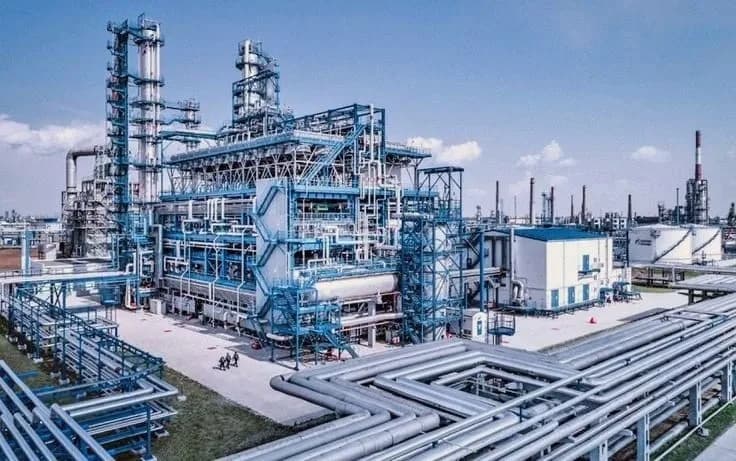
Niger Signs US$1.9 Billion Deal for New Oil Refinery and Petrochemical Complex
Niger has signed an agreement with Canadian group Zimar Inc. to build a 100,000-barrel-per-day oil refinery and petrochemical complex in Dosso. The project is estimated to require US$1.9 billion in investment and is intended to increase domestic fuel production and reduce the country’s reliance on imported refined products. The agreement was signed on 15 August 2026. Niger’s Foreign Minister Bakary Yaou Sangaré said the project will be developed over 16 years, including three years of construction and 13 years of operations.
Zimar will finance, build and operate the facility before transferring it to the Nigerien state. The project will use a public-private partnership (PPP) under a build-operate-transfer model.
Zimar to Develop and Operate Refinery
Under the agreement, Zimar will be responsible for financing and developing the refinery and associated energy infrastructure. The Canadian group will then operate the facility during the agreed period before transferring ownership to the Nigerien government.
Zimar has four months to secure financing and complete the detailed engineering design. Financial close is expected within 12 months of the agreement being signed. The project is expected to create thousands of direct and indirect jobs, with Zimar also planning to train Nigerien workers. Earlier plans included working with local institutions to develop technicians and engineers who can support the country’s growing energy sector.
The agreement follows a memorandum of understanding signed by Niger and Zimar in October 2024. Niger subsequently reviewed the initial project plans, leading to changes in the refinery’s specifications. The project was also redesigned as a conventional refinery rather than the modular facility initially proposed.
Refinery Targets Domestic Fuel Supply
Niger began producing oil in the early 2010s and started exporting crude in January 2024, mainly to China. The government estimates the country’s oil reserves at about 853 million barrels, while the Kafra basin is believed to have potential resources of around 2.7 billion barrels.
Sangaré said the refinery agreement forms part of Niger’s efforts to process more of its crude domestically and expand its industrial capacity.
Niger currently has one refinery, Société de Raffinage de Zinder (SORAZ), in the southern region of Zinder. The refinery has operated since January 2012 and has a processing capacity of 20,000 barrels per day. Limited refining capacity has contributed to fuel supply pressures in the country. Fuel shortages have affected products including petrol and diesel, while domestic consumption has increased following fuel-price reductions introduced by the government.
Dosso Refinery Could Supply Regional Markets
The new facility is expected to increase Niger’s ability to meet domestic demand for refined fuel. It could also create capacity to supply neighbouring countries. Zimar Chief Executive Benjamin Day Marc said the project would allow Niger to produce fuel locally using domestic crude.
“This refinery will end Niger’s dependence on supplies from abroad. Once it begins operations, the fuels that power Niger’s trucks, tractors and generators will be Nigerien products, refined on Nigerien soil, from Nigerien crude, by Nigeriens,” Marc said, according to Niger’s official news agency ANP.