Natural Diamond Sales Decline as Consumers Turn to Affordable and Eco-Friendly Alternatives
The natural diamond market is experiencing significant pressure as consumers increasingly opt for more affordable and environmentally friendly alternatives. This shift is evident in the latest sales figures from the De Beers Group, which announced a drop in the value of rough diamond sales for the fifth sales cycle of 2024. Sales fell to $315
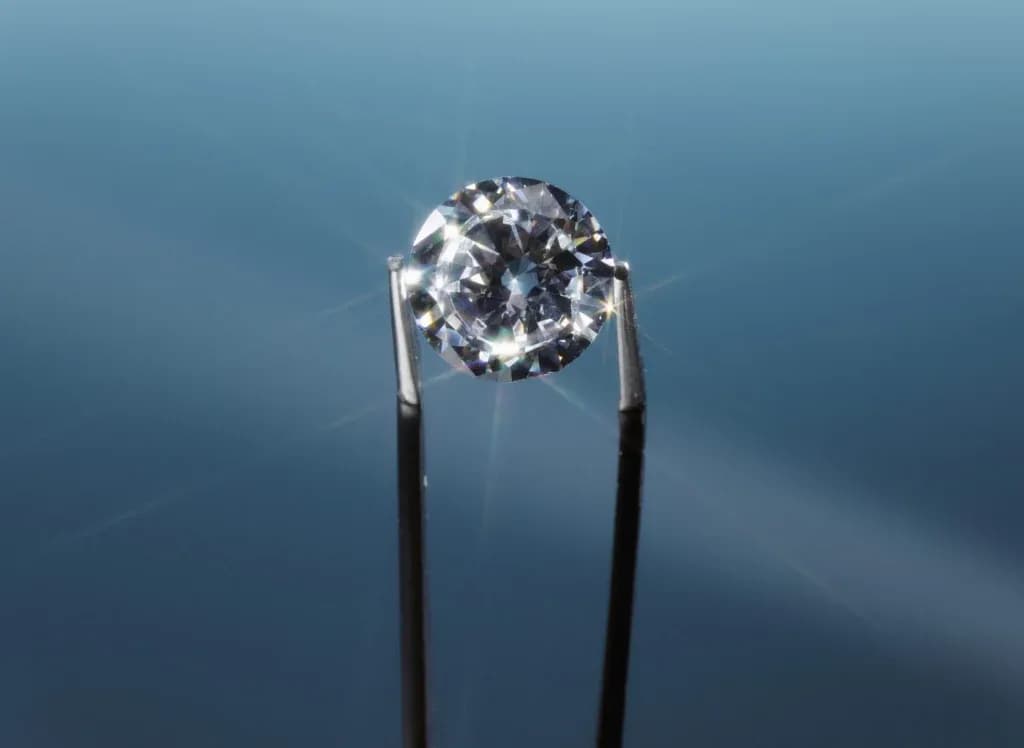
Natural-Diamond-Sales-Decline-as-Consumers-Turn-to-Affordable-and-Eco-Friendly-Alternatives
The natural diamond market is experiencing significant pressure as consumers increasingly opt for more affordable and environmentally friendly alternatives. This shift is evident in the latest sales figures from the De Beers Group, which announced a drop in the value of rough diamond sales for the fifth sales cycle of 2024. Sales fell to $315 million (R5.79 billion), down from $383 million (R7.04 billion) in the previous cycle.
De Beers Group CEO Al Cook noted the seasonal impact on sales: “The northern summer is generally a quieter period for rough diamond sales, and this was reflected in our cycle 5 sales.” He added that while there was renewed interest in natural diamonds at the recent JCK jewellery show in Las Vegas, economic challenges in China suggest a slow recovery in demand.
The decline in natural diamond sales is part of a broader trend. In the same sales cycle last year, sales were $450 million (R8.15 billion), down from $650 million (R11.77 billion) in 2022. Consumers are increasingly choosing cheaper and more ethical alternatives, with lab-grown diamonds posing the most significant threat to the natural diamond industry.
According to Statista, the market value of lab-grown diamonds was over $20 billion (R362.25 billion) in 2021 and is projected to nearly triple to $52 billion (R941.86 billion) by 2030. In 2024 alone, global sales of lab-grown diamond jewellery are expected to reach $18 billion (R326 billion), with $11 billion (R199.24 billion) of this replacing natural diamond sales.
Peter Major, director of mining at Modern Corporate Solutions, described the situation as a major challenge for the industry: “This is probably the scariest threat diamond mining has faced in the past 100 years.” He emphasized that for the first time in over a century, diamond miners like De Beers and its parent company, Anglo American, do not have control over the market and cannot raise prices at will.
In an effort to stimulate sales, De Beers cut the price of its diamonds by 10% in January after supply halted in the second half of 2023. Despite these efforts, diamond prices remain under pressure as consumers increasingly prefer lab-grown alternatives. These synthetic diamonds, which are nearly indistinguishable from natural ones and have the same hardness, are much more affordable. For instance, a 1-carat natural diamond costs around R115,000, while a lab-grown diamond of the same size costs only R18,400.
Sustainability and ethical concerns are also driving the demand for lab-grown diamonds. While the natural diamond sector in South Africa, supported by strict certification protocols from the Gemological Institute of America (GIA) and the South African Diamond and Precious Metal Regulator, has reduced environmental concerns and unethical trading, the pressure from climate-conscious consumers continues to grow.
Cape Diamonds highlighted the ongoing debate over the sustainability of natural versus lab-grown diamonds, noting that both have carbon footprints resulting from their creation, transportation, and refinement. They also pointed out that with the move towards carbon-neutral mining operations, the future of ethically sourced, environmentally conscious natural diamonds is already emerging.
As the industry adapts to these changes, it remains to be seen how traditional diamond companies will navigate the increasing popularity of lab-grown diamonds and the growing demand for sustainable and ethical products.
Main Image: Fortune