Namibia Powers Africa’s Green Economy with First Ever Zero-Emission Iron Production
A New Era for Africa’s Industrial Development By championing green industrialization, Namibia sets a bold example for the rest of Africa by scaling sustainable economic growth. Meanwhile, while the world is currently fighting a battle with constricted energy resources and a climate crisis, Africa has the unique opportunity to shift its industrial paradigm using clean
Namibia Powers Africa’s Green Economy with First Ever Zero-Emission Iron Production
A New Era for Africa’s Industrial Development
By championing green industrialization, Namibia sets a bold example for the rest of Africa by scaling sustainable economic growth. Meanwhile, while the world is currently fighting a battle with constricted energy resources and a climate crisis, Africa has the unique opportunity to shift its industrial paradigm using clean resources and innovation. Not only that, but Namibia is leading the charge, proving that green development is not merely wishful thinking; it is reality.
Green Hydrogen and the Power of Innovation
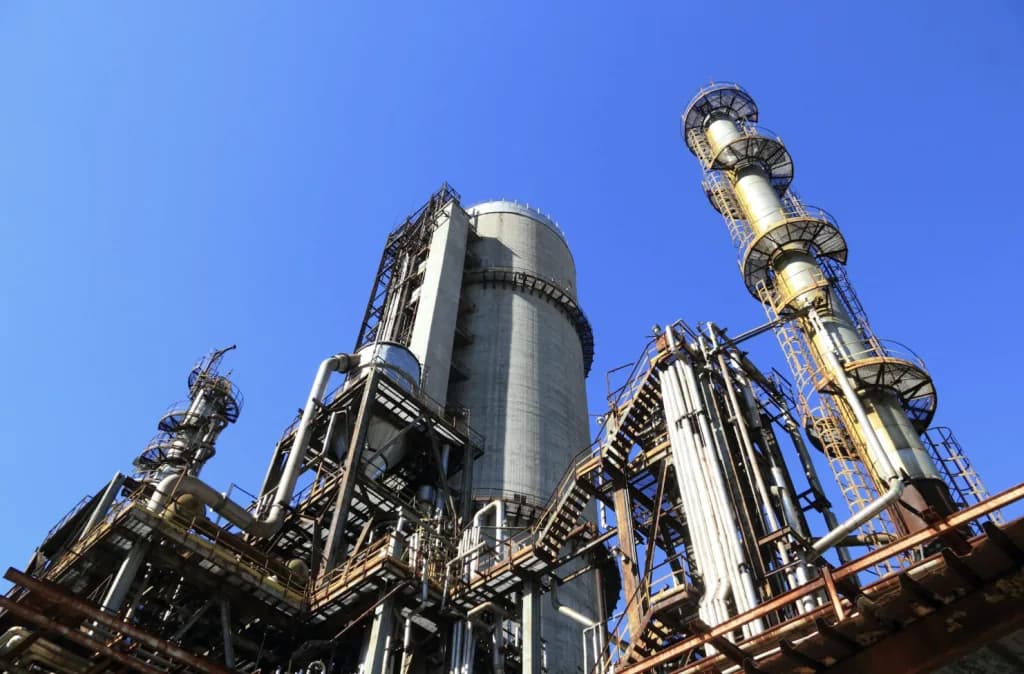
Pegged as the cornerstone of Namibia’s green strategy is green hydrogen, a clean energy resource with the potential to completely transform industrial models as we know them. To illustrate, at the center of this shift is the HyIron project, which recently accomplished the unthinkable the world’s first zero-emission iron production. In fact, with the replacement of coal with green hydrogen in the iron refining process, Namibia has set a new global standard for low-carbon steelmaking.
The HyIron Process Plant: A Game Changer
The success of this breakthrough is attributed to the HyIron process plant that sets out to eliminate fossil fuel use in the process. Specifically, the plant consists of using hydrogen made by renewable-powered electrolysis to refine iron ore without emitting any CO₂. Moreover, this clean, scalable model illustrates how innovation in processes can lead to sustainable industrialization of Africa. Accordingly, HyIron leadership states that achieving cost parity with traditional “grey” iron will make green iron the obvious market choice clean, competitive, and commercially viable read more here
Policy Foundations and Continental Impact
Namibia’s efforts align with continental initiatives like the African Union’s Agenda 2063 and the African Continental Free Trade Area, which support sustainable growth, trade, and green industrialization. As a result, these frameworks empower countries to embed environmental sustainability into economic development.
Green Jobs, Inclusive Growth
The green industrial shift is also fostering local job creation, innovation, and community empowerment. Furthermore, with multiple Final Investment Decisions (FIDs) expected by 2026, Namibia is not only attracting global green investment but also creating opportunities for inclusive socio-economic advancement.
As Namibia prepares to host the Global African Hydrogen Summit in September 2025, the country continues to lead by example. Ultimately, by building economies that are clean, inclusive, and future-proof, Namibia is not only spearheading Africa’s green revolution it is redefining what industrialization looks like in the 21st century, Indeed Africas future is green.