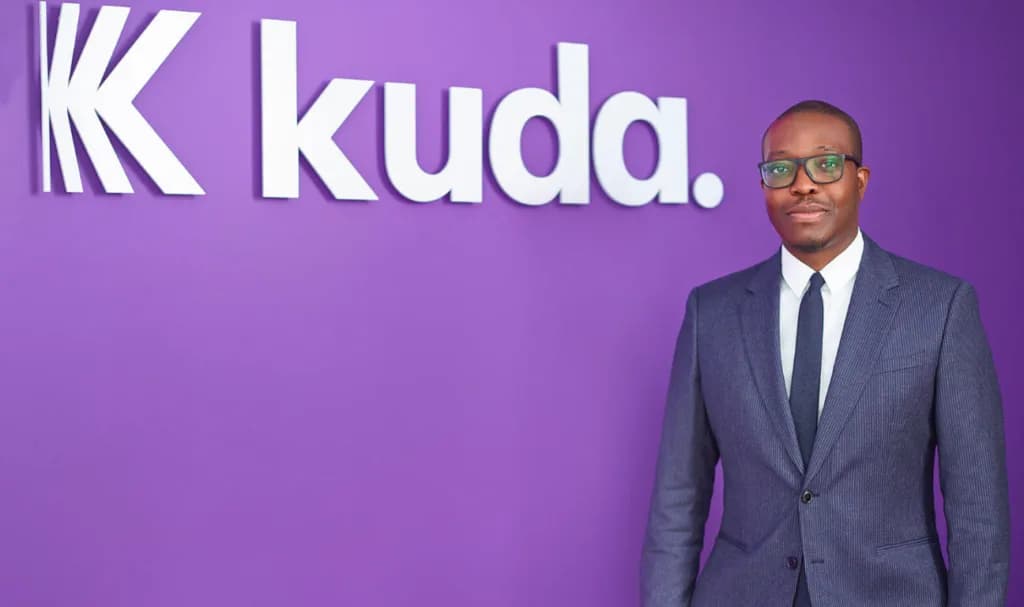
Naira-backed cNGN launches on Celo for cross-border payments
Naira-backed stablecoin cNGN has launched on the Celo blockchain, giving Nigerian fintechs and payment companies another option for cross border transactions. WrappedCBDC, a Nigerian company, issues cNGN and has been working with regulators on its digital asset offering. The launch allows users to swap cNGN for dollar-backed stablecoins such as Tether’s USDT through Textile FX,
Naira-backed cNGN launches on Celo for cross-border payments
Naira-backed stablecoin cNGN has launched on the Celo blockchain, giving Nigerian fintechs and payment companies another option for cross border transactions. WrappedCBDC, a Nigerian company, issues cNGN and has been working with regulators on its digital asset offering. The launch allows users to swap cNGN for dollar-backed stablecoins such as Tether’s USDT through Textile FX, a cross chain liquidity network. Textile FX said it had onboarded 78 over the counter (OTC) traders and cross-border payment companies in Nigeria before the launch. Nigerian businesses already use digital assets for international payments. Stablecoins give them another way to move money between wallets and payment platforms instead of relying entirely on banks and other payment providers.
cNGN reaches ₦2.5 billion in circulation
WrappedCBDC says one cNGN represents one naira held in reserves at Nigerian commercial banks. The company also invests some of those reserves in treasury bills, money market funds and fixed deposits. As of 7 August 2026, WrappedCBDC reported about ₦2.5 billion ($1.8 million) in cNGN circulation. The token had recorded cumulative trading volume of around ₦214.2 billion ($157 million) and had 8,216 holders. The figures show that cNGN has gained some traction, although its circulation remains small compared with Nigeria’s wider payments and foreign exchange market.
Cross-border payments drive stablecoin use
Nigeria has become one of the biggest crypto markets in sub Saharan Africa. Businesses and individuals increasingly use stablecoins for payments, remittances and access to dollar liquidity. For businesses, the cost and speed of international payments remain major concerns. Traditional transfers can involve several banks, payment providers and foreign exchange companies. Each step can add costs or delay the payment. Stablecoins offer another route. Businesses can move digital tokens between wallets without following the same process as a conventional bank transfer. cNGN brings the naira into that market. A Nigerian business could convert naira into cNGN, swap it for a dollar backed stablecoin and send the funds to a recipient or payment provider in another market. The amount of activity cNGN attracts will depend on liquidity, the number of businesses that use it and the rules governing digital asset payments. “Nigeria is leading much of the world in stablecoin adoption,” said Uyoyo Ogedegbe, managing director of cNGN. Ogedegbe said the company wants cNGN to support payments and other uses across Africa and beyond. Textile FX said it processed more than $4 million in institutional trading volume in July.
cNGN has gone through regulatory programmes
WrappedCBDC has also taken part in several Nigerian regulatory initiatives covering digital assets. The company participated in the Securities and Exchange Commission’s Regulatory Incubation programme. The SEC later admitted WrappedCBDC to its Accelerated Regulatory Incubation Programme on 2 July. The Central Bank of Nigeria also included WrappedCBDC in its anti money laundering supervisory pilot on 31 March. These programmes give digital asset companies a way to test their products while Nigerian regulators develop rules for the sector.
Celo considers cNGN for network fees
Celo is considering cNGN as a way for users to pay transaction fees on its network. The blockchain said it will start a governance process on the proposal. If users approve it, they could pay Celo network fees directly with cNGN instead of keeping another token for transaction costs. Celo says its network now supports 32 fiat backed stablecoins. The Celo launch gives WrappedCBDC access to another blockchain and its stablecoin market. For Nigerian payment companies, the bigger question is whether that access will lead to more businesses using cNGN for actual cross-border payments.