Modern Beneficiation Technologies for African Mining
Modern beneficiation is quickly moving from being a policy ambition to an industrial necessity in African mining. Global markets now demand cleaner supply chains, higher-grade outputs, and traceable production, which is putting mineral-rich countries under pressure to do more than extract and export. The opportunity is clear: process more locally, retain more value, and strengthen
Modern Beneficiation Technologies for African Mining
Modern beneficiation is quickly moving from being a policy ambition to an industrial necessity in African mining. Global markets now demand cleaner supply chains, higher-grade outputs, and traceable production, which is putting mineral-rich countries under pressure to do more than extract and export. The opportunity is clear: process more locally, retain more value, and strengthen domestic industry in the process.
Sensor Based Ore Sorting
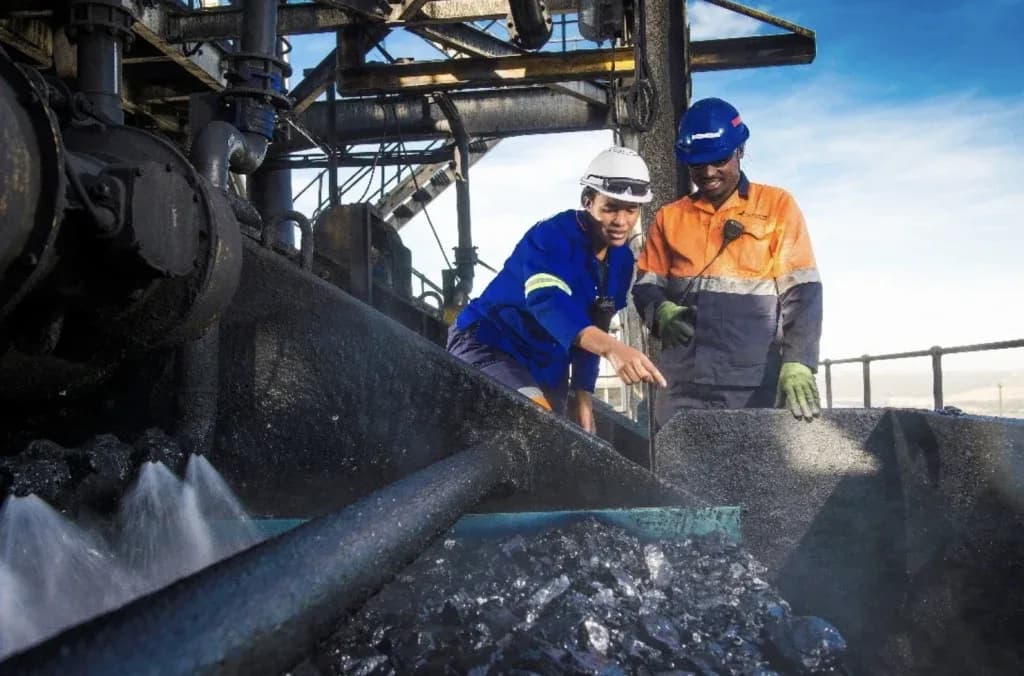
One of the most practical developments has been the rise of sensor-based ore sorting, which allows African mining operations to separate ore from waste early in the value chain. Using technologies such as X-ray transmission and laser detection, sorting systems reduce the amount of low-grade material sent to the plant. This delivers immediate gains through lower processing costs, reduced energy consumption, and improved recovery efficiency. For countries pushing local processing, the appeal is simple: beneficiation becomes more commercially viable, with stronger cost control and better output quality.
Fine Particle Recovery and Hydrometallurgy
Another area gaining momentum is advanced fine-particle recovery, particularly for commodities where value is often lost in tailings. Many older plants struggle with fine material, which means valuable minerals can slip through the cracks and end up discarded. Modern flotation systems, high-performance reagents, and upgraded thickening solutions are helping to recover what would otherwise be written off as waste. Alongside higher output, these upgrades also support more responsible mining by reducing tailings volumes and improving overall resource utilisation.
Hydrometallurgical processing is also expanding its footprint, especially in battery and energy-transition minerals that are becoming increasingly relevant to African mining. Compared to conventional smelting routes, hydrometallurgy offers greater flexibility when dealing with complex ores and can operate at lower temperatures. In the right setup, it can reduce emissions intensity while producing refined outputs suitable for higher-value markets. For countries aiming to build capacity around lithium, cobalt, nickel, and manganese, this creates a pathway into global battery supply chains rather than locking them into upstream exports.
Digitalisation and Local Industry Linkages
Equally important is the growing influence of digitalisation in processing plants. Modern beneficiation is increasingly driven by real-time data, automation, and predictive maintenance tools that improve plant stability and output consistency. Instead of reacting to breakdowns after they occur, operators can detect performance dips early and intervene before disruptions become costly. Artificial intelligence is also being used to optimise parameters such as grind size, reagent dosing, and throughput rates, improving recovery while controlling operating costs. These improvements may appear incremental, but over time they translate into significant gains in profitability and reliability across African mining value chains.
What makes these technologies especially relevant is how they strengthen local value addition beyond the mine gate. When a country can produce better-quality concentrates, refined metals, or industrial-grade minerals, it becomes easier to attract downstream industries such as manufacturing, fabrication, and processing hubs that depend on stable inputs. This is where African mining begins to anchor broader industrial development, supporting supply chains that create jobs, develop specialised skills, and improve export competitiveness.
Enablers for Long Term Success
Still, modern beneficiation does not succeed on equipment alone. It requires dependable energy supply, strong transport networks, and a policy environment that rewards long-term investment. Skills development is also non-negotiable, because advanced processing plants need technicians, metallurgists, and operators who can manage increasingly sophisticated systems.
With the right infrastructure and strategic intent, modern beneficiation technologies can help African mining move up the value chain and compete on more than volume. The early movers won’t just ship ore they’ll build processing strength, develop technical depth, and secure a stronger share of the economic upside.