The Role of Energy Efficiency in Mining Operations 2025
African Mining Technology is racing to expand output for energy transition while cutting costs and emissions. In 2025, the biggest efficiency gains are coming from four converging trends electrified fleets, intelligent ventilation, renewable power at scale, and data-driven process control. Electrified and hybrid haulage Battery electric vehicles (BEVs) and trolley-assist systems are moving from pilots
The Role of Energy Efficiency in Mining Operations 2025
African Mining Technology is racing to expand output for energy transition while cutting costs and emissions. In 2025, the biggest efficiency gains are coming from four converging trends electrified fleets, intelligent ventilation, renewable power at scale, and data-driven process control.
Electrified and hybrid haulage
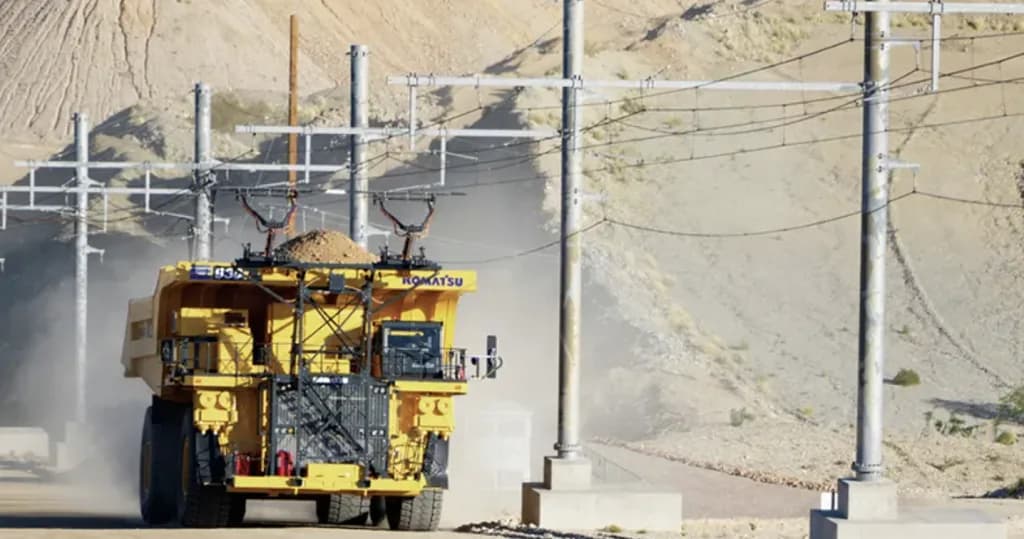
Battery electric vehicles (BEVs) and trolley-assist systems are moving from pilots to early scale in Africa, slashing diesel use, maintenance, and heat loads especially underground, where lower heat and exhaust translate into smaller ventilation requirements. Additionally Analysts and industry reviews in 2025 point to material operating-emission cuts from electrified equipment, with miners trailing fast boost charging, regenerative braking and dynamic energy transfer to keep trucks productive on steep profiles. Expect broader deployment this decade as costs fall and charging ecosystems mature.
Ventilation on Demand (VoD) becomes standard
Ventilation can account for up to half of an underground mine’s electricity bill. VoD systems use sensors, tracking, and advanced control to deliver air “where and when needed,” routinely yielding double-digit energy savings, According to Mining Technology (2020) recent case studies and research reports citing 30% electricity reductions and, in some mines, even higher. With BEV adoption reducing diesel particulates, VoD’s efficiency upside grows further.
Renewables via wheeling and PPAs
To hedge grid volatility and decarbonize Scope 2, miners are locking in long-term power purchase agreements (PPAs) for solar and wind, increasingly “wheeled” across transmission networks rather than built on-site. In South Africa, multiple operations now source sizable shares of their load through wheeling examples include Petra’s Cullinan and Finsch mines (from FY2026), Rio Tinto’s RBM with a 140 MW wind PPA under construction, and multi-site solar supply deals structured for heavy industry such as Tronox. These contracts deliver predictable tariffs and large, immediate drops in electricity emissions.
AI and IoT optimization across the flowsheet
From crushing and grinding to pumping, real-time optimization and advanced process control are trimming kilowatt-hours per tonne. Vendors and operators report growing use of digital twins, condition monitoring, and predictive controls to stabilize mills, right-size pumps and fans, and orchestrate load shifting against time of use tariffs turning energy from a huge cost into a managed asset. Sector outlooks for 2025 highlight this digital layer as a top opportunity for value and risk reduction.
What’s next
The decarbonization race is intensifying, with leaders pushing toward “real-zero” targets using on-site renewables, battery-powered rail, and alternative fuels. But uptake still varies by grid context and capital cycles. The near-term efficiency playbook is clear: electrify where feasible, deploy VoD underground, sign scalable renewable PPAs, and squeeze every kilowatt with data-driven process controls. Done together, these moves cut costs, harden operations against price and supply shocks, and sets smart mining apart to supply critical minerals with a lighter energy footprint.