Mining Matters – Time for Momentum in Mining in South Africa
PGM Industry Day Highlights (19 March 2026) The PGM’s industry is still reasonably optimistic despite the major handbrakes and hurdles it faces. The industry has been severely constrained during the past three decades by uncertainty, weak administrative processes, unnecessary delays in licencing authorisations as well as severe repercussions that state capture has had on electricity
Mining Matters – Time for Momentum in Mining in South Africa
PGM Industry Day Highlights (19 March 2026)
The PGM’s industry is still reasonably optimistic despite the major handbrakes and hurdles it faces.
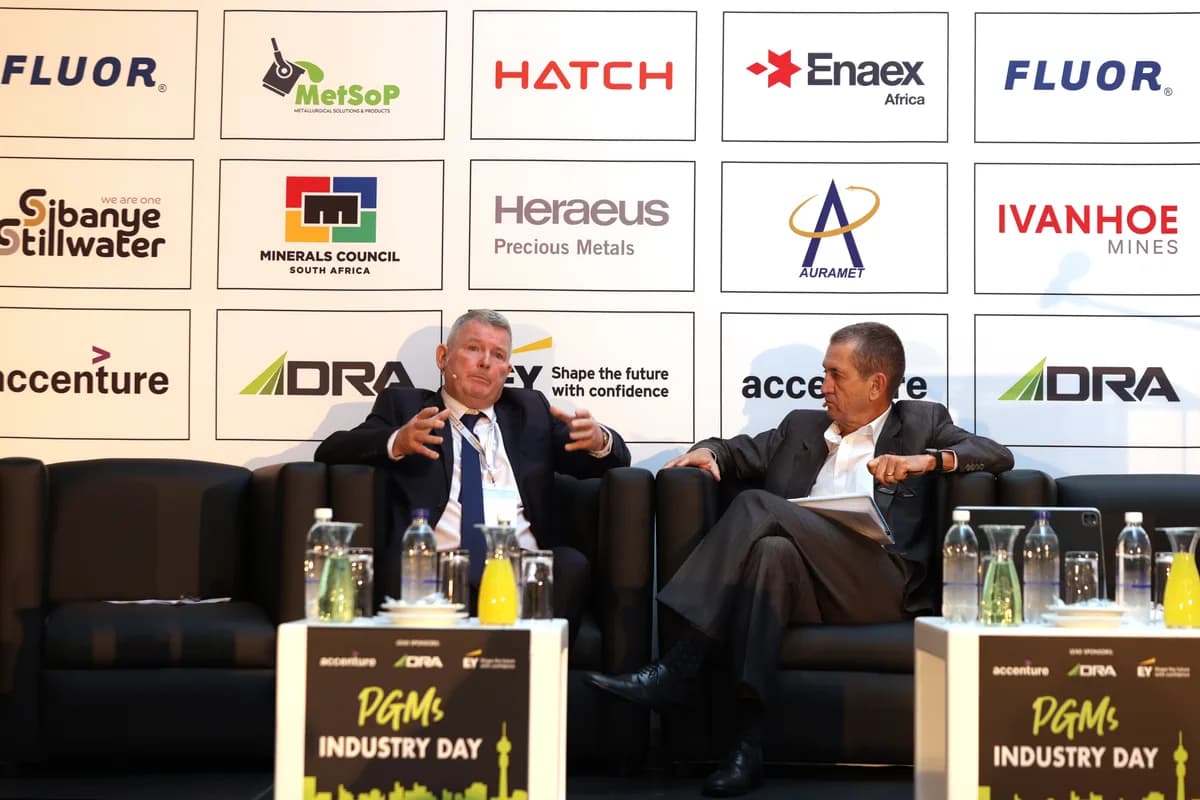
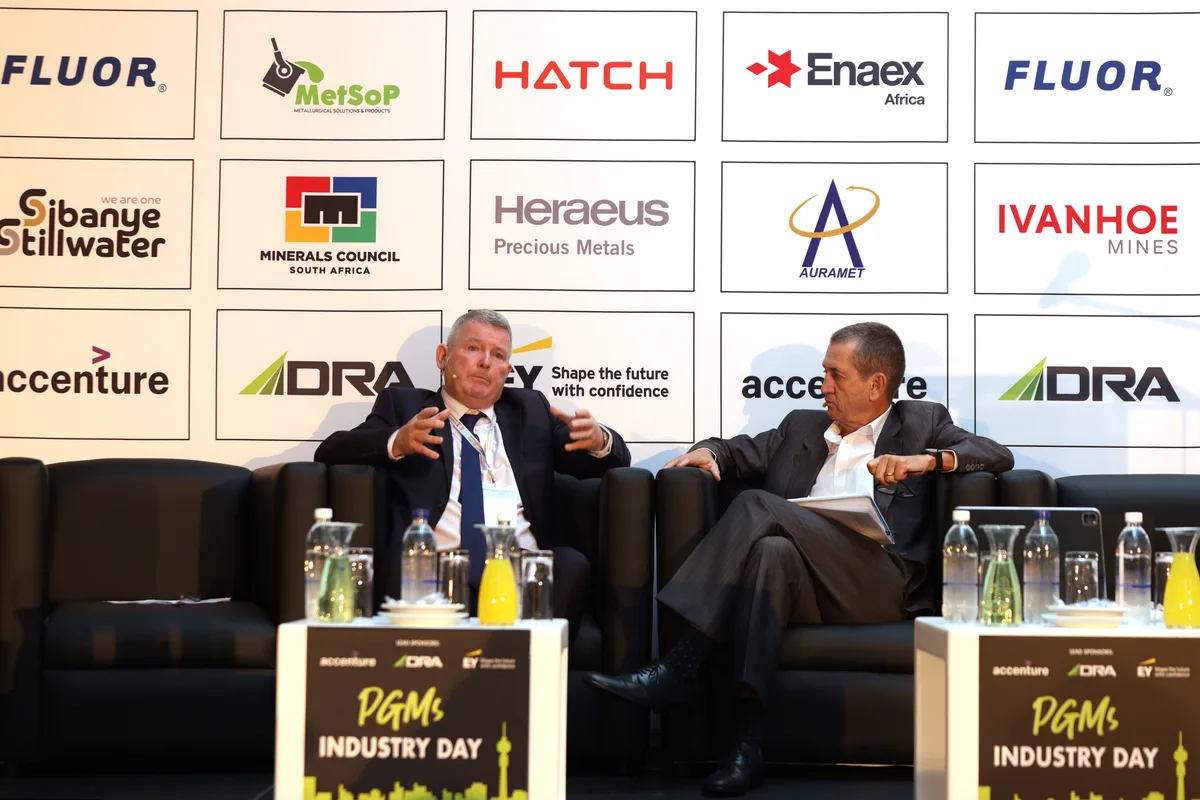
The industry has been severely constrained during the past three decades by uncertainty, weak administrative processes, unnecessary delays in licencing authorisations as well as severe repercussions that state capture has had on electricity supply and costs. This was the sobering opinion expressed by miner Paul Dunne, the current President of the Minerals Council South Africa and CEO of Northam Platinum.
With Platinum prices currently sitting around the $2000 per ounce mark, after having hit a record price of over $2850 in January 2026, there is a massive opportunity ahead for the PGM’s industry over the next decade. With the continued growth of the EV Automotive sector, along with other tech industries such as the mushrooming solar voltaic, industry that relies on PGM metals, there is globally a higher demand for Platinum that the industry is currently producing.
This is likely to be a once in a century opportunity for the industry and one that cannot and should not be missed.
Regulation Stranglehold
According to Dunne, the core hurdle facing the mining industry today is a lack of speed and clarity on regulations and Dunne adds that “Patience in the mining Industry is very thin”. Central to the discontent over regulations is the proposed MPRDA Amendment Bill, that in its current form is according to Paul Dunne, not a workable solution for mining in South Africa.
The previous Mineral and Petroleum Resources Development Amendment Bill (MPRDA) of 2013 was allowed to lapse in Parliament after being passed, and was sent back by the President, and delayed during the National Council Of Provinces processes
As of May 2025, the Department of Mineral Resources and Energy gazetted a new Draft Mineral Resources Development Bill (MRPDA Bill) of 2025 for public comment. This snail-like process has now become of increasing concern to the Mining Industry with increasing impatience resulting in an almost stand-still in new mining exploration investment over the last decade.
“This is our considered view that the proposed Minerals Amendment Bill in its original form does not encourage or sustain the growth and investment the mining industry, and needs to realise its full potential to create employment, stimulate the economy and to fulfil its social mandate,” states Dunne.
Exploration in SA has Expired
In 2025, South African Mining houses spent a measly US$44,195,638on new exploration projects, around -53% less that in 2024 that was already a depressed amount. South Africa’s total exploration investment hit a peak of approximately $403.6 million in 2007 during the previous commodity super cycle. The current super-cycle has provided a massive bonus for the South African government due to increases in export taxes on the non-ferrous minerals.
When seen against a global nonferrous mineral exploration spend of $12.40 billion in 2025, it paints a big question mark on what is happening to the mining industry in South Africa.
“We hope not to be sandbagged” The industry does not need any more unpleasant surprises it needs solutions” said Dunne
“The MRTPDA Amendment Bill must be finalized as a priority” Dunne asserted, with this alone the central priority to start unlocking investments and growth.
The authoritative Fraser Survey, which measures the “investability” of regions for mining, again gave a clear indication of the loss of confidence from mining houses in investing in the local region, despite massive untapped reserves still in South Africa. SA did poorly and dropped down the rankings again – mainly due to policy uncertainty and unclear regulations and lack of pace in moving the needle in terms of finalization of regulations.
Beyond Regulatory Hurdles – Energy Pricing A Key Constraint
SA is currently de-industrializing, while power utility Eskom continues to raise energy unit prices. The power Company are sitting on unsold energy units that could be made available at a variable rate to the mining and associated metal industries such as the Ferrochrome and Platinum industry.
South Africa has leverage in Chrome and Platinum, but producing the products has become increasingly expensive due to above inflation increases in energy rates over the last 15-years. This is not sustainable and there is urgent need for the government regulator to start providing more flexible rate structures that can help encourage new investments.
Mining’s overall contribution is not insignificant:
Direct GDP contribution is in the region of 6.0–6.5% of South Africa’s nominal GDP. The broader economic impact of the industry, including direct suppliers and multipliers, totals around R695 billion in total GDP effect and also supports a further R470 billion in household income annually supporting around 3.5 million people in the broader economy.
Export contribution from mining exports highlight its value to the overall economy with Primary mineral exports: R773.7 – R800+ billion (2024/2025), making up ~45–52% of South Africa’s total merchandise exports.
The concerns of the Industry are not without merit and it is about time for the Government to align its priorities to enabling and not constraining further investment and growth.