Training Women for the Next Wave of Tech-Driven Mining Jobs
Mining has changied in ways that are easy to overlook from the outside. Equipment is becoming more automated, operations are increasingly monitored from control rooms, and decision making relies more heavily on data. As a result, the skills mines need are constantly changing every day. Technical literacy, systems thinking, and digital maintenance are beginning to
Training Women for the Next Wave of Tech-Driven Mining Jobs
Mining has changied in ways that are easy to overlook from the outside. Equipment is becoming more automated, operations are increasingly monitored from control rooms, and decision making relies more heavily on data. As a result, the skills mines need are constantly changing every day. Technical literacy, systems thinking, and digital maintenance are beginning to matter as much as traditional mechanical experience. This Change has implications for who enters the industry, particularly women.
Changing Skills and a Longstanding Gender Gap
African mining has struggled with gender imbalance. Much of this stems from how mining work was historically structured physically demanding roles, isolated sites, and training pipelines that favoured men. Even where women entered the sector, they were often concentrated in administrative or support roles rather than technical operations. As mining becomes more technology driven, some of these dynamics are beginning to change, though not consistently across the industry.
Modern mines rely on networks of sensors, autonomous hauling systems, and software platforms that track everything from equipment performance to ore quality. Control centres now supervise fleets of machines operating across large sites, sometimes from entirely different cities. Maintenance work increasingly involves diagnostics, programming interfaces, and system integration. These roles require a different mix of skills than the traditional image of mining suggests.
Training and Workforce Pressures
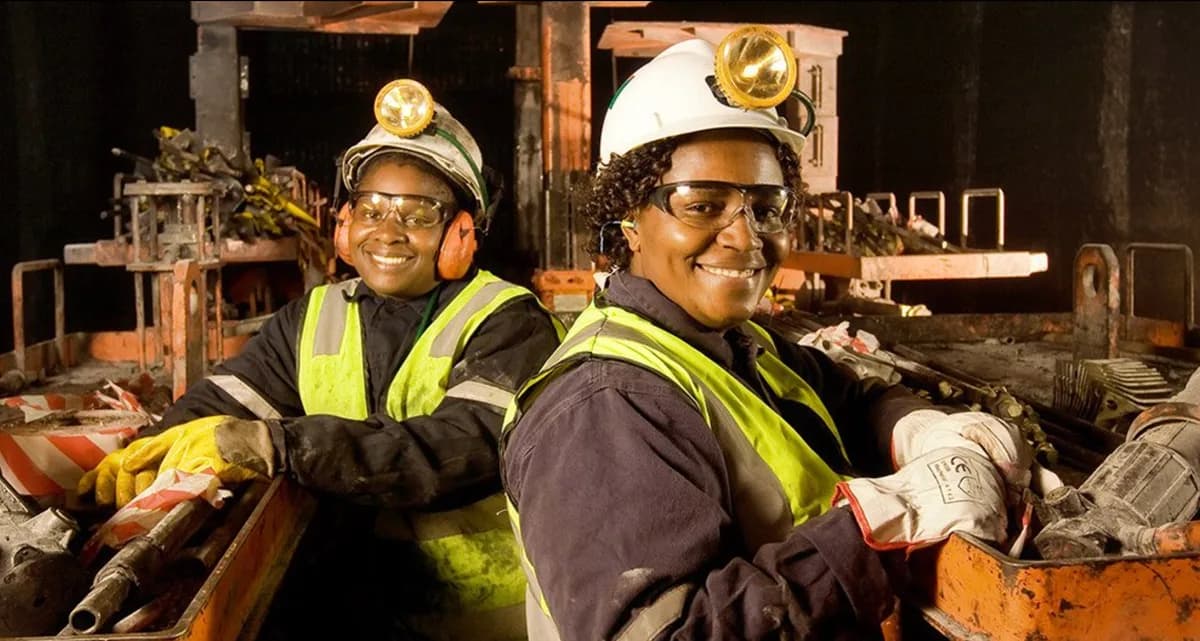
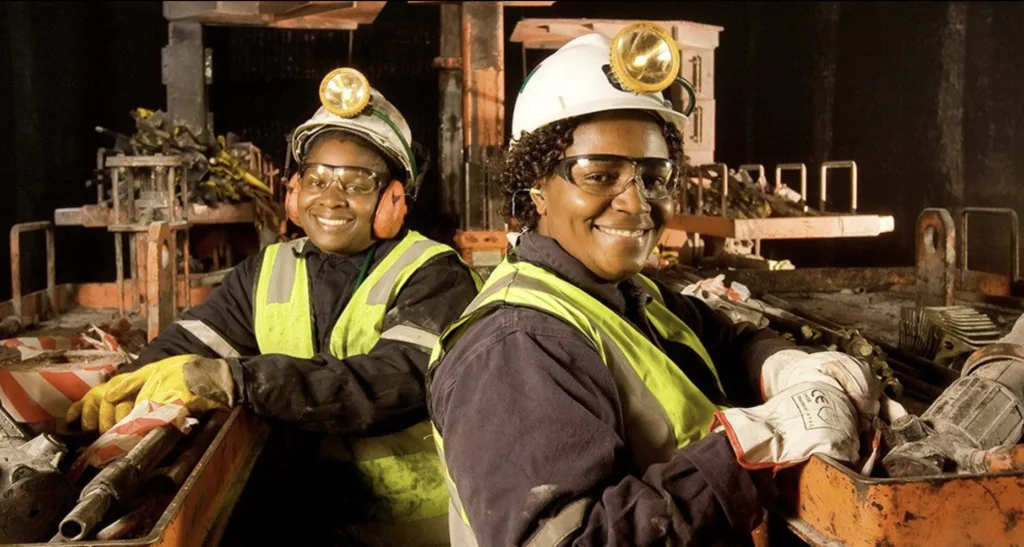
Mining training pipelines are adjusting to these changes in skills technical colleges and universities have begun adding courses in automation systems, data analysis, and remote operations to traditional mining and engineering programmes. At the same time, several mining companies are experimenting with targeted apprenticeships and internships aimed at bringing more women into operational roles.
The motivation is not purely about improving representation. As mines adopt more complex technologies, the demand for digitally capable workers is growing faster than the traditional talent pipeline can supply. Broadening recruitment has therefore become a practical response to a changing skills base rather than simply a diversity initiative.
Workplace Realities and Industry Collaboration
There is also a practical side to this conversation. Mining operations are complex systems where technical judgement, coordination, and risk awareness matter every day. When teams are drawn from similar backgrounds, blind spots tend to persist. A broader mix of perspectives can improve how problems are approached, particularly in technology heavy environments where small errors can quickly affect safety or production.
But training alone will not change the structure of the workforce. Recruitment campaigns often move faster than workplace reform. Career pathways, site culture, and leadership representation all shape whether women stay in technical roles or quietly exit the industry. Without changes in these areas, training programmes risk becoming entry points into organisations that are not fully prepared to retain the talent they recruit.
The direction of change will also depend on how governments, educators, and mining companies work together. Skills programmes only have value when they match the realities of the labour market. Where coordination is weak, training pipelines produce qualifications but not employment. Where it works well, education feeds directly into new technical roles emerging across the sector.