How Technology Is Improving Safety and Compliance of Tailings Dams in African Mines
Mine tailings dams are among the most complex and high-risk structures in the mining sector. Their management demands constant vigilance to prevent structural failures that can cause severe environmental and human disasters. Historically, oversight relied heavily on manual inspections and infrequent data collection methods. These approaches often lacked the precision and consistency needed for effective
How Technology Is Improving Safety and Compliance of Tailings Dams in African Mines
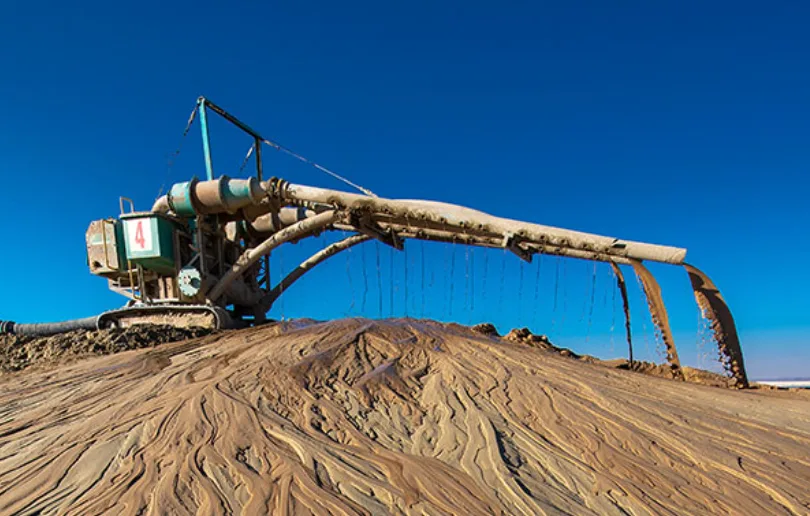
Mine tailings dams are among the most complex and high-risk structures in the mining sector. Their management demands constant vigilance to prevent structural failures that can cause severe environmental and human disasters. Historically, oversight relied heavily on manual inspections and infrequent data collection methods. These approaches often lacked the precision and consistency needed for effective risk mitigation.
Today, digital tools and remote sensing technologies are transforming how these facilities are monitored and maintained. By delivering real-time data, predictive insights, and automated alerts, these solutions significantly enhance safety and compliance.
Expanding the Role of Technology in Dam Monitoring
Modern tools such as Internet of Things (IoT) sensors, drones, satellite imaging, artificial intelligence (AI), and geospatial platforms have become integral to tailings dam management. These technologies provide continuous data streams and spatial analysis that allow operators to detect early warning signs. By responding swiftly to emerging threats, mining firms can prevent incidents before they escalate.
Key Technologies Enhancing Safety and Stability
IoT sensors and monitoring devices, such as piezometers and ultrasonic sensors, track seepage, pressure, and water levels in real time. Engineers use this data to identify deviations from expected conditions and intervene promptly.
Drones and satellite imagery provide detailed views of dam geometry, surface movement, and pond expansion. These tools can detect subtle shifts that may indicate structural stress or instability.
Artificial intelligence and predictive analytics process large volumes of sensor and image data. They identify patterns, forecast potential failures, and suggest preventive actions.
Geospatial visualization platforms link data to geographic coordinates, enabling near-instantaneous visualization of dam conditions. This supports more accurate assessments and faster response planning.
Strengthening Compliance and Risk Management
The integration of these technologies has led to measurable improvements in regulatory compliance and operational safety. Continuous monitoring allows for early detection of seepage, cracking, or deformation. Automated alerts notify engineers, regulators, and auditors immediately when readings exceed safe thresholds.
Centralized oversight provides a unified view of dam performance. This simplifies risk assessments and coordination among stakeholders. Combining real-time data with AI-generated insights enables faster and more accurate decisions regarding maintenance and emergency planning. Automated reporting tools further streamline documentation for regulatory reviews, providing clear evidence of compliance and operational history.
Tailings Monitoring in Africa
To implement these technologies effectively, mining firms often partner with specialized providers across Africa.
- Sub-Eight Technologies, based in South Africa, collaborates with global partners to deploy wireless geotechnical monitoring systems. Their solutions, including real-time piezometers and inclinometers, provide continuous data and alerts to enhance tailings dam safety.
- Entail Consulting offers comprehensive tailings management services across Africa, focusing on compliance with global standards such as the Global Industry Standard on Tailings Management (GISTM). They provide technical expertise and monitoring strategies to ensure safe and sustainable operations throughout a facility’s lifecycle.
- IoTDC, a South African company, delivers the Sentinel platform a comprehensive IoT-based monitoring solution. It integrates sensor data, analytics, and visualization tools, helping African mining companies maintain regulatory compliance, optimize operational efficiency, and mitigate risks effectively.
Using Historical Data for Better Decision-Making
Historical data from archived satellite imagery and sensor logs allows operators to analyze performance trends over time. This long-term perspective helps identify recurring issues, evaluate past interventions, and guide future maintenance strategies. Traditional methods could not reliably provide this level of insight.
The African mining industry’s adoption of advanced monitoring technologies has significantly improved the management of tailings dams. By combining sensor networks, aerial imaging, AI, and geospatial analysis, operators maintain safer facilities, meet regulatory expectations, and reduce the risk of catastrophic failures. Specialized companies such as Sub-Eight Technologies, Entail Consulting, and IoTDC demonstrate how tailored approaches address the unique challenges faced by African mining firms. These technologies and partnerships have become essential components of responsible and effective tailings dam oversight.