Mercedes-Benz cuts sales outlook after R26.5 billion hit in China
Mercedes-Benz has lowered its expectations for 2026 after a difficult first half in China, where slowing demand and intense competition from local carmakers weighed on sales and earnings. The German automaker said its China business reduced first-half earnings by €1.392 billion (around R26.5 billion). The figure includes impairment charges, provisions and lower earnings from its
Mercedes-Benz cuts sales outlook after R26.5 billion hit in China
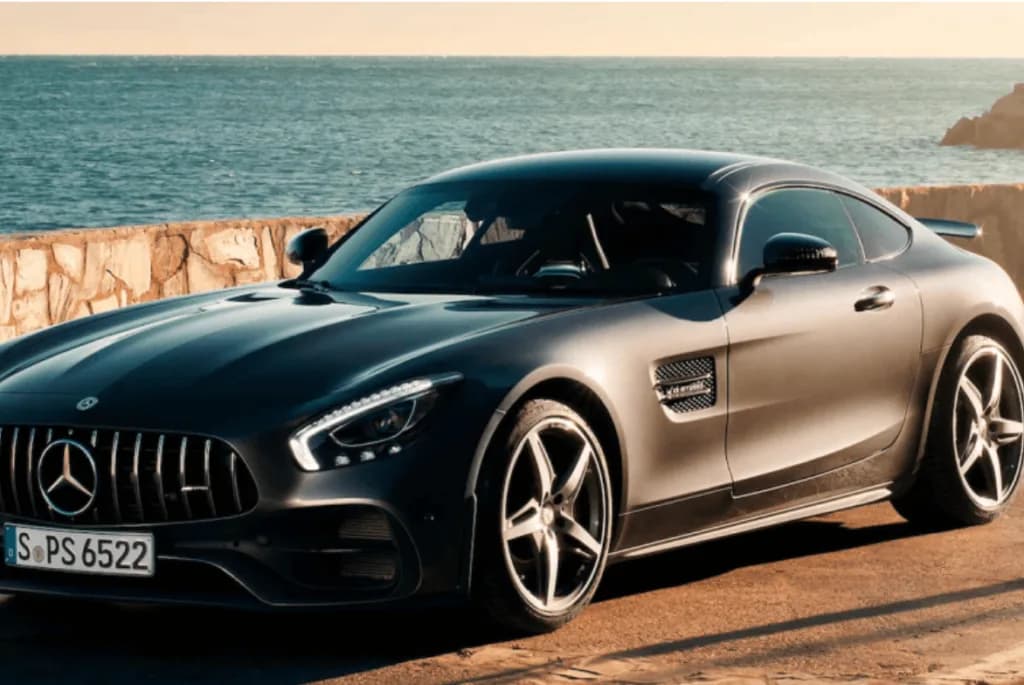
Mercedes-Benz has lowered its expectations for 2026 after a difficult first half in China, where slowing demand and intense competition from local carmakers weighed on sales and earnings. The German automaker said its China business reduced first-half earnings by €1.392 billion (around R26.5 billion). The figure includes impairment charges, provisions and lower earnings from its joint ventures.
China becomes a tougher market
China has become a tougher market for premium brands over the past two years. Local manufacturers have gained market share, particularly in electric vehicles, while price cuts across the industry have made it harder for established brands to maintain margins. The pressure showed in Mercedes-Benz’s latest sales figures. Passenger car deliveries in China fell 30% in the second quarter to just under 99,000 vehicles. For the first six months of the year, sales dropped 28% to around 210,000 units. The company also recognised several costs linked to its operations in the country. It booked €752 million in impairment charges on its investments in China, recorded a €92 million provision relating to Smart and reported weaker earnings from its partnerships with Beijing Benz Automotive Co. (BBAC) and BAIC Motor. Those items pushed the total impact on earnings to €1.392 billion.
Mercedes-Benz lowers its forecast
Mercedes-Benz has now revised its outlook and expects passenger car sales for 2026 to finish slightly below last year’s levels. The company said the weaker performance in China was the main reason for the change. Elsewhere, the business delivered a more stable performance. Mercedes-Benz Vans reported stronger earnings, supported by demand for models such as the Sprinter and eSprinter. The group’s financial services business also improved, helped by stronger financing margins and lower credit losses. Electric vehicle sales continued to grow during the quarter. Battery-electric passenger car sales increased 51%, while electric van sales rose 46%. Mercedes-Benz has raised its forecast for the share of electrified vehicles it expects to sell this year.
Stronger sales outside China
Outside China, passenger car sales improved in North America and Europe, with the United States and Germany both recording year on year growth in the second quarter. The results underline how important China remains to Mercedes-Benz, but they also show how quickly the market has changed. Local manufacturers continue to put pressure on international brands, forcing many of them to rethink pricing, product strategies and growth plans.