Malawi Suspends New Mining Licences and Bans Raw Mineral Exports
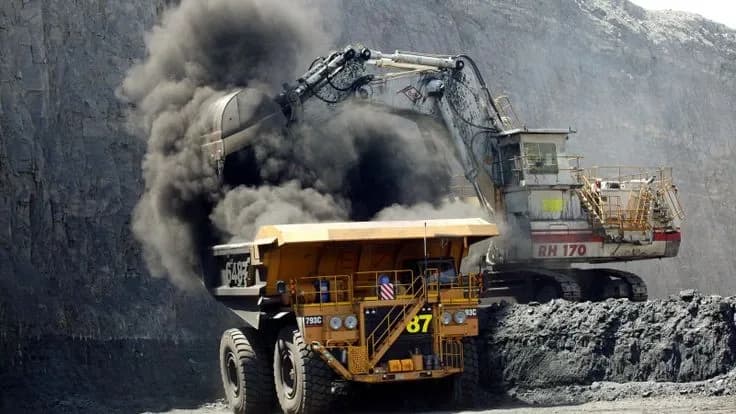
Malawi has suspended the issuance of new mining licences and banned the export of raw, unprocessed minerals. The change introduces tighter control over how mineral resources are licensed and commercialised at a time when mining is drawing increased policy attention. Government officials have announced a review of the national mining licence registry and indicated that
Malawi Suspends New Mining Licences and Bans Raw Mineral Exports
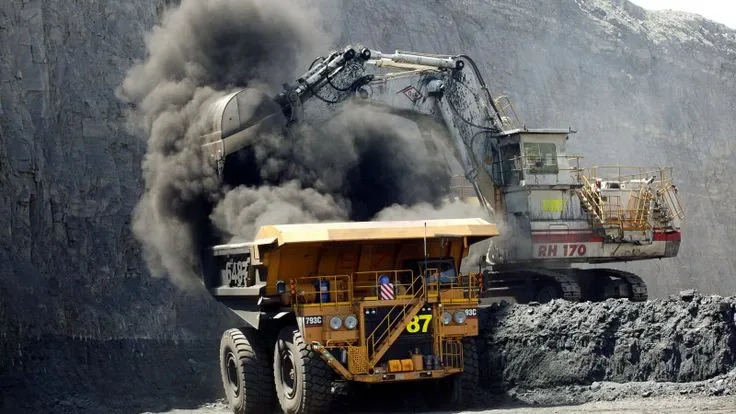
Malawi has suspended the issuance of new mining licences and banned the export of raw, unprocessed minerals. The change introduces tighter control over how mineral resources are licensed and commercialised at a time when mining is drawing increased policy attention.
Government officials have announced a review of the national mining licence registry and indicated that existing mining development agreements may be revisited. Mining operations in Malawi will continue, but future approvals and export flows will be subject to stricter scrutiny. Authorities say the objective is to strengthen oversight and ensure that extraction delivers stronger domestic economic returns.
Value Retention and Investment Implications
Malawi’s mineral base includes rare earth elements, graphite, uranium, gemstones and copper. These commodities have drawn increased interest as global demand for critical minerals rises. But a significant share of output has historically left the country in raw form, limiting domestic processing and industrial spillover.
Exporting unprocessed minerals captures limited value. Downstream processing can expand tax revenue, create higher-skilled employment and support related sectors such as transport, energy and manufacturing. By halting raw exports and pausing new licences, the government is creating space to reassess the terms under which future mining investment proceeds.
Such measures carry short-term implications for exploration firms and exporters, particularly those reliant on steady export revenue. Uncertainty around timelines and implementation details can delay financing decisions and project planning. At the same time, clearer licensing systems and more predictable contract terms can improve long-term investment conditions. Investors in frontier mining jurisdictions often prioritise regulatory clarity and enforceable agreements over rapid approvals.
Authorities have also indicated interest in strengthening state participation mechanisms in the mining sector and exploring structured approaches to resource revenue management. That points to greater emphasis on oversight and long-term value capture rather than purely concession-based extraction.
Global Competition and Execution Risk
The intervention emanates amid heightened global competition for critical minerals. The United States, China and the European Union are actively securing supply chains for minerals essential to clean energy technologies and advanced manufacturing. Producers with rare earths, copper and battery-related inputs are negotiating from increasingly strategic positions.
Tighter control over licensing and exports may strengthen Malawi’s leverage in future negotiations with investors and off takers, particularly if global demand remains firm. The impact, however, will depend on implementation. Investors will look for clear timelines on the licence suspension, transparency in the audit process, defined beneficiation requirements and structured engagement with existing operators.