Major challenges ahead for BMW, Mercedes-Benz, and other luxury car brands in South Africa
Currently in South Africa, fancy car sales are struggling because the economy is not doing well, interest rates are high, and fuel prices keep going up. People are avoiding expensive cars and choosing more affordable ones, especially new Chinese cars. The overall car industry in South Africa is having a tough time. The most recent
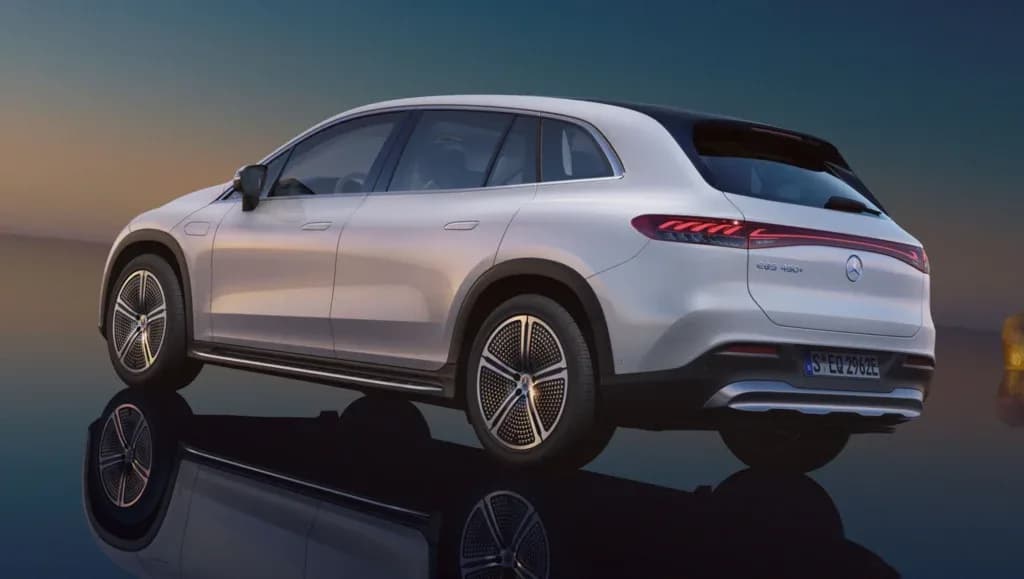
Major-challenges-ahead-for-BMW-Mercedes-Benz-and-other-luxury-car-brands-in-South-Africa
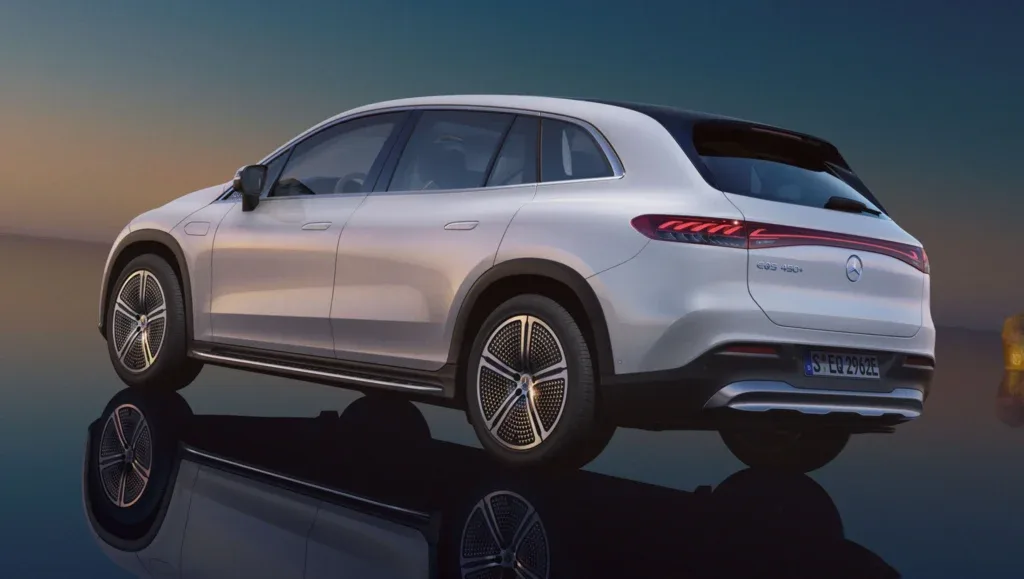
Currently in South Africa, fancy car sales are struggling because the economy is not doing well, interest rates are high, and fuel prices keep going up. People are avoiding expensive cars and choosing more affordable ones, especially new Chinese cars.
The overall car industry in South Africa is having a tough time. The most recent data shows that the market went down by 0.9% compared to February 2023. Even though there was a decent increase in car sales in February (6.9% more than January), the sales for the whole year are still 1.7% lower than in 2023.
According to the National Automobile Dealers’ Association (NADA), economic problems and political uncertainty are slowing down the growth of the car industry. The market, which had 44,749 cars, faced difficulties because of recent increases in fuel prices, and people expected more price hikes in March.
The NADA mentioned that the budget speech, the upcoming general election, and statements from the Reserve Bank Governor about keeping interest rates high are making people worried and negative about spending money.
WesBank, a company that helps people finance their cars, also said that the first half of the year is tough because people and businesses are uncertain due to the elections, high interest rates, fuel prices, and inflation going up.
While regular car sales went down by 3.1%, some good things happened too. Light commercial vehicles (like small trucks) had a 2.5% increase in sales. The heavy truck market had a strong demand, going up by 14% compared to the previous month, as mentioned by NADA.
Most cars were sold by dealerships (37,913 units, which is 84.7% of all sales). People still want cars, especially with the help of deals and discounts from the dealerships.
Another positive note is that companies selling cars to other countries saw an increase. They exported 27.5% more built-up cars, giving a little hope even though there are challenges in South Africa.
NADA noticed that people are choosing smaller and cheaper cars, doing a lot of research on prices and financing. Affordability is crucial for them because of economic problems, high interest rates, and expensive fuel.
The local car market is getting more competitive, with more Asian brands, especially Chinese ones, becoming popular in both regular cars and trucks. Big brands like Audi, Mercedes-Benz, and BMW are selling fewer cars than before.
NADA mentioned a shift in people’s preference toward Chinese cars. They say it’s because these cars are competitively priced, have good quality, and come with advanced technology.
This change is making things difficult for traditional fancy car dealerships. The premium car segment (expensive cars) is facing pressure because people are now more interested in buying used cars or trying out demo cars instead of brand-new ones.
While some loyal customers of fancy brands are sticking around by extending their maintenance plans, most people are either buying cheaper cars, waiting before buying, or choosing used cars. This has led to a significant increase in the used car market compared to new cars.
NADA concluded that because of economic problems and changes in the market, people are rethinking their loyalty to traditional car brands. People are leaning towards more budget-friendly options, including Chinese cars, which is a big change in the car industry.