M-PESA Sets Its Sights on Kenya's Credit Market
M-PESA changed how people move money in Kenya. Safaricom now believes the next challenge is helping more people borrow it. The company is looking at the country's lending market, where many small businesses and households still struggle to get affordable credit. Banks remain cautious, particularly when dealing with borrowers who cannot provide collateral, audited financial
M-PESA Sets Its Sights on Kenya's Credit Market
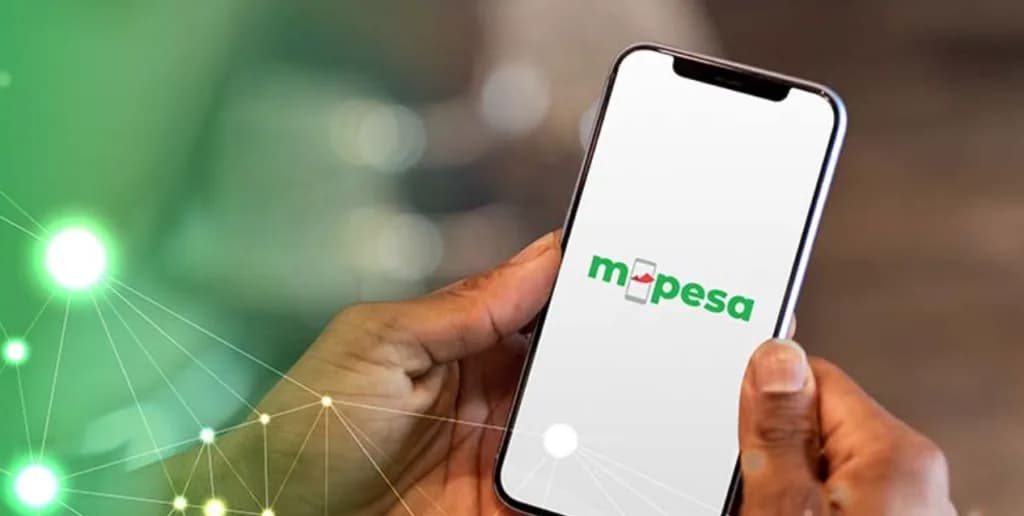
M-PESA changed how people move money in Kenya. Safaricom now believes the next challenge is helping more people borrow it. The company is looking at the country’s lending market, where many small businesses and households still struggle to get affordable credit. Banks remain cautious, particularly when dealing with borrowers who cannot provide collateral, audited financial statements or an established banking history. Safaricom thinks M-PESA can help close that gap by using the payment data it has built up over the years.
Why lending is still a problem
Kenya has one of Africa’s most developed digital payments markets, but access to credit has not kept pace. Small businesses make up most of the country’s private sector, yet many owners say raising finance is one of their biggest challenges. Even businesses with regular income are often turned away because they do not meet the lending requirements set by banks. Peter Gichangi, Safaricom’s Head of Super Apps, says the demand for affordable credit is clear. “There is pain. There is real pain,” he said during an interview on the Voices & Visions podcast. Gichangi said Safaricom is open to working with investors and financial institutions that want to provide funding to businesses and consumers who are currently underserved.
Banks are lending, but carefully
Lower interest rates have helped lending recover in Kenya over the past year, but banks remain selective. Many lenders are still dealing with bad loans, making them more cautious about approving new applications. For borrowers who do not qualify, digital lenders often become the only option, even when the cost of borrowing is much higher. Andrew Mutha, Chief Executive of Safaricom Money Transfer Services, said some borrowers end up paying far more than they expected because they have limited alternatives. Safaricom argues that payment history can reveal far more about a business than a balance sheet alone. Every day, millions of transactions move through M-PESA. Businesses receive payments, pay suppliers, buy stock and settle bills. Together, those transactions build a record of how money flows through a business. The company already uses customer activity to support products such as Fuliza, M-Shwari and KCB M-PESA. It now wants to use similar information to help lenders make decisions about business loans. Safaricom has also added new staff to strengthen its work around credit as it develops its plans.
The goal is not to become a bank
Safaricom says it is not looking to compete with banks. Instead, it wants M-PESA to serve as the link between borrowers and lenders. Banks would continue providing the money and managing the loans, while Safaricom would contribute customer data, technology and its existing distribution network. The company believes this approach could make it easier for financial institutions to reach customers they might otherwise overlook. When M-PESA launched, it offered many Kenyans a way to manage money without relying on traditional banking services. Safaricom now believes lending presents a similar opportunity. Rather than focusing mainly on collateral or years of banking history, lenders could also look at how businesses earn, spend and manage money through digital payments. That shift will not happen overnight, and banks are unlikely to abandon their current lending models anytime soon. But if transaction data proves to be a reliable indicator of creditworthiness, M-PESA could play a bigger role in helping small businesses access the funding they need.