Logistics companies addressing skills shortages
The logistics sector is undergoing significant transformations, driven by technological advancements and global shifts. The rise of artificial intelligence is poised to bring about substantial disruptions, coinciding with evolving economic and environmental factors that are already impacting supply chains. For instance, the Panama Canal recently faced challenges due to low water levels during an unusually

Logistics-companies-addressing-skills-shortages

The logistics sector is undergoing significant transformations, driven by technological advancements and global shifts. The rise of artificial intelligence is poised to bring about substantial disruptions, coinciding with evolving economic and environmental factors that are already impacting supply chains.
For instance, the Panama Canal recently faced challenges due to low water levels during an unusually dry October, prompting the implementation of reservation slots and new operational measures until February of the following year, as reported by the South African Association of Freight Forwarders (SAAFF) on November 3.
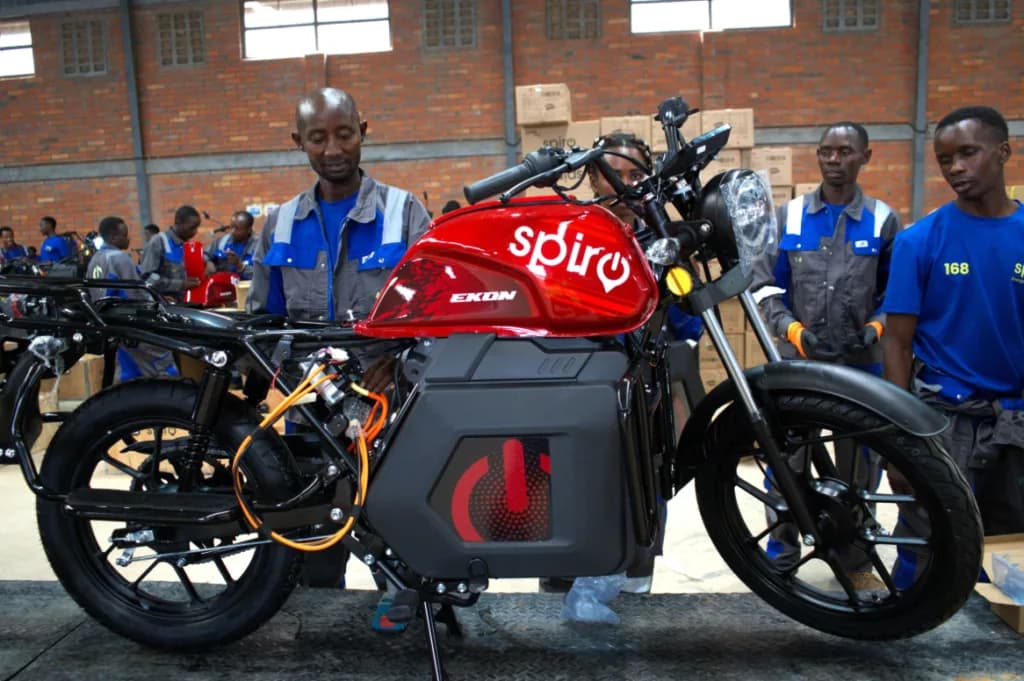
The growing transition to electric vehicles is also reshaping logistics dynamics, with a focus on Africa. Countries, including the United States, are actively involved in developing the Lobito Corridor—a central African rail line project aimed at establishing a trade route for minerals essential in the production of new energy vehicles.
However, amidst these transformations, the logistics industry is grappling with a significant shortage of skilled professionals, a concern highlighted by the Harvard Business Review across various facets, ranging from manual tasks like warehouse order picking to the development and maintenance of supply chain systems.
Clare Tonkin, National Human Resources Manager for Bidvest International Logistics (BIL), underscores the risk of companies becoming irrelevant if skill shortages hinder the fulfillment of client service needs. Customs compliance, particularly in South Africa, is singled out as an area of concern in relation to skills shortages.
Veren Jackpersad, National HR Manager for Overland Logistics at BIL, emphasizes the critical need for companies to cultivate talent pools for the present and future. This involves adopting innovative recruitment approaches to attract a broader market, including the implementation of learnerships, graduate programs, and in-house training initiatives tailored to specific needs.
Jackpersad advocates for multiskilling the existing workforce through reskilling and upskilling strategies. Additionally, he suggests the implementation of effective reward and retention strategies relevant to the broader workforce. Creating an agile, hybrid workforce and investing in digitalization, along with corporate social investment initiatives like study loans and internships, are cited as additional measures to nurture talent.
Utilizing technology in recruitment processes is emphasized to enhance the candidate experience. In a digital age, prospective talent seeks seamless and efficient recognition, prompting companies to offer a compelling digital experience from the initial stages of engagement.
Tonkin notes the importance of logistics and supply chain associations focusing on industry training to align with the evolving landscape of technology and AI. The emphasis is on recruiting the right skills, recognizing that skill sets may differ significantly from those of five or ten years ago.
Jackpersad concludes that addressing the skills shortage requires a comprehensive understanding of the unique challenges and dynamics applicable to each country, region, and context. While some countries have embraced digital advancements that reduce the need for human intervention, the landscape varies significantly across receiving countries.