Lithium's Remarkable Surge: Drivers, Prospects, and Africa's Evolving Role in the Global Supply Chain
In January 2026, lithium prices have staged a dramatic recovery, surging approximately 65% over the past month amid tightening supply and booming demand from electric vehicles (EVs) and energy storage systems. Today's (22 January) 4% daily gain reflects the metal's volatility and strategic importance in the clean energy transition. As a critical mineral powering everything
Lithium's Remarkable Surge: Drivers, Prospects, and Africa's Evolving Role in the Global Supply Chain
In January 2026, lithium prices have staged a dramatic recovery, surging approximately 65% over the past month amid tightening supply and booming demand from electric vehicles (EVs) and energy storage systems. Today’s (22 January) 4% daily gain reflects the metal’s volatility and strategic importance in the clean energy transition.
As a critical mineral powering everything from smartphones to grid-scale batteries, lithium’s market dynamics are reshaping global economies. Sub-Saharan Africa, home to substantial deposits in countries like Namibia, Botswana, Malawi, and the Democratic Republic of Congo (DRC), holds about 5-6% of global reserves and is emerging as a key player. However, the region’s involvement raises questions about sustainable development, from raw exports to potential downstream manufacturing.
Our analysis explores the drivers behind the price surge, future prospects, lithium’s industrial applications, Africa’s current and potential role, key investments, development challenges, and whether elevated prices will sustain long enough to attract further capital.
Drivers of the Lithium Price Surge
The recent lithium rally stems from a confluence of supply constraints and accelerating demand. After a prolonged oversupply period in 2024-2025 that depressed prices to unsustainable lows (around $10,000-11,000 per ton), high-cost producers—particularly lepidolite mines in China—have curtailed output, tightening inventories. Spot prices for lithium carbonate on the Guangzhou Futures Exchange soared 130% from 2025 lows to 134,500 yuan per ton ($19,000) by late December 2025, with assessments showing a 108% rise in the same timeframe.
Demand-side pressures are equally potent. Global EV sales are projected to exceed 25 million units by 2026, doubling to over 50 million by 2030, with longer-range models requiring larger batteries. Energy storage systems (ESS) have emerged as a game-changer, with lithium demand for this segment expected to grow 55% in 2026 after a 71% jump in 2025. Artificial intelligence (AI) data centers and renewable grid integration are fueling this boom, as utilities seek stable power amid variable solar and wind output.
Geopolitical factors amplify these trends. U.S. tariffs and export restrictions have disrupted supply chains, while China’s dominance in processing (65% of lithium hydroxide) creates vulnerabilities. Policy incentives, such as the U.S. Inflation Reduction Act’s tax credits for storage, further boost demand. Ganfeng Lithium’s chairman forecasted 30-40% global demand growth by 2026, potentially pushing prices to 150,000-200,000 yuan per ton ($21,000-28,000).
Future Prospects for Lithium
Looking ahead, 2026 marks a potential inflection point for lithium, shifting from surplus to deficit. The International Energy Agency (IEA) warns of a 40% supply shortfall by 2035 under current policies, with demand tripling since 2017 and potentially tenfold by 2050 in net-zero scenarios. Market size projections show growth from $13.9 billion in 2024 to $55.5 billion by 2032, at a 19% CAGR.
Energy storage will drive much of this, with mandates like California’s 11.5 GW addition by 2026 and Europe’s 200 GW by 2030. EV penetration and battery cost parity (below $100/kWh) will accelerate adoption, even as alternatives like sodium-ion emerge. However, solid-state batteries could reduce lithium needs by 40-50% per unit by 2030. Analysts forecast prices in the $11,000-28,000 range for 2026, with sustainable levels at $20,000-30,000 per ton.
Industries and Products Utilising Lithium
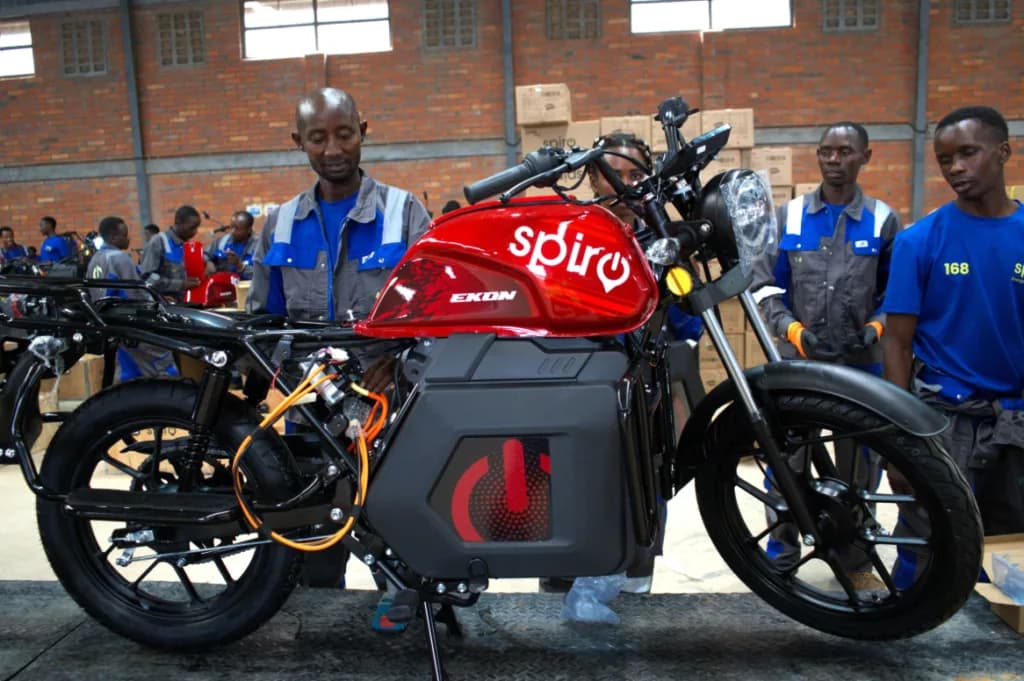
Lithium’s versatility spans multiple sectors, with batteries dominating 80% of demand. Lithium-ion batteries power EVs, smartphones, laptops, and grid storage, offering high energy density and rechargeability. In medicine, lithium carbonate treats bipolar disorder as a mood stabilizer.
Industrial applications include heat-resistant glass and ceramics (e.g., cooktops, telescopes), lubricants like lithium grease for automotive and aerospace, and fluxes in aluminum, steel, and cement production. Emerging uses encompass robotics, renewable energy storage, and even nuclear fusion fuel.
Africa’s Role: Reserves, Downstream Manufacturing, and Exports
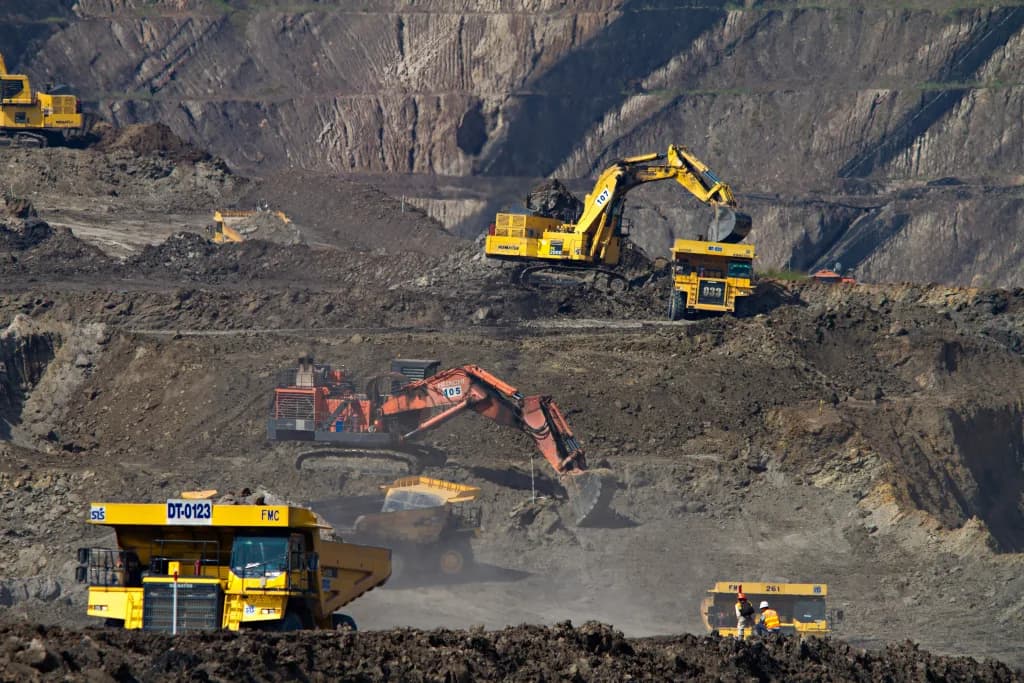
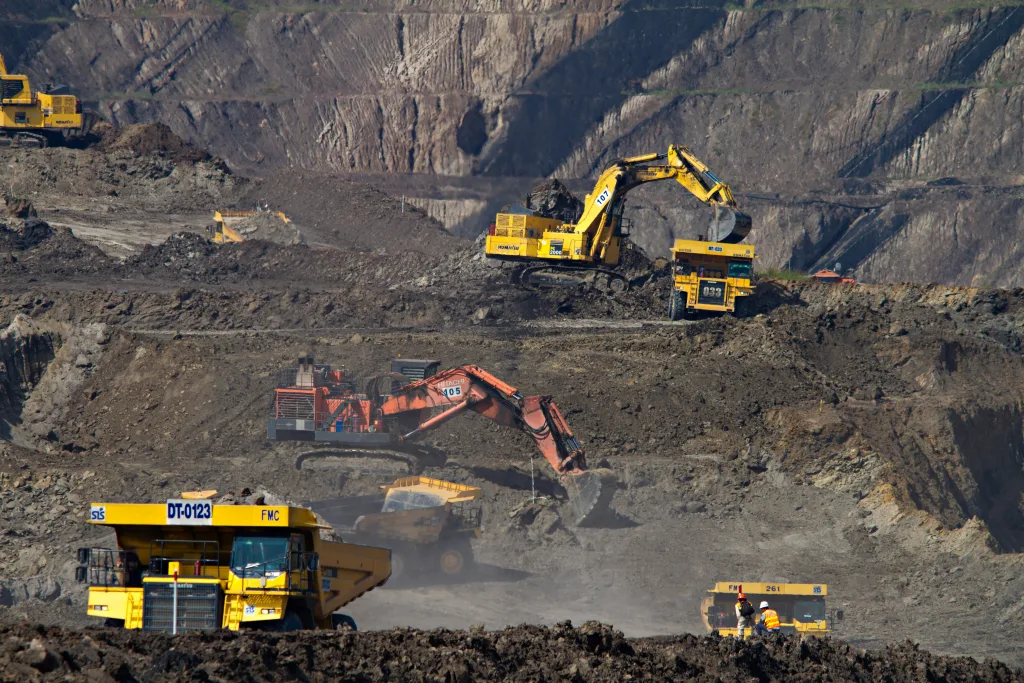
Sub-Saharan Africa boasts significant lithium reserves, estimated at 4.9 million tons (6% of global), primarily in the DRC (6.6 million tons at Manono, potentially the world’s largest), Zimbabwe (310,000 tons), Mali, Namibia, Ghana, and others like Botswana and Malawi. However, production remains nascent, with Africa contributing just 124,230 tons of lithium carbonate equivalent in 2024.
Most output is raw exports, predominantly to China (70% of global imports). Efforts toward downstream manufacturing are growing. Zimbabwe banned raw lithium exports in 2023, mandating local processing, leading to refineries and battery precursor plans. Namibia paused unprocessed exports, aiming for beneficiation. The DRC partners with Zambia on battery manufacturing, with a special economic zone for precursors. Malawi explores similar policies, but infrastructure lags. Botswana focuses on exploration. These shifts aim to capture more value, potentially adding 12% to mineral revenues and GDP.
Key Investments in African Lithium Mining
Investments, predominantly Chinese, have surged. In Zimbabwe, Sinomine acquired Bikita for $180 million (2022), Huayou bought Arcadia for $422 million, and Chengxin invested in Sabi Star. A $13 billion “mine-to-energy” park with Eagle Canyon and Pacific Goal targets battery production. In the DRC, Zijin Mining disputes AVZ over Manono, while Ganfeng partners on other projects. Mali’s Goulamina (Ganfeng) entered production in 2025, targeting 125,000 tons annually. Namibia’s Karibib (Lepidico) and Uis (Andrada) see ongoing development. U.S. and EU partnerships with DRC, Namibia, and others commit to value addition. In 2024, Africa attracted $16 trillion in potential for critical minerals.
Challenges for Further Development in Africa
Despite potential, challenges abound. Corruption scandals plague projects like Manono (DRC) and Sandawana (Zimbabwe), with opaque deals and red flags. Human rights abuses, including unsafe conditions, child labor, and forced evictions, are reported in Namibia, DRC, and Zimbabwe. Environmental issues—water depletion, land disruption, chemical contamination—affect ecosystems.
Infrastructure gaps, like power shortages in Mali, raise costs. Regulatory inconsistencies, smuggling, and weak enforcement hinder revenue capture. Geopolitical tensions and Chinese dominance deter Western investors, risking “extractivism” without local benefits.
Sustained Prices: Attractiveness for Further Investments
Elevated prices are likely sustainable through 2026 and beyond, making investments attractive. With demand outpacing supply, analysts predict deficits from 2026, stabilizing prices at $20,000-30,000 per ton. This range supports profitability for low-cost producers, encouraging expansions. U.S. proposals for a strategic reserve could further buffer volatility, lowering capital costs.
In Africa, sustained prices could attract $16 trillion in opportunities, but governance reforms are essential to ensure equitable benefits. Volatility remains a risk, but long-term fundamentals, EV growth and ESS mandates favour attractiveness.
Lithium’s surge reflects a pivotal moment in the energy transition, with Africa poised to benefit from its reserves. Yet, without addressing corruption, environmental harms, and export dependencies, the continent risks repeating extractive patterns.
(Word count: 1,428)