Libya Oil Output Hits Record High at 1.43 Million Barrels Per Day in Over a Decade
Libya’s state-owned National Oil Corporation (NOC) has reported that crude oil production has climbed to 1.43 million barrels per day. According to The Libya Observer, which cited official data released in early April, this marks the highest production level in over a decade. Production Hits Decade High The increase moves Libya closer to its pre-2011
Libya Oil Output Hits Record High at 1.43 Million Barrels Per Day in Over a Decade
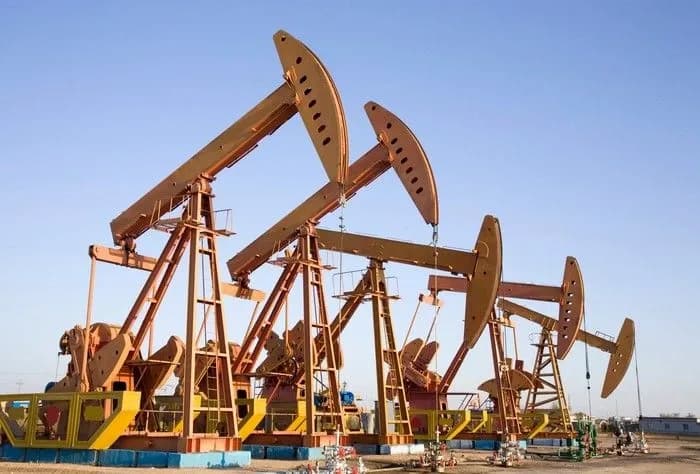
Libya’s state-owned National Oil Corporation (NOC) has reported that crude oil production has climbed to 1.43 million barrels per day. According to The Libya Observer, which cited official data released in early April, this marks the highest production level in over a decade.
Production Hits Decade High
The increase moves Libya closer to its pre-2011 output levels. During that period, the country home to Africa’s largest proven crude reserves, estimated at between 48.3 billion and 48.4 billion barrels produced between 1.6 million and 1.7 million barrels per day, according to the U.S. Energy Information Administration. The rebound reflects a gradual resumption of operations at several oil fields and export terminals. The NOC said production has stabilised after earlier disruptions caused by blockades and technical challenges. It also noted that improved infrastructure availability has supported sustained output.
Rising Oil Revenues
Oil revenues reached 10.7 billion Libyan dinars (about $1.67 billion) in February 2026, according to the Central Bank of Libya. These earnings, driven by hydrocarbon exports, underline the country’s heavy dependence on the oil sector. Oil and gas continue to dominate Libya’s economy, accounting for around 95% of exports and 90% of government revenue, based on data from the Central Bank of Libya and Coface. In October 2025, authorities set a target to raise production to 1.6 million barrels per day by the end of 2026.
To support this goal, Libya is developing an oil sector recovery programme backed by investments estimated between $3 billion and $4 billion. The funding is aimed at modernising infrastructure and restoring production capacity. Authorities have emphasised that sustaining current output will depend on a reliable electricity supply and the proper functioning of oil installations, according to The Libya Observer.