Libya's Oil Revenue Hits Decade High as Production and Prices Rise
Libya's state-owned National Oil Corporation (NOC) generated approximately $4 billion in revenue during May 2026, marking its strongest monthly performance in more than a decade. The figure was announced by NOC Chairman Masoud Suleiman during an event at the company's headquarters in Tripoli on June 1. Suleiman attributed the result in part to reforms introduced
Libya's Oil Revenue Hits Decade High as Production and Prices Rise
Libya’s state-owned National Oil Corporation (NOC) generated approximately $4 billion in revenue during May 2026, marking its strongest monthly performance in more than a decade. The figure was announced by NOC Chairman Masoud Suleiman during an event at the company’s headquarters in Tripoli on June 1. Suleiman attributed the result in part to reforms introduced by the company’s board, including new internal guidelines governing authority and delegation processes aimed at improving efficiency and streamlining decision-making.
NOC also recorded a milestone in fuel logistics during May, chartering 17 tankers to transport gasoline to Libya, the highest number in the company’s history.
Higher Oil Prices Boost Revenue
The revenue milestone coincided with favourable conditions in global energy markets. Tensions involving Iran, the United States and Israel disrupted oil flows through the Strait of Hormuz, pushing Brent crude prices close to $120 per barrel. Libya, which is exempt from OPEC+ production quotas, benefited directly from the rise in oil prices while maintaining strong production levels.
The latest figures build on momentum already visible in the country’s energy sector. Oil revenue rose by 18% in 2025 to nearly $22 billion, while crude production reached 1.43 million barrels per day in April, its highest level in more than a decade.
Reforms Continue to Strengthen the Sector
Government support has also contributed to the sector’s recent growth. In April, Libya approved its first unified national budget in 13 years, allocating 12 billion dinars, approximately $1.9 billion, to support NOC’s production and investment activities. Earlier this year, the country launched its first oil and gas exploration licensing round in 17 years, signalling renewed efforts to attract international energy companies and expand future production capacity.
Despite the strong revenue performance, Suleiman said NOC spent more than $1 billion importing fuel during May to meet domestic demand. Yet shortages continue at filling stations across parts of the country.
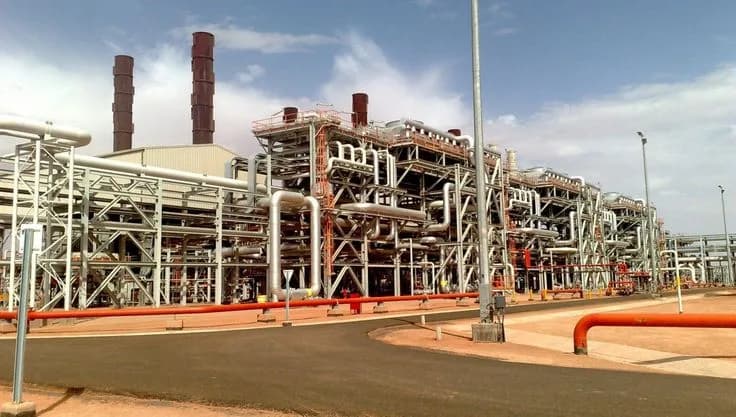
According to Suleiman, the issue is not one of supply but rather fuel distribution and control mechanisms, as well as efforts to prevent the illegal diversion of fuel. To reduce dependence on imports, NOC is moving ahead with plans for a 30,000-barrel-per-day refinery in Ubari in southwestern Libya. The facility, being developed by NOC subsidiary Zallaf, forms part of a broader strategy to process more of Libya’s hydrocarbons domestically and capture greater value from the country’s energy resources.