Key things you need to consider before committing to any form of credit
Unlocking opportunities through access to credit, such as starting a side business, home renovations, or furthering education, is a common aspiration for many. However, the increasing cost of credit, driven by high interest rates, poses challenges in today's economy. In light of this, consumers are urged to arm themselves with essential knowledge before committing to

Key-things-you-need-to-consider-before-committing-to-any-form-of-credit-
Unlocking opportunities through access to credit, such as starting a side business, home renovations, or furthering education, is a common aspiration for many. However, the increasing cost of credit, driven by high interest rates, poses challenges in today’s economy. In light of this, consumers are urged to arm themselves with essential knowledge before committing to any credit arrangement, particularly understanding how interest rates impact borrowing costs from financial institutions.
Pearl Cele, Operations Manager at FNB Consumer Education, elucidates, “Credit entails borrowing money or purchasing goods/services with the commitment to repay later, typically with interest. Interest, in essence, serves a dual purpose: it represents earnings when depositing funds into an interest-bearing savings or investment account, and conversely, it denotes the cost incurred for utilizing credit (i.e., borrowing money).”
Essentially, when engaging with a credit provider—be it a bank, financial institution, or retail store—additional charges are levied for borrowing or purchasing goods on credit. Beyond interest, borrowers may also encounter additional fees such as administrative or service charges and initiation fees, collectively termed as the cost of credit or borrowing.
Understanding these fundamentals empowers consumers to make informed decisions regarding credit utilization, ensuring they navigate the financial landscape with prudence and foresight.
Cele shares some of the different forms of credit available to alleviate the financial pressures:
- Loans – borrowing money from a lender or a financial institution such as a bank; and you pay the money back over a certain period, with interest. Loans can be short-term or long-term.
- Short-term loans – are usually for smaller amounts and have to be paid back within a short time frame. e.g., personal loan.
- Long-term loans – are usually for larger amounts, for more expensive items such as a car or home. The loan term is longer for example, 5 years for a car loan or 20 years for a home loan.
- Credit accounts/ instalments
- This is where a retail store will allow you to get a service or goods (such as clothes, furniture, etc.) on credit or “account” but pay for them in instalments over a period of time. e.g., retail credit or store credit accounts. You are usually given a credit limit of how much you can buy for, and you make repayments in monthly instalments.
- Another example of credit accounts is hire purchase/lay buy? (instalment sale agreement) – this is another form of credit where the shop allows you to take something and use it immediately and pay later or in installments. This kind of credit can be used for buying items such as furniture or appliances, in some instances cellphones.
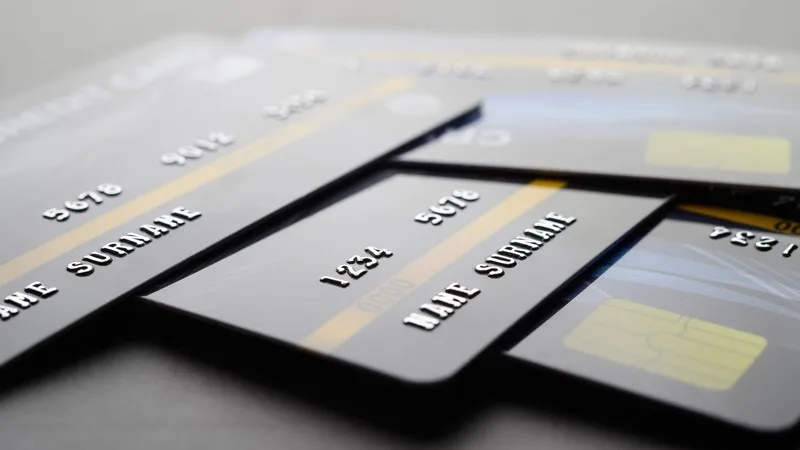
- Financial institutions also use terms such as revolving credit to refer to this line of credit which allows you to borrow a certain amount of money to a certain limit (known as a credit limit) and repay it over time, usually on a month-to-month basis. You can borrow, pay and borrow again as long as you stay within the credit limit and make timely payments, interest is only charged on the amount you borrow. Examples of revolving credit include credit cards, revolving loans and store accounts. Generally speaking, revolving credit is more expensive (i.e., it charges a higher interest rate) than e.g., long term loans (vehicle loan), but the latter can be more difficult to qualify for.
- Secured and unsecured credit
- Secured credit means the bank or the lender, holds or accepts one of your assets as collateral in exchange for giving you the loan – like your car, or your home. The person borrowing has to allow the bank to use one of their assets or sign that their asset can be used by the bank or lender as security. Some examples of secured credit are home loans and vehicle loans. In cases where you default (you do not repay the debt) the lender has a right to take possession of the asset in order to recover their loss due to your non-payment. This can be one of the risks or disadvantages with secured lending.
- Unsecured credit means the bank or the lender, doesn’t have any assets or possession to hold onto in exchange for giving you a loan. They take your promise that you will repay and also consider other factors, like checking your credit record to see how you have repaid loans in the past. They may charge slightly higher interest compared to secured lending, as you have not pledged or signed over any asset as security. Examples of unsecured credit are credit cards, personal loans and other short-term loans.
“While there are many types of credit available to alleviate the financial pressures in these tough economic times, we encourage consumers to equip themselves with the necessary information and to always get a quote before committing to any form of credit. We also urge consumers to not borrow more than they need and overly extend themselves but to borrow responsibly,” concludes Cele.