Kenyan President Ruto Defends Controversial Debt Reduction Measures Amidst Economic Turmoil
In a bold move to address Kenya's mounting economic challenges, President William Ruto has staunchly defended his administration's efforts to cut "unnecessary" public debt. This comes amid public outcry over the removal of subsidies and the implementation of new taxes, with Finance Minister Njuguna Ndung'u acknowledging the country's "difficult financial position." Facing a trifecta of
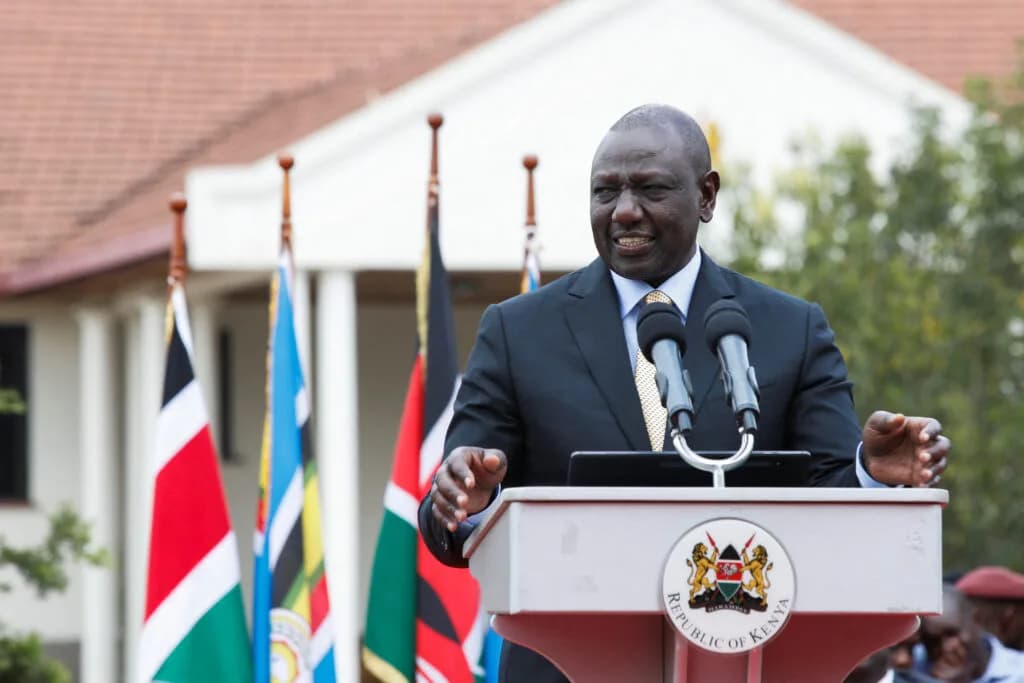
Kenyan President Ruto Defends Controversial Debt Reduction Measures Amidst Economic Turmoil
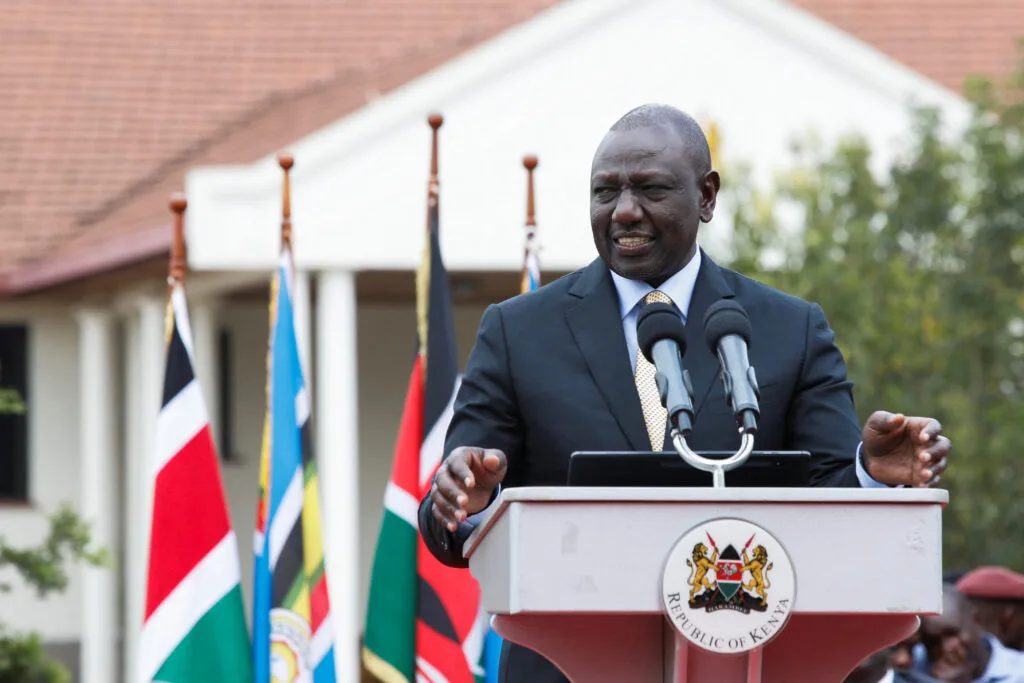
In a bold move to address Kenya’s mounting economic challenges, President William Ruto has staunchly defended his administration’s efforts to cut “unnecessary” public debt. This comes amid public outcry over the removal of subsidies and the implementation of new taxes, with Finance Minister Njuguna Ndung’u acknowledging the country’s “difficult financial position.”
Facing a trifecta of issues including depleted government coffers, skyrocketing inflation, and a plunging currency, Kenya’s economic stability is on shaky ground. With a debt exceeding 10.1 trillion shillings ($66 billion) by June, equivalent to about two-thirds of the GDP, Ruto declared in his recent state of the nation address that it’s time for the nation to retract from a lifestyle beyond its means.
Since assuming office in August 2022, President Ruto has introduced a series of new taxes and levies, deviating from his campaign promises. He has also slashed food and fuel subsidies introduced by his predecessor, emphasizing a preference for subsidizing production over consumption.
Ruto acknowledges the challenges of this new direction but asserts its ethical, responsible, and necessary nature. He emphasizes the need to make difficult decisions, confronting the reality without hesitation or equivocation to fulfill the obligation to the people of Kenya.
Despite these measures, inflation remains persistently high, reaching an annual rate of 6.9 percent in October, with food and fuel prices continuing to climb. Servicing the public debt, primarily to China, has become increasingly expensive as the Kenyan currency hits record lows against the US dollar. Additionally, the government faces a daunting $2 billion Eurobond repayment due in June next year.
President Ruto announced that Kenya will pay the first installment of the Eurobond repayment, amounting to $300 million, next month. He acknowledges that public debt has become a source of concern for citizens, markets, and international partners.
In July, Fitch Ratings downgraded Kenya’s ability to repay international lenders from “stable to negative,” citing the impact of tax hikes and social unrest on the nation’s financial stability. As Kenya navigates this challenging economic terrain, President Ruto remains resolute in his commitment to steering the country towards fiscal responsibility, despite the inevitable hardships that lie ahead.