Kenyan Competition Watchdog Orders Glovo and Uber Eats to Establish Local Offices
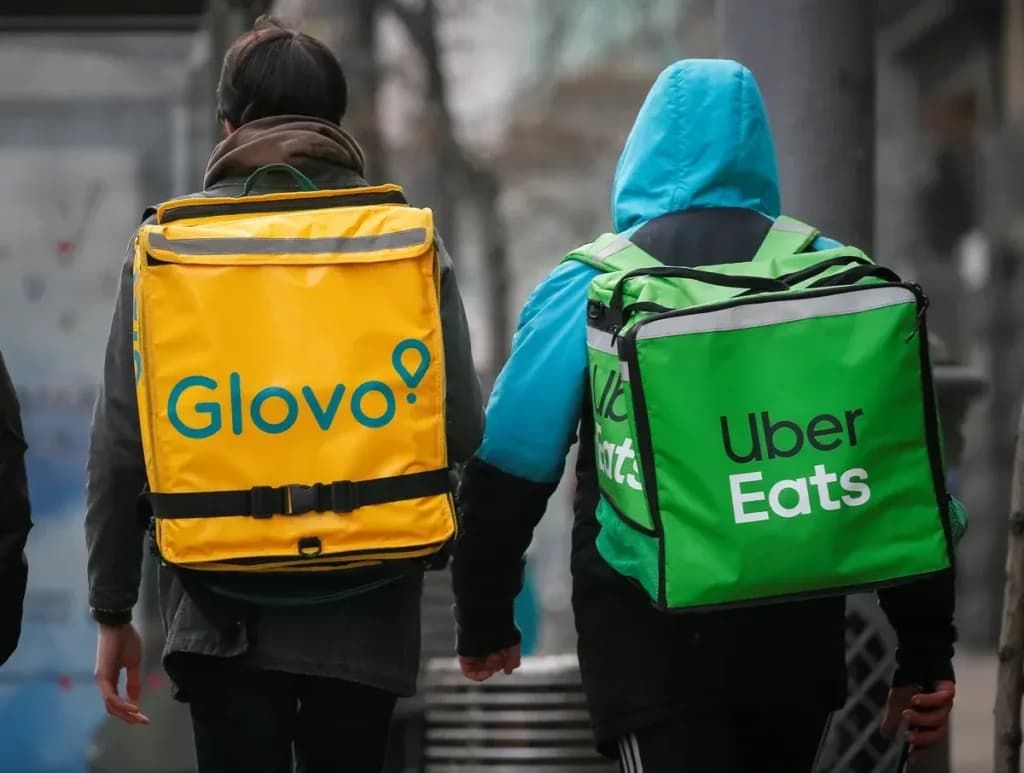
In a bid to enhance complaint resolution efficiency, the Competition Authority of Kenya (CAK) has directed leading online food delivery platforms, Glovo and Uber Eats, to establish physical offices within the country. The move comes as the competition watchdog seeks to address persistent challenges in resolving customer complaints swiftly. According to the CAK, a recent
Kenyan-Competition-Watchdog-Orders-Glovo-and-Uber-Eats-to-Establish-Local-Offices
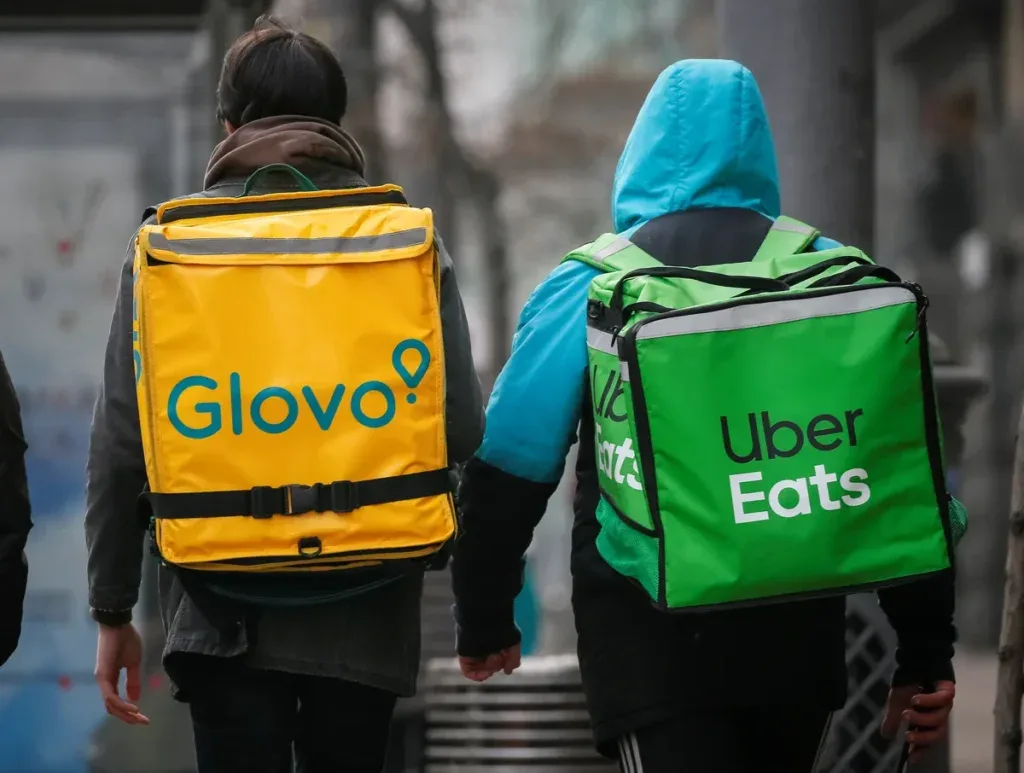
In a bid to enhance complaint resolution efficiency, the Competition Authority of Kenya (CAK) has directed leading online food delivery platforms, Glovo and Uber Eats, to establish physical offices within the country. The move comes as the competition watchdog seeks to address persistent challenges in resolving customer complaints swiftly.
According to the CAK, a recent survey revealed significant delays and inefficiencies in addressing complaints lodged against these companies, largely attributed to the absence of local offices. With the majority of operations managed from abroad, customers often encounter prolonged redress processes, inaccessible customer service offices, and delayed responses to emails.
In a statement, the CAK emphasized the need for Glovo and Uber Eats to establish local offices in Kenya to facilitate prompt resolution of consumer issues and ensure effective competition management within the industry.
In addition to mandating the establishment of local offices, the competition watchdog has advocated for the development of a self-regulation framework. This framework, deemed necessary in the absence of a comprehensive legal framework governing online food and grocery delivery services in Kenya, aims to address the growing concerns surrounding service quality and consumer protection.
Complaints against food delivery companies have been on the rise, with delays in order delivery accounting for a significant portion of grievances. Other common complaints include non-disclosure of full price information, delivery of incorrect products, additional delivery charges, price overcharges, and delivery of spoiled food.
Despite the surge in complaints, many Kenyan consumers face challenges in lodging formal grievances, primarily due to the lack of accessible complaint channels. Reports indicate that only a small percentage of consumers have filed complaints against these companies, underscoring the need for improved accessibility to complaint mechanisms.
Jumia Foods currently stands as the only food delivery company with a local office in Kenya, headquartered in Nairobi. In contrast, Glovo’s headquarters is situated in Barcelona, Spain, while Uber Eats operates from San Antonio, Texas, USA. The presence of international headquarters has posed challenges in addressing local consumer concerns effectively.
The food delivery sector in Kenya has experienced exponential growth, particularly accelerated by the COVID-19 pandemic. With millions of citizens opting for delivery services amid lockdown measures, the sector has witnessed a surge in demand. Statista forecasts indicate significant growth in the country’s meal delivery segment, with revenues expected to reach $306.70 million by 2023.
However, the intensified competition within the food delivery market has prompted companies like Uber Eats to diversify their offerings. In response to market dynamics and changing consumer preferences, Uber Eats expanded its services to include delivery of alcohol, drugs, and household supplies in Kenya.
Wangui Mbugua, General Manager of Uber Eats in Kenya, emphasized the necessity of diversification to remain competitive and adapt to evolving market conditions. As the food delivery landscape evolves, the establishment of local offices and the adoption of self-regulation measures are crucial steps toward ensuring a transparent and consumer-centric industry in Kenya.