Kenyan Banks Rush to Lower Lending Rates Amid CBK Crackdown
Kenyan banks are swiftly reducing their lending rates following a firm directive from the Central Bank of Kenya (CBK), which has warned financial institutions of daily penalties for non-compliance. The regulator has intensified its enforcement efforts, targeting banks that have been slow to pass on the benefits of recent rate cuts to borrowers. Despite multiple
Kenyan Banks Rush to Lower Lending Rates Amid CBK Crackdown
Kenyan banks are swiftly reducing their lending rates following a firm directive from the Central Bank of Kenya (CBK), which has warned financial institutions of daily penalties for non-compliance.
The regulator has intensified its enforcement efforts, targeting banks that have been slow to pass on the benefits of recent rate cuts to borrowers. Despite multiple reductions in the Central Bank Rate (CBR) aimed at making credit more affordable, some lenders have been reluctant to adjust their rates. Under Kenya’s Banking Act, the CBK has the authority to impose hefty fines, KES 20 million ($154,619) or three times the financial gains reaped from non-compliance.
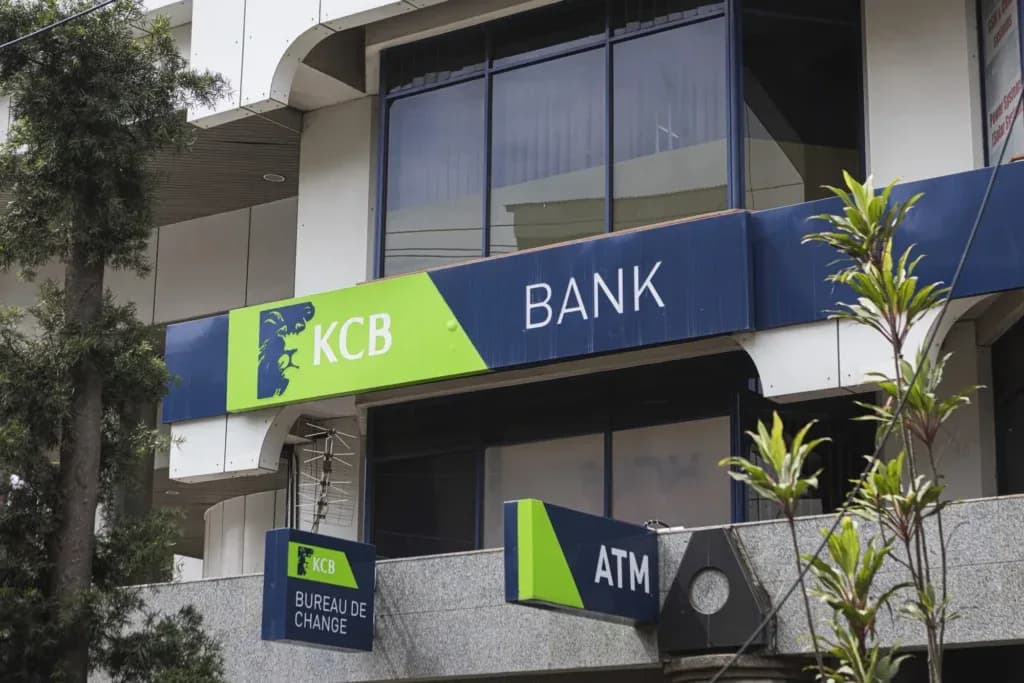
Additionally, banks face daily penalties of KES 100,000 ($773) per violation, while individual executives risk fines of up to KES 1 million ($7,730). In response, leading financial institutions, including KCB Group, Equity Group, Cooperative Bank, I&M, and DTB, have lowered their interest rates by one to four percentage points. The CBK aims to stimulate economic activity and ease financial pressure on households and businesses.
Equity Bank has emerged as the most proactive lender, having reduced borrowing costs three times in the past six months. This makes it the only major financial institution consistently aligning its rates with CBK’s monetary policy changes.
“The regulator expects banks to reflect recent monetary policy adjustments in their lending rates, but they have not done so,” said a senior CBK official, speaking on condition of anonymity. “Non-compliance will result in penalties.”
To ensure compliance, the CBK has ramped up monitoring efforts, conducting onsite inspections to verify that loan pricing aligns with banks’ risk-based models and the declining benchmark rate. Institutions that have yet to adjust their rates are expected to comply swiftly to avoid financial repercussions.
“We are simply asking banks to be fair and adjust their lending rates as quickly as they did when policy and treasury rates were rising,” CBK Governor Kamau Thugge stated on December 6.
Thugge underscored that lower lending rates would ultimately benefit banks by fostering a healthier credit environment. He warned that maintaining high rates could harm both financial institutions and the broader economy. “If they persist on this path, it will be a lose-lose situation, and economic growth will suffer,” he stated.
Between November and December 2024, Thugge convened meetings with banking executives, urging them to cut borrowing costs to support economic growth. However, only a few lenders, including Equity Bank, responded promptly with rate reductions.
Despite three consecutive rate cuts by the CBK, the gap between its benchmark rate and actual lending rates has widened to its highest level in nearly three years, raising concerns over weak monetary policy transmission.
The average lending rate has surged to 17.22%, the highest in eight years, contributing to a 1.4% decline in private sector credit growth. Since August 2024, the CBK has slashed the benchmark rate by 2.25 percentage points to 10.75%, with the most recent reduction taking place on February 5, 2025.
Main Image: Tech Cabal