Kenya to Increase Borrowing Amid Budget Deficit Crisis, Says President Ruto
Kenyan President William Ruto has announced that the country will resort to additional borrowing to address a growing budget deficit following the rejection of a finance bill intended to boost tax revenue. After deadly protests erupted last week, Ruto opted not to sign the bill and instead requested its withdrawal from parliament. In a televised
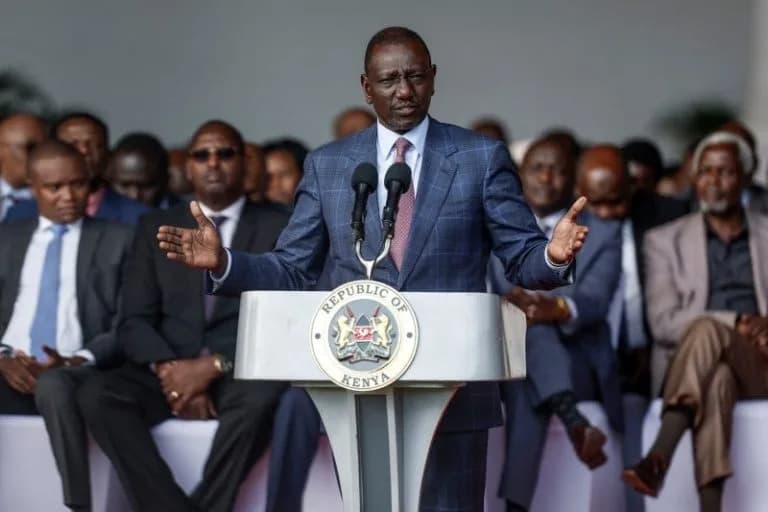
Kenya-to-Increase-Borrowing-Amid-Budget-Deficit-Crisis-Says-President-Ruto
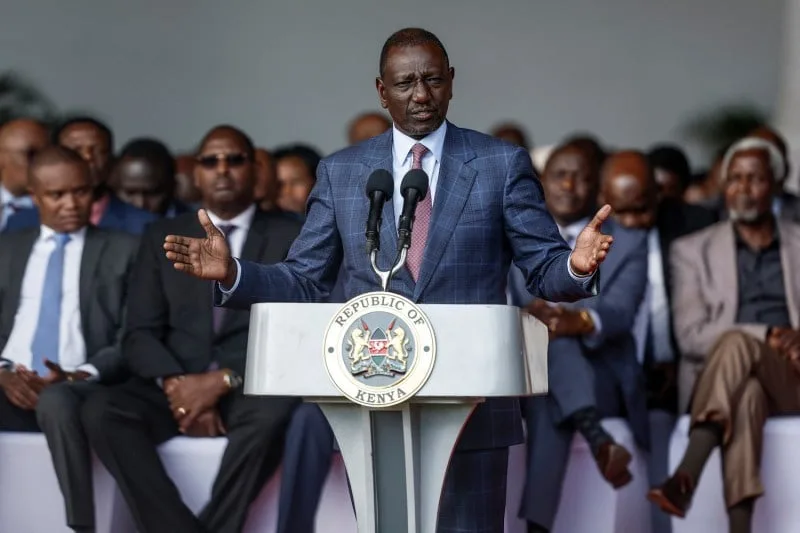
Kenyan President William Ruto has announced that the country will resort to additional borrowing to address a growing budget deficit following the rejection of a finance bill intended to boost tax revenue.
After deadly protests erupted last week, Ruto opted not to sign the bill and instead requested its withdrawal from parliament.
In a televised interview on Sunday, Ruto acknowledged that the bill’s failure had significantly impacted the government’s efforts to alleviate Kenya’s debt burden. Currently, approximately 60% of the nation’s revenues are allocated to debt servicing.
To address the financial shortfall, Ruto stated that East Africa’s largest economy would seek to borrow one trillion Shillings ($7.6 billion) from lenders. These funds are intended to support social services and other government programs.
The proposed new taxes were projected to generate about $2.7 billion in revenue.
Last week, lawmakers had overwhelmingly approved the finance bill shortly before protesters stormed parliament, setting parts of the building on fire.
The protesters argue that the government should focus on reducing corruption and waste rather than increasing taxes. In response, President Ruto has pledged to cut the presidency’s budget and eliminate non-essential expenditures.
Kenya’s current debt exceeds $80 billion, with a significant portion denominated in foreign currency.
Main Image: Foreign Policy