Small Mines, Big Rules: The Compliance Struggle of Junior Miners in Africa
Junior mining companies sit at the frontline of resource discovery and early-stage development, taking on projects that larger firms consider too uncertain or capital-intensive. Their role is vital opening up new mineral opportunities, supporting employment, and contributing to local economies. But, despite this importance, junior miners face a disproportionate challenge: navigating a complex and often
Small Mines, Big Rules: The Compliance Struggle of Junior Miners in Africa
Junior mining companies sit at the frontline of resource discovery and early-stage development, taking on projects that larger firms consider too uncertain or capital-intensive. Their role is vital opening up new mineral opportunities, supporting employment, and contributing to local economies. But, despite this importance, junior miners face a disproportionate challenge: navigating a complex and often costly compliance landscape.
Limited Capacity, Expanding Requirements
Unlike large multinational corporations with deep financial reserves and dedicated legal teams, junior miners operate with limited capital and lean structures. For them, compliance is not just a procedural requirement it is a significant operational burden. Licensing fees, environmental impact assessments, community engagement obligations, and reporting standards all require time, expertise, and money. Before a single ounce of mineral is extracted, junior miners must often secure multiple permits across different government departments, each with its own timelines and requirements.
This fragmented regulatory environment can delay projects for months or even years. In some cases, promising exploration efforts stall not because of geological uncertainty, but due to administrative bottlenecks. For a junior miner, such delays are not just inconvenient—they can be existential. Without steady cash flow or access to large financing, prolonged compliance processes can quickly erode already tight budgets.
The ESG and Enforcement Challenge
Environmental and social governance (ESG) standards Further compound the complexity of an already challenging system. While these frameworks are essential for ensuring sustainable and responsible mining, they can be difficult for smaller operators to implement effectively. Meeting environmental compliance standards, conducting community consultations, and maintaining transparent reporting systems require technical capacity that many junior miners simply do not have in-house. As a result, they must rely on external consultants, further increasing costs.
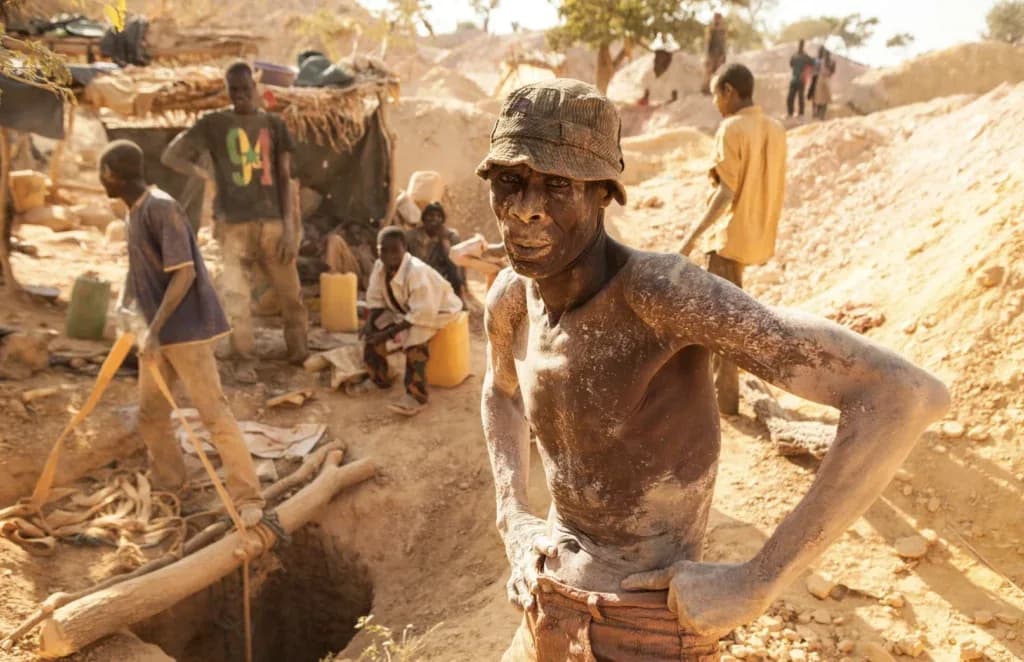
At the same time, inconsistent enforcement across jurisdictions creates an uneven playing field. In some regions, informal or artisanal miners operate with minimal oversight, while formally registered junior companies are held to strict regulatory standards. This imbalance not only discourages formalization but also undermines the competitiveness of compliant operators who are already operating on thin margins.
Wider Industry Impact
The implications extend beyond individual companies. When junior miners struggle, the broader mining ecosystem feels the impact. Exploration activity declines, new projects are delayed, and opportunities for local economic development are lost. In a continent rich in mineral resources many of which are critical to the global energy transition this represents a missed opportunity.
Addressing these challenges does not mean lowering standards. Rather, it requires smarter, more streamlined regulatory frameworks that recognize the realities of smaller operators. Simplifying licensing processes, improving coordination between regulatory bodies, and providing technical support can make compliance more accessible without compromising accountability.
Junior miners are essential to Africa’s mining future. They are the risk-takers, the early movers, and often the bridge between discovery and large-scale investment. Ensuring that compliance frameworks enable rather than hinder their growth will be key to unlocking the continent’s full mineral potential.