Is African Debt Mis-priced? Questioning the Persistent Interest Rate Bias Against the Continent
Recent comments by Ghana’s President John Dramani Mahama and Finance Minister Cassiel Ato Forson have reignited debate about how international markets price African sovereign debt. Speaking at an investor conference in London in early June 2026, they described African debt as “mispriced” and called for faster, fairer restructuring tools. Ghana is aiming for investment-grade status
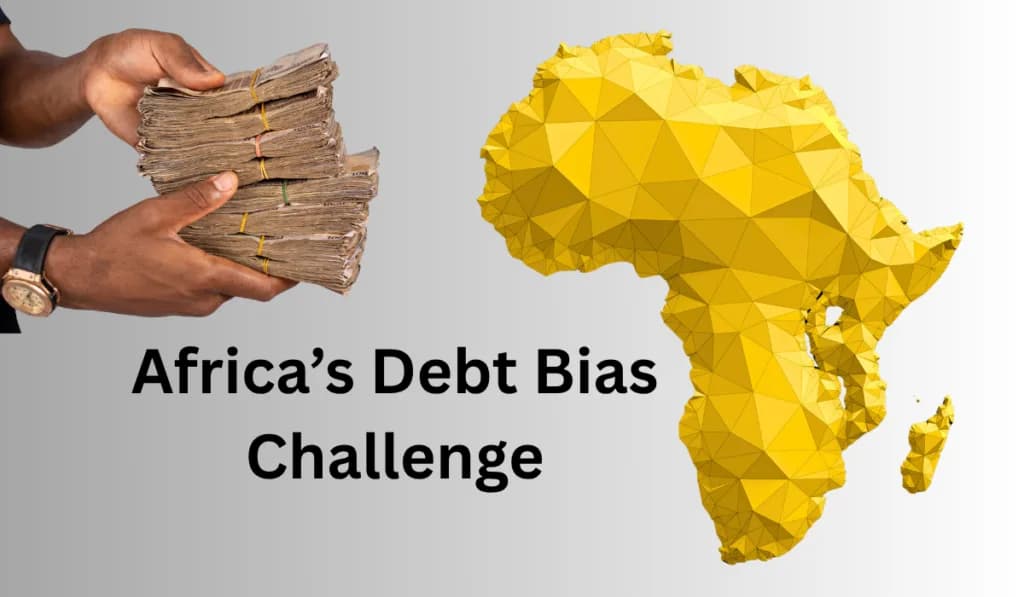
Is African Debt Mis-priced? Questioning the Persistent Interest Rate Bias Against the Continent
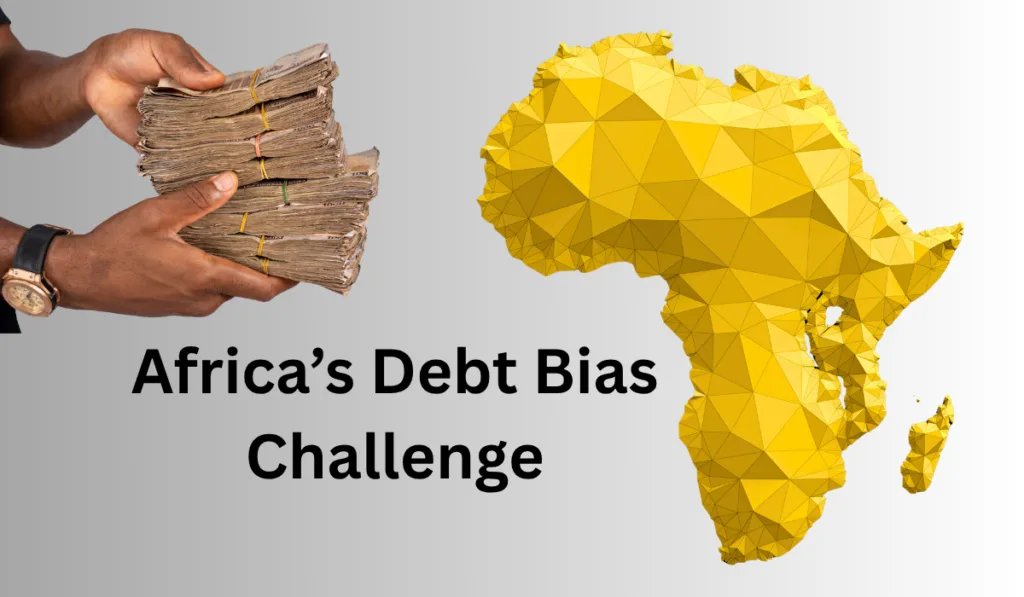
Recent comments by Ghana’s President John Dramani Mahama and Finance Minister Cassiel Ato Forson have reignited debate about how international markets price African sovereign debt. Speaking at an investor conference in London in early June 2026, they described African debt as “mispriced” and called for faster, fairer restructuring tools. Ghana is aiming for investment-grade status within three years, and their remarks highlight a long-standing grievance:
African countries appear to pay a significant premium compared to other emerging markets, even when economic fundamentals look comparable.
The questions that require answers are:
- Does this bias exist, who benefits from it, and how it harms individual African states,
- What a genuine reset might require?
- And are calls for an African credit rating agency justified in seeking a balanced view on domestic responsibilities.
The Scale of the Alleged Bias
Data consistently shows African countries face higher borrowing costs than peers in Asia and Latin America with similar risk profiles. African sovereign bonds often yield around 9.1% on dollar-denominated debt, compared to 6.5% in Latin America and 4.7% in emerging Asia. Studies, including from the UNDP, estimate this “Africa premium” has cost the continent tens of billions in excess interest payments and lost financing opportunities.
Credit ratings play a central role in building misaligned perceptions. As of late 2025, only three or four African countries held investment-grade ratings from the major agencies. Many others receive “junk” status or remain unrated, triggering higher rates and restricting investor participation. Research indicates African nations are often rated more conservatively than countries in other regions with equivalent debt-to-GDP ratios, inflation levels, or governance indicators.
Comparisons are revealing. A country in Southeast Asia with moderate fiscal deficits and political stability might borrow at rates 200–400 basis points (2%-4%) lower than an African counterpart in a similar position. In Latin America, nations like Brazil or Colombia, despite facing their own challenges such as inequality and fiscal volatility, frequently secure more favourable terms than many sub-Saharan economies. This gap persists even when adjusting for commodity dependence or external shocks.
The bias appears structural. Global investors and rating agencies apply a generalised regional overlay, sometimes called “Africa risk” that amplifies perceived vulnerabilities. Limited data coverage, fewer analysts on the ground, and historical narratives of instability contribute to information asymmetries. During global risk-off periods, this premium widens further as capital flees to safer assets.
Who Gains While Africa Pays?
The current system benefits several powerful players. International bondholders, including hedge funds and institutional investors in Europe and the United States, earn higher yields on African debt. Private creditors often charge 6–10% or more, compared to much lower rates from multilateral lenders. This creates a situation where cheap concessional loans from development banks indirectly subsidise higher returns for private investors.
Chinese lenders have also gained significant market share, though at rates typically between multilateral and pure commercial levels. The structure allows well-capitalised external actors to extract premium returns while African governments shoulder the repayment burden through taxes and reduced public spending. From 2000–2023. Chinese lenders extended roughly $182 billion across 1,306 loans to 49 African countries and hold an estimated 20% share of Africa’s current debt.
Rating agencies themselves maintain influence and revenue from a concentrated market. The “Big Three” control over 95% of global ratings, and their methodologies have faced criticism for insufficient adaptation to African contexts, such as the role of informal economies or long-term development investments.
In essence, the system transfers wealth from African taxpayers to external creditors and intermediaries, often without corresponding improvements in development outcomes.
How Individual States and Citizens Suffer
When one African country faces debt distress or defaults, the effects rarely stay isolated. Contagion spreads through heightened risk perceptions. A default in Zambia, for example, can push up borrowing costs across the region as investors reassess the entire continent. This “guilt by association” makes it harder for stable performers like Kenya, Ghana, or Senegal to access affordable capital.
Higher interest payments crowd out essential spending. Many governments now allocate more to debt servicing than to health or education. This slows infrastructure development, job creation, and poverty reduction. Companies within these countries also face elevated borrowing costs, as sovereign rates set a floor for private lending. Investment in productive sectors declines, perpetuating slow growth and vulnerability to shocks.
Citizens bear the human cost: reduced access to services, higher taxes or inflation, and lost economic opportunities. The cycle becomes self-reinforcing — high debt costs limit growth, which in turn worsens debt sustainability and keeps ratings low.
The Case for an African Ratings Agency
Frustration with the status quo has led to calls for an African Credit Rating Agency (AfCRA), with operations expected to begin in 2026. Proponents argue a homegrown agency could provide more contextual assessments, better data utilisation, and fairer methodologies tailored to African realities.
Success will not be automatic. For the agency to reduce borrowing costs meaningfully, its ratings must gain credibility and acceptance in global capital markets. Investors will need transparent methodologies, rigorous analysis, and a track record of accuracy. Without broad marketplace trust, it risks becoming a marginal player issuing optimistic ratings that major investors ignore.
A proper reset requires more than a new agency. Global rating methodologies should evolve to better reflect African circumstances while maintaining consistency. Greater transparency in debt contracts, improved data quality, and diversified creditor engagement could also help.
A Fair Perspective: Domestic Responsibilities Matter
While external biases deserve scrutiny, African governments must also address internal challenges. Weak fiscal controls, excessive spending, and corruption have contributed to debt accumulation in many cases. Funds intended for infrastructure often fail to deliver expected returns due to poor execution or diversion of funds. Political instability and policy inconsistency further erode investor confidence.
Sustainable progress demands stronger governance, spending restraint, and rigorous project oversight. Debt must finance genuine drivers of growth such as road infrastructure, power generation and improved power grids, education, and digital infrastructure. These create jobs and expand the tax base leading to higher GDP’s and more local manufacturing and stronger economies. Leaders who demonstrate discipline and transparency will find it easier to challenge unfair external pricing.
A balanced reset involves two sides: the international system reducing unjustified premiums and biases, and African states building credible institutions and track records. Without both, the cycle of high costs and limited development will continue.
This debate ultimately concerns more than finance. It touches on fairness in the global economic order and the ability of a continent with enormous potential to fund its own transformation. Whether Ghana’s ambition for investment grade by 2029 and similar efforts across the region will succeed, greatly depends on reforms at both ends — international markets and domestic policy. The stakes are high with billions in potential savings that could fund real progress instead of interest payments on the African Continent.
Will Africa’s Leaders rise to this challenge and help lift the continent out of its current debt burden?