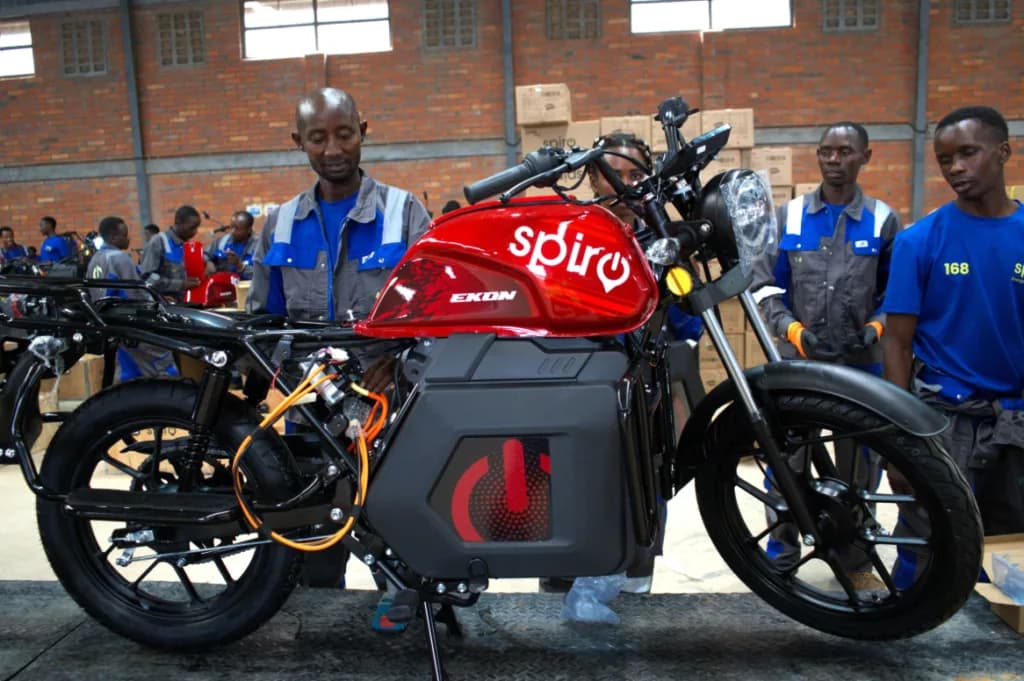
India's Electric Two-Wheeler Market Booms with Over 150 Startups
In a testament to India's burgeoning interest in clean energy and sustainable transportation, the electric two-wheeler market has witnessed a remarkable surge, boasting over 150 startups—a significant leap from just 54 in 2021. This revelation comes from a recent analysis highlighting the impact of government incentives aimed at fostering the adoption of eco-friendly vehicles and
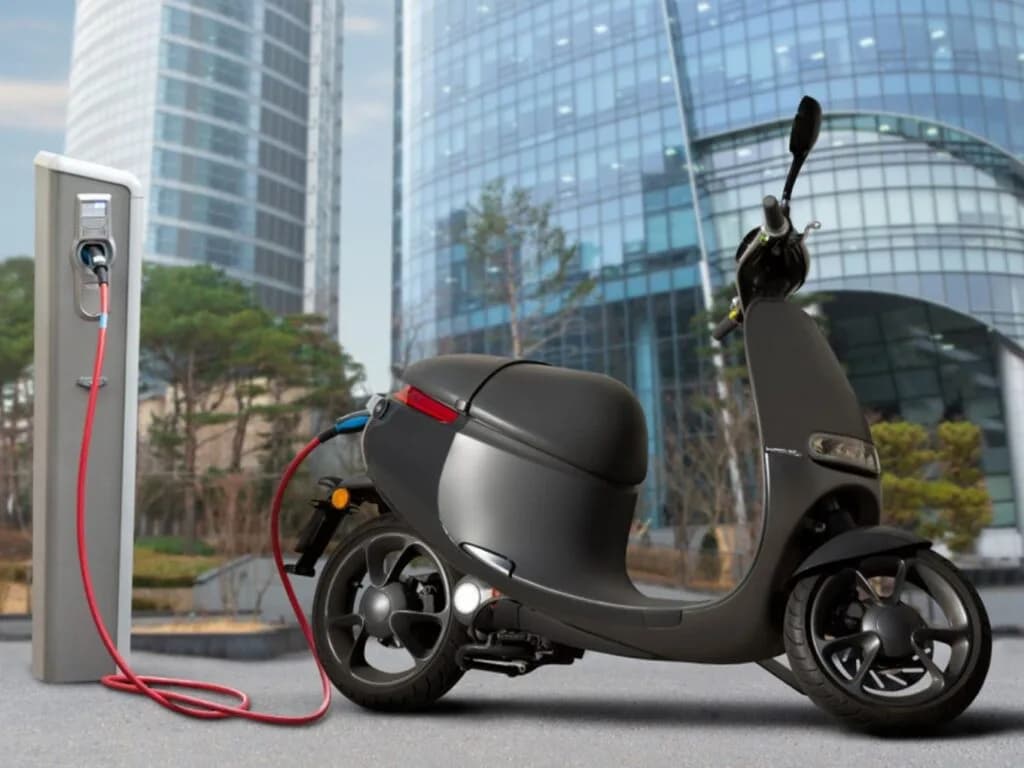
Indias-Electric-Two-Wheeler-Market-Booms-with-Over-150-Startups
In a testament to India’s burgeoning interest in clean energy and sustainable transportation, the electric two-wheeler market has witnessed a remarkable surge, boasting over 150 startups—a significant leap from just 54 in 2021. This revelation comes from a recent analysis highlighting the impact of government incentives aimed at fostering the adoption of eco-friendly vehicles and reducing dependence on oil imports.
According to insights from Bernstein, a renowned financial research and analysis firm, this influx of startups has fueled unprecedented competition in a segment poised for exponential growth. Bernstein’s report, released late Tuesday, forecasts a staggering 15-20 fold increase in annual sales, projecting figures to reach 15-20 million units over the next decade.
“Most of these startups are vying for a share in the mainstream market,” remarked analysts from Bernstein. “In fact, 85% of the 65 models introduced last year belonged to this category—high-speed variants, a departure from the previously dominant speed and range-constrained offerings typical of startups.” Notably, the average battery capacity of these new launches has seen a notable uptick, climbing from 2.3kWhr in 2022 to 3kWhr.
India’s ambitious targets include achieving a 30% electric vehicle penetration rate by 2030, with a long-term vision of achieving net zero carbon emissions by 2070. To propel this mission, the government has rolled out incentives under its FAME II scheme, which extends subsidies to buyers and was recently prolonged until 2024.
Despite a reduction in FAME II subsidies midway through 2023, the number of electric two-wheeler companies continued to soar, climbing from 124 in June 2023 to 152 by January 2024, with a significant portion of this growth attributed to “importers” sourcing components or entire vehicles from overseas markets, particularly China.
“Many of these startups are essentially assembling kits sourced from China,” noted Kunal Khattar, founder of AdvantEdge, a venture firm focusing on mobility. “The challenge lies not in manufacturing the EVs but rather in building brand recognition and establishing distribution networks.”
Presently, startups dominate seven out of the top 10 spots in the market, with Ola Electric leading the pack with a commanding 39% share as of January 2024. However, despite this startup dominance, approximately 85% of sales volumes are concentrated among the top five players.
Bernstein’s analysis underscores the relatively low barriers to entry in the electric two-wheeler segment, facilitated by the use of outsourced models and readily available components. Surprisingly, only about half of the 35 founders analyzed by Bernstein had engineering backgrounds.
In response to the evolving landscape, the government is pivoting towards production-linked incentives (PLI) aimed at incentivizing domestic manufacturing. While most established automotive companies have secured PLI benefits, only a select few startups have qualified, potentially giving major incumbents a cost advantage.
Looking ahead, the report envisions opportunities for at least five startups to establish themselves as significant players alongside established industry giants. However, it also warns of intense competition potentially dampening industry profit margins and returns in the medium term.