The Use of Augmented Reality in Digital Marketing Campaigns
In today’s digital marketplace, brands are constantly seeking new ways to stand out and engage consumers. Augmented Reality AR is becoming one of the most powerful tools for this. It blends the digital and physical worlds to create immersive and interactive experiences that go beyond traditional advertising. Transforming Product Visualization One of the main uses
The Use of Augmented Reality in Digital Marketing Campaigns
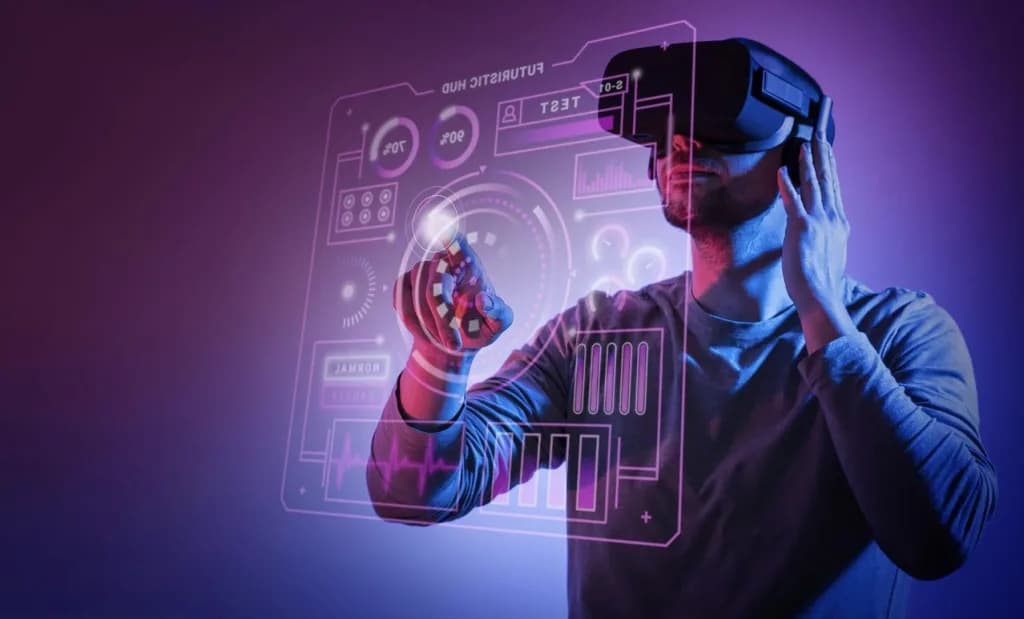
In today’s digital marketplace, brands are constantly seeking new ways to stand out and engage consumers. Augmented Reality AR is becoming one of the most powerful tools for this. It blends the digital and physical worlds to create immersive and interactive experiences that go beyond traditional advertising.
Transforming Product Visualization
One of the main uses of AR in marketing is product visualization. Retailers now offer tools that let customers preview products in their homes using a smartphone. IKEA’s AR app, for example, allows users to place virtual furniture in real spaces. This builds confidence and helps reduce return rates by guiding smarter purchase decisions.
Creating Immersive Brand Experiences
AR also enables brands to create unique storytelling experiences. It turns simple ads into interactive moments that capture attention. Pepsi’s “Unbelievable Bus Shelter” campaign used AR to show people scenes like alien invasions through a bus stop screen. The campaign went viral and highlighted how AR can leave a lasting impression.
Virtual Personalization
In beauty and fashion, AR has transformed the online shopping experience. Brands like L’Oréal and Warby Parker let users try on makeup or glasses virtually. This makes the process more personal and accurate. Customers enjoy more confidence when shopping, leading to higher satisfaction and conversion rates. AR also supports gamified marketing. Brands use it to build fun, interactive campaigns that draw people in. Scavenger hunts using AR can guide users to physical stores or promote social sharing. These campaigns boost both engagement and brand visibility. Every interaction with an AR experience generates data. Marketers can track how users engage and what they prefer. This data helps improve future campaigns. It also allows for more targeted and personalized marketing strategies.
Emerging Trends in South Africa
In South Africa, more companies are exploring AR marketing. Sectors like retail, tourism, and automotive are adopting AR to attract digital audiences. With better mobile access and smartphone usage rising, the country is well positioned for AR adoption. Localized AR content is starting to make an impact in these industries. Consumers want more personalized and interactive content. AR meets this demand by turning static messages into dynamic experiences. It offers a strategic edge to brands that use it well. For companies investing in innovation, AR is more than a trend it’s the future of marketing.Read more here