China to Reinitiate Rare Earth Supply Lines to the United States
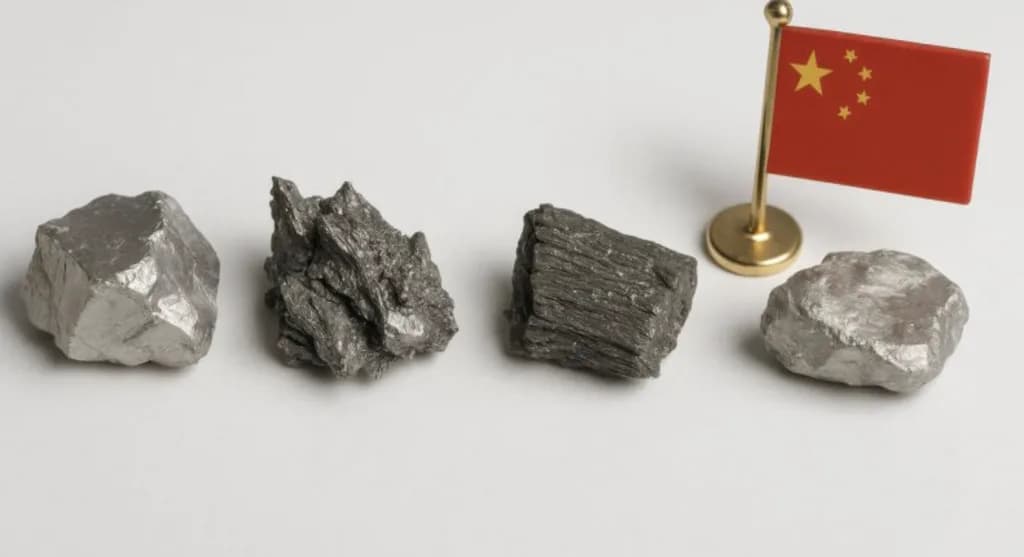
In a significant shift in global trade dynamics, China has agreed to resume exports of rare earth minerals and other critical materials to the United States. This move represents the first concrete breakthrough in efforts to repair strained economic ties between the world’s two largest economies. The resumed exports provide a potentially stabilizing development for
China to Reinitiate Rare Earth Supply Lines to the United States
In a significant shift in global trade dynamics, China has agreed to resume exports of rare earth minerals and other critical materials to the United States. This move represents the first concrete breakthrough in efforts to repair strained economic ties between the world’s two largest economies. The resumed exports provide a potentially stabilizing development for U.S. industries that rely heavily on these strategic materials.
Rare Earths: The Backbone of Modern Technology
Rare earth elements power a wide range of high-tech applications, including electric vehicles, renewable energy systems, military hardware, and consumer electronics. For years, China has dominated the global rare earth supply chain, producing more than 80% of the world’s output. Earlier this year, China halted rare earth exports, triggering alarms across U.S. manufacturing and defense sectors, which depend on these minerals.
A New Agreement Takes Shape
During a White House event on Thursday, President Donald Trump confirmed a new agreement with Beijing. Though both sides have withheld full details, officials in Washington and Beijing acknowledged that rare earth exports are a central part of the deal. In return, the United States plans to lift restrictions on key technology exports to China, including computer chips, jet engines, and ethane a crucial raw material used in plastics and industrial chemicals.
Conditional Commitments from Both Sides
U.S. Commerce Secretary Howard Lutnick emphasized the need to see concrete actions before lifting trade restrictions. “They’re going to deliver rare earths to us,” Lutnick stated during an interview with Bloomberg. “Once that is done, we’ll take down our countermeasures.” This phased approach reflects cautious optimism in Washington, where officials have met past trade deals with skepticism.
China’s Official Response
The Chinese Ministry of Commerce echoed this sentiment, noting that it would approve export applications for controlled items “in accordance with the law.” Although the statement remained cautious, it signaled Beijing’s readiness to restore trade flows if Washington acts in kind.
Trade Truce Takes Root
The deal likely stems from a broader framework negotiated earlier this month during a behind-the-scenes meeting in London between U.S. and Chinese trade representatives. That summit, which received input from both President Trump and Chinese President Xi Jinping, aimed to broker a temporary truce in the escalating trade dispute.
First baby Steps Already Underway
Implementation has already begun. The U.S. Department of Commerce approved ethane shipments to China, although offloading still depends on visible follow-through from Beijing. Energy traders and manufacturers are now watching Chinese ports for signs that rare earth shipments are in route to the United States.
Cautious Return to Cooperation
Although this agreement may not resolve the entire trade conflict, it marks a critical step in reducing tensions. For American tech companies, defense contractors, and automakers, renewed access to rare earths offers immediate relief. More broadly, the agreement sets a hopeful tone for future cooperation between two economically intertwined nations.
If both sides honor their commitments, this deal could pave the way for a more stable and mutually beneficial trade relationship in the coming months.