Mali's Government Takes Over Barricks Loulo-Gounkoto Mine
Image by Barrick gold In a move that could reshape Mali’s mining landscape, the government has placed Barrick Gold Corporation’s Loulo-Gounkoto gold complex under state control. This assertion of national sovereignty occurs amid longstanding disputes over tax obligations, local content laws, and increasing resource nationalism across West Africa. The transitional government’s appointment of former health
Mali's Government Takes Over Barricks Loulo-Gounkoto Mine
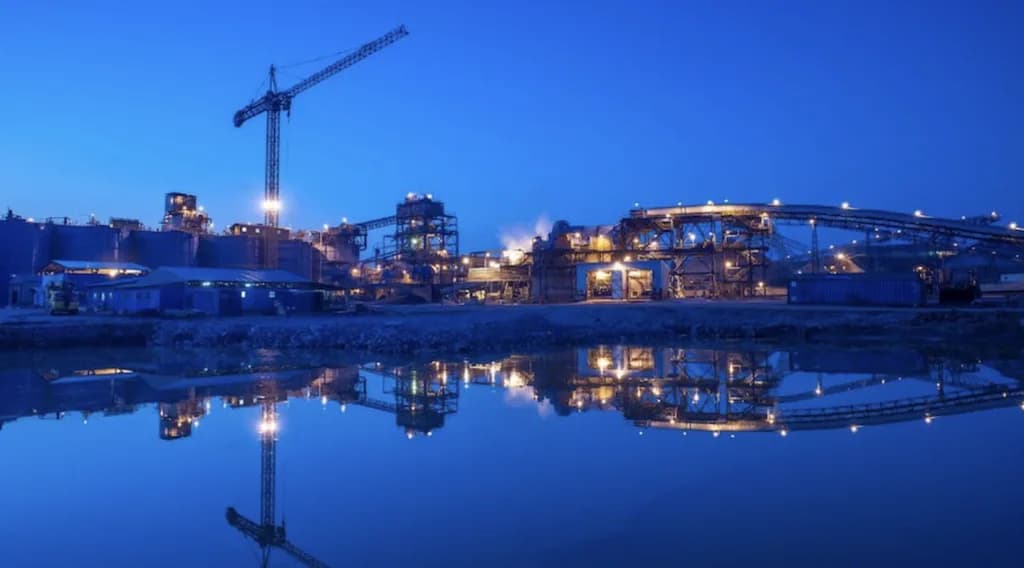
Image by Barrick gold
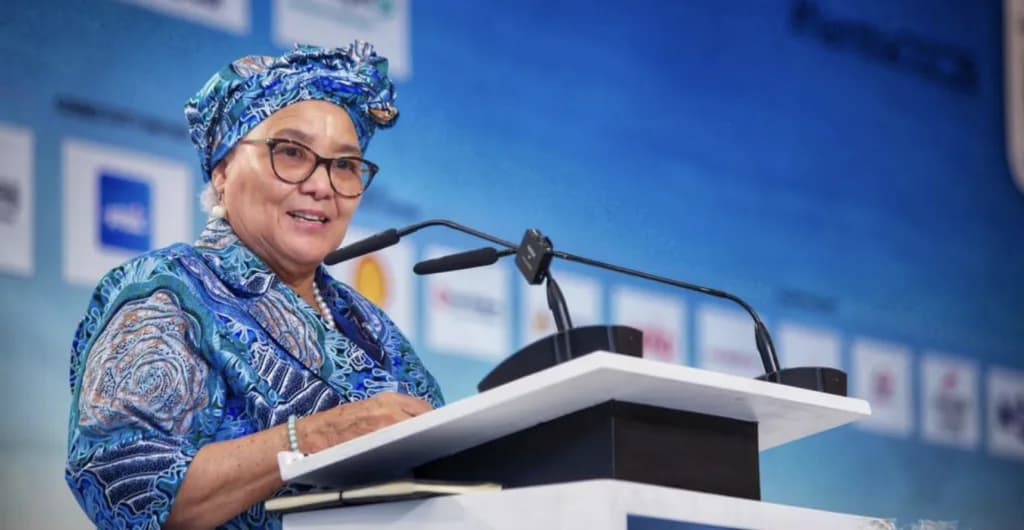
In a move that could reshape Mali’s mining landscape, the government has placed Barrick Gold Corporation’s Loulo-Gounkoto gold complex under state control. This assertion of national sovereignty occurs amid longstanding disputes over tax obligations, local content laws, and increasing resource nationalism across West Africa. The transitional government’s appointment of former health minister Dr. Marie Diallo as mine administrator has sparked debate about political appointments in highly technical and strategic sectors.
State Control: Risks and Opportunities
The Loulo-Gounkoto complex has long been vital to Mali’s mining economy, contributing significant employment, foreign exchange, and export earnings. The government views this takeover as a step towards greater national benefit from natural resources and economic self-determination. However, history shows that sudden nationalizations often lead to operational disruptions, legal battles, and loss of investor confidence especially where state institutions lack technical and financial capacity to manage such complex operations.Read more here
Mali faces a difficult balance. On one side, this move could promote increased local participation in mining value chains; on the other, it risks violating bilateral investment treaties, possibly leading to sanctions. Barrick has already hinted at potential legal challenges, intensifying pressure on state managers to prove their competence and legitimacy.
Implications for Local SMMEs
For Small, Medium, and Micro Enterprises (SMMEs) in Mali, nationalization offers both promise and uncertainty. Governments tend to favor local procurement, which could boost Malian SMMEs providing services like catering, logistics, transport, environmental monitoring tech, and maintenance. This shift might unlock new contracts and capacity-building initiatives previously dominated by multinationals.
Yet risks abound. Politically driven management transitions often lead to payment delays, contract renegotiations, and inconsistent supplier policies. SMMEs, typically operating on narrow margins, are especially vulnerable. Additionally, prioritizing political ties over business competence risks corruption and favoritism, potentially sidelining qualified local firms.
ESG Concerns and Governance
This shift also carries major implications for Environmental, Social, and Governance (ESG) standards, increasingly crucial to investors and stakeholders globally. Under Barrick, Loulo-Gounkoto adhered to international ESG benchmarks, including rigorous environmental reporting, community development programs, and responsible labor practices.
Now, there are fears that Mali’s public administration may struggle to maintain these standards without sufficient resources or technical expertise to monitor emissions, manage waste, or ensure worker safety. Appointing a non-mining professional as administrator could weaken governance and erode confidence in Mali’s commitment to responsible resource management. However, there is potential for more inclusive community engagement if mine revenues are effectively channeled into local development.
Mali thus stands at a crossroads offering a chance to lead in socially inclusive mining while risking regression in environmental and governance standards.
Effects on Mining Technology Companies
The changes will impact the mining technology ecosystem locally and internationally.
Local Tech Startups: A local-content-first approach might open doors for domestic mining tech providers offering drone surveys, portable water testing, and IoT safety tools. Startups focused on sustainable practices such as remote sensing or solar-powered field equipment could also find demand aligned with ESG priorities provided procurement processes remain transparent and timely.
International Firms: Global mining tech giants like Hexagon Mining, ABB, Sandvik, and MineSense face a more uncertain environment. These firms require operational stability and legal clarity; political upheaval and possible contract renegotiations may prompt them to pause or reduce involvement. Partnerships backed by international agencies might be necessary to mitigate risks. If Mali fails to uphold ESG commitments, compliance-bound companies could withdraw support.
Is a Former Health Minister the Right Choice?
Dr. Marie Diallo’s appointment has sparked debate. Supporters cite her leadership during Mali’s COVID-19 crisis as evidence of strong administrative skills. Critics warn that managing a large mine demands expertise in geology, logistics, finance, and commodity markets. Without technical knowledge at hand, there is concern over operational efficiency, safety, and regulatory compliance. Success will depend on whether she can assemble a skilled advisory and technical team to maintain international standards.
Barrick’s loss of control over Loulo-Gounkoto marks a pivotal shift in Mali’s resource governance. While nationalization may empower local businesses and increase national benefits, it brings significant risks particularly regarding ESG credibility and technical capacity. The mine’s future, and Mali’s mining reputation, will hinge on the government’s ability to manage the transition transparently and professionally with a commitment to sustainable development.