Ivanhoe Mines: Seismic Event Disrupting DRC Copper Mine May have Been Self-Induced
In a development that has sent ripples across the global copper market, Ivanhoe Mines reported that seismic activity disrupting production at its leading copper mine in the Democratic Republic of Congo (DRC) may have been self-induced. The company released preliminary findings earlier this week, highlighting the increasingly complex challenges facing large-scale mineral extraction in geologically
Ivanhoe Mines: Seismic Event Disrupting DRC Copper Mine May have Been Self-Induced
In a development that has sent ripples across the global copper market, Ivanhoe Mines reported that seismic activity disrupting production at its leading copper mine in the Democratic Republic of Congo (DRC) may have been self-induced. The company released preliminary findings earlier this week, highlighting the increasingly complex challenges facing large-scale mineral extraction in geologically sensitive zones.
Disruption at the Kamoa-Kakula Complex
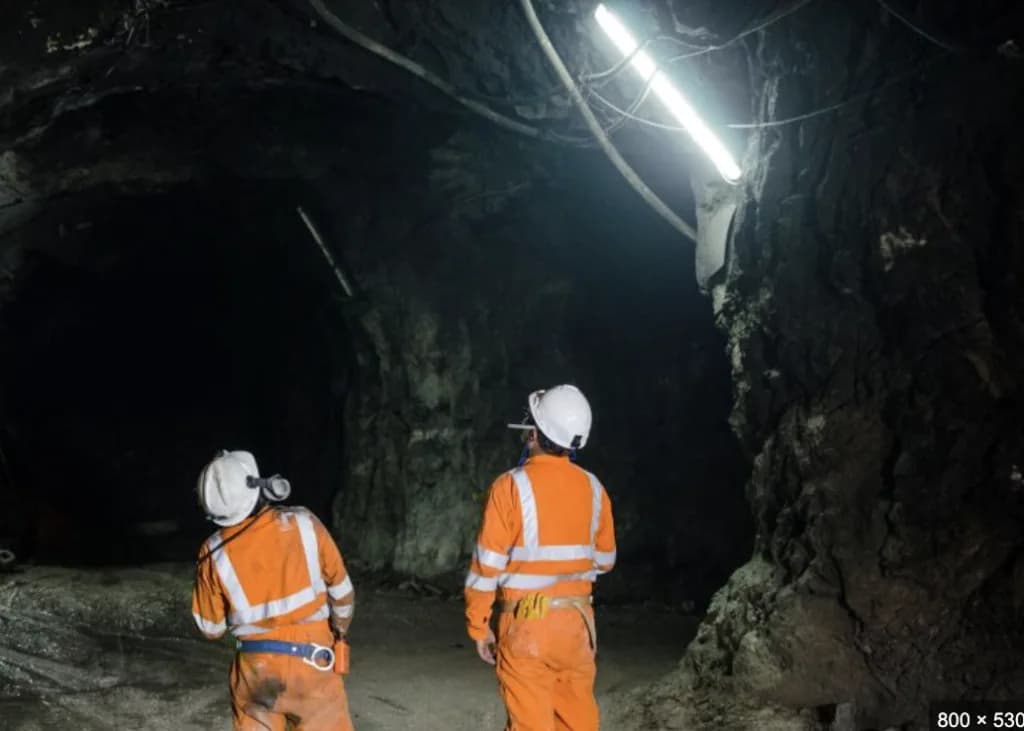
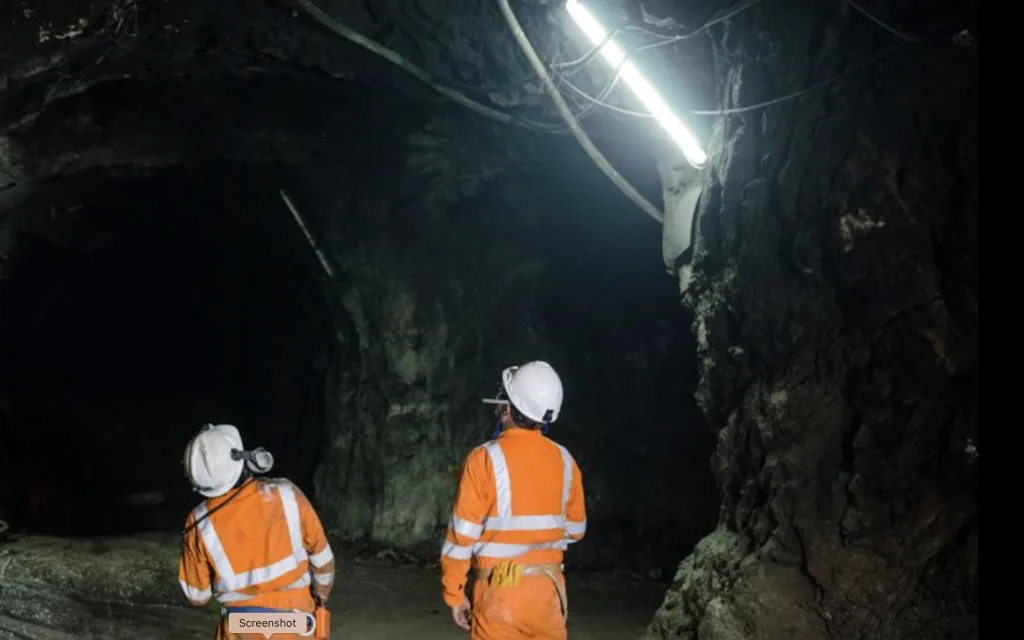
The seismic event struck the Kamoa-Kakula copper complex, one of the world’s largest and most technologically advanced copper mining operations. Initially believed to be a natural geological occurrence, the tremor led to a temporary halt in underground operations while teams assessed damage and conducted safety inspections.
No injuries occurred, but the disruption reduced output at a time when copper prices remain high due to growing demand in clean energy and infrastructure sectors.
Preliminary Findings Point to Mining Operations
Ivanhoe Mines explained that early analysis shows the event likely did not stem from a tectonic shift or regional fault line. Instead, underground mining activities may have caused the tremor. “Initial geotechnical data indicates the seismic activity was most likely self-induced, resulting from localized stress redistribution within the rock mass,” the company stated.
Induced seismicity often results when mining alters pressure balances deep underground. Activities such as rapid excavation, large-scale blasting, or stress concentration near underground voids can trigger such events.
Strengthening Safety Measures and Monitoring
Ivanhoe Mines launched a full investigation in collaboration with independent geotechnical experts. In response, the company enhanced underground monitoring systems and increased the frequency of stress mapping in key zones.
“The safety of our workforce is our highest priority. We are reviewing all mine plans and reinforcement strategies to ensure structural integrity,” said the Executive Vice President of Operations. Production resumed in unaffected zones, while inspections continue in impacted areas.
Kamoa-Kakula already uses advanced technologies including:
- 3D geotechnical modeling to simulate stress distribution,
- Automated seismic sensors for continuous underground feedback, and
- Remote monitoring dashboards accessible by surface teams and geotechnical experts.
This raises a critical question: Are these advanced technologies enough to ensure worker safety? While they offer a strong foundation, the true test lies in how consistently workers return home safely and in a company’s willingness to slow or halt operations when risks arise. These tools only succeed when used responsibly, with employee well-being prioritized over profits.Read more here
Broader Implications for Copper Mining
This incident has broader implications for the global copper industry, especially as deeper mining efforts grow more hazardous. With demand for copper expected to double in the next two decades due to the green energy transition, companies must adopt safer, more sustainable extraction practices.
Experts say the event may prompt mining operators to reassess their geotechnical risk protocols particularly in high-stakes projects like Kamoa-Kakula, jointly owned by Ivanhoe Mines, Zijin Mining, and the DRC government.
A Call for Operational Vigilance
Although output losses seem manageable in the short term, the incident stands as a cautionary signal for global mining operations. As projects become more technically demanding, maintaining a balance between productivity, safety, and environmental care will require constant innovation and vigilance. For the men and women who make extraction possible, safety must remain the top priority especially as demand surges for critical minerals powering the green transition.