IMF Assessing Impact of African Drought, Pledges Support Amid Emergencies
The International Monetary Fund (IMF) has announced its commitment to assessing the ramifications of a severe drought sweeping across Africa, while concurrently strategizing ways to extend assistance to the affected nations. This declaration arrives in tandem with the proclamation of national emergencies by several African countries in response to the dire drought conditions. In a
IMF Assessing Impact of African Drought, Pledges Support Amid Emergencies
The International Monetary Fund (IMF) has announced its commitment to assessing the ramifications of a severe drought sweeping across Africa, while concurrently strategizing ways to extend assistance to the affected nations. This declaration arrives in tandem with the proclamation of national emergencies by several African countries in response to the dire drought conditions.
In a press conference held on Thursday, Julie Kozack, the Communications Director of the International Monetary Fund (IMF), underscored the organization’s recognition of the escalating frequency of climate-related shocks worldwide over the past years and decades. She emphasized the disproportionate impact felt by Africa, particularly evident in the ongoing drought crises unfolding in countries such as Zimbabwe, Malawi, and Zambia.
The severity of the situation is palpable, with East Africa confronting its most severe drought in four decades, affecting over 29 million individuals. The repercussions of this environmental catastrophe extend far beyond mere water scarcity, encompassing mass population displacement, malnutrition, food insecurity, and the heightened risk of disease outbreaks such as Cholera.
Somalia stands as a poignant example, where approximately 1.4 million people have been displaced as a direct consequence of the drought’s ravages. Similarly, Zambia’s President Hakainde Hichilema declared a national disaster and emergency in March, attributing the devastation of food production and electricity supply to the relentless grip of drought.
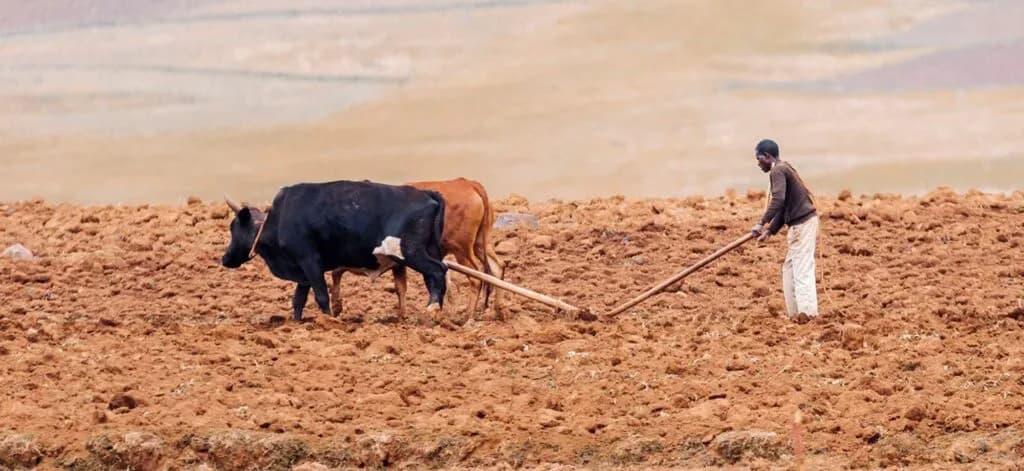
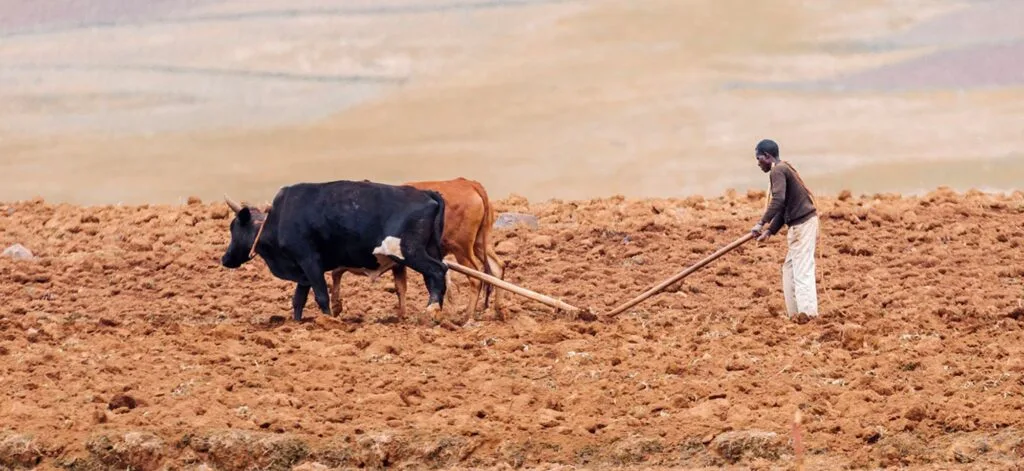
Drought, characterized by a dearth of rainfall leading to acute water shortages, represents a formidable challenge with far-reaching socio-economic implications.
As the affected nations grapple with the multifaceted fallout of the drought, the IMF asserts its commitment to analysing the crisis’s impact comprehensively and formulating tailored support mechanisms. This proactive stance underscores the IMF’s dedication to fostering resilience and stability in regions confronting the adverse effects of climate change.
As the spectre of climate-induced disasters looms large, collaborative efforts among international organizations, governments, and local communities are imperative to mitigate the immediate consequences and build long-term resilience against future climatic uncertainties. The IMF’s pledge to provide support serves as a beacon of hope amid the turbulent climate landscape, signalling a collective resolve to confront and overcome the challenges posed by environmental adversity.