Can AI Skills Change Career Prospects for Women in Africa's Mining Industry?
I know I've already touched on this, but I feel it's worth revisiting. There seems to be an assumption that once women complete an AI or digital mining course, the rest takes care of itself. I'm not convinced it's that simple. Training opportunities have certainly grown, particularly through micro-credentials, making digital skills more accessible than
Can AI Skills Change Career Prospects for Women in Africa's Mining Industry?
I know I’ve already touched on this, but I feel it’s worth revisiting. There seems to be an assumption that once women complete an AI or digital mining course, the rest takes care of itself. I’m not convinced it’s that simple. Training opportunities have certainly grown, particularly through micro-credentials, making digital skills more accessible than they were just a few years ago. But training alone does not automatically translate into technical careers. That raises an important question: Is Africa’s mining industry ready for AI-skilled women?
Micro-credentials have become one of the fastest ways for women to develop skills in areas such as data analytics, AI fundamentals, IoT monitoring and automated systems. They offer a practical option for professionals who cannot step away from work for several years to pursue formal qualifications. As more universities, technology companies and industry organisations expand these programmes, more women are gaining access to specialised digital mining skills.
This is where I think the real issue lies. The industry has made it easier to gain digital skills. Whether those skills lead to meaningful technical careers is a different question. Earning a certificate and building a career are not the same thing. The real test begins when women start applying for technical roles, seeking promotions or trying to move into AI-focused positions within mining companies. That is where the value of these qualifications is ultimately tested.
The Promise of Micro-Credentials
As mining companies adopt more automation, AI and connected technologies, they also need people with the skills to work alongside those systems. Waiting several years for new graduates is not always practical, which is one reason shorter, skills-focused programmes have become more common across the industry.
That demand has encouraged universities, technology companies, private training providers and organisations such as Women in Mining Africa (WiM-Africa) to expand digital mining training. More women can now access courses in AI, automation, data analytics and digital systems, giving them opportunities to build skills that mining companies increasingly value.
What Happens After the Training?
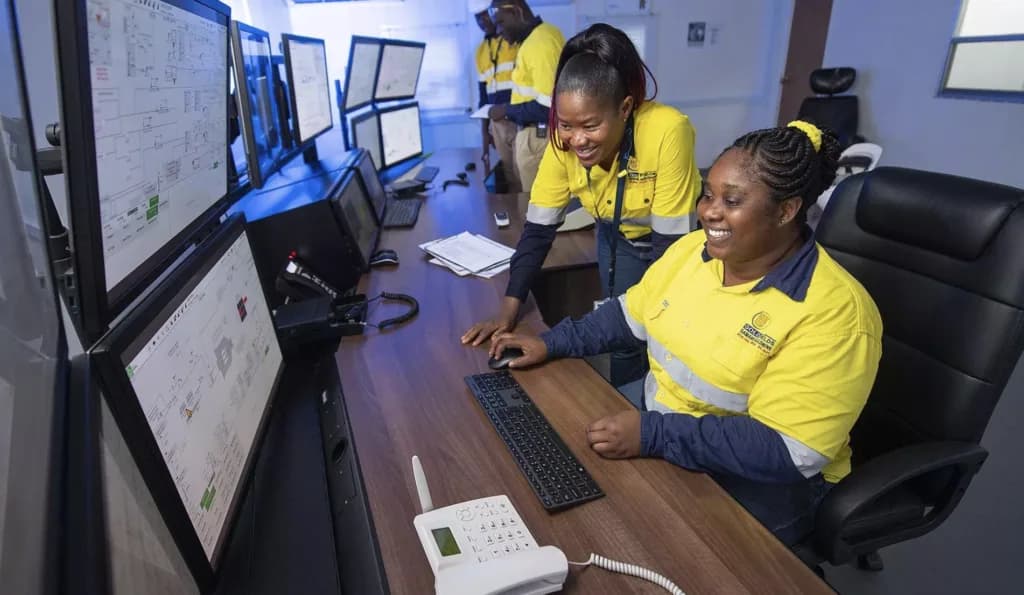
The number of women gaining digital and technical skills is growing, but women remain underrepresented in technical and operational mining roles across Africa. As mining companies continue investing in automation, AI and data-driven operations, an equally important question is whether technical career opportunities are expanding alongside the growing pool of qualified women.
That question has come up repeatedly in conversations I’ve had with women working in mining. Completing a course or earning another qualification does not necessarily change how quickly someone progresses into technical roles. For many, the challenge is no longer gaining the skills. It is finding opportunities to apply them, build experience and take on more technical responsibilities.
It’s also important to keep micro-credentials in perspective. They provide practical skills and can help women move into digital mining roles, but they are not designed to replace years of technical or operational experience. Leading AI initiatives, designing complex digital systems and managing enterprise-wide automation usually require deeper technical knowledge developed over time. That does not reduce the value of micro-credentials. It simply recognises that some technical and leadership roles demand practical experience alongside formal training.
The Bigger Question
So, has training kept pace with where the mining industry is heading? I don’t think the answer is a straightforward yes or no. There are certainly more opportunities today than there were five years ago. Women can now access AI, automation, data analytics and digital mining courses that were difficult to find only a few years ago.
The next test is whether the industry is keeping pace as well. Developing technical skills is important. So is creating opportunities for women to apply those skills, gain experience and move into more advanced technical roles. Without those opportunities, the industry risks building a larger pool of qualified women without creating enough technical roles for them to grow into.
Those are the questions that matter. If the industry wants more women working in AI and digital mining, success cannot be measured only by the number of people trained. It should also be measured by how many women build long-term technical careers, continue developing their expertise and progress into leadership roles that help shape the future of Africa’s mining industry.
Read more about women in African Mining HERE